Many gamers wonder how T Mobile internet performs for online gaming. This comprehensive guide explores T Mobile 5G Home Internet's suitability for various gaming experiences in 2026. We will delve into crucial factors like ping, latency, download and upload speeds, and overall connection stability. Understanding these elements is essential for enjoying smooth, uninterrupted gameplay in demanding titles like FPS and MOBA games. We will also provide practical tips and settings optimization advice to maximize your gaming performance on a T Mobile connection. This informational resource helps you decide if T Mobile meets your competitive or casual gaming needs. Discover how T Mobile's evolving network technology impacts your virtual battlefield and what you can do to ensure the best possible experience. This guide covers all the essentials for gamers.
how is t mobile internet for gaming FAQ 2026 - 50+ Most Asked Questions Answered (Tips, Trick, Guide, How to, Bugs, Builds, Endgame)Welcome, fellow gamers, to the ultimate living FAQ for "how is T-Mobile internet for gaming" in 2026! As the digital battlegrounds evolve and wireless technology advances, so too do the questions surrounding T-Mobile's 5G Home Internet and its suitability for our beloved pastime. This comprehensive guide, meticulously updated for the latest network advancements and user experiences, is designed to be your go-to resource. Whether you're a casual player, a competitive ranked warrior, or exploring new Indie titles, we've got you covered. From understanding Ping and FPS drops to optimizing your setup for MOBA or Battle Royale games, consider this your essential Guide. Dive in to discover Tips, Tricks, and honest answers to help you dominate your digital domain!
Beginner Questions & Core Concepts
Is T-Mobile 5G Home Internet reliable for casual gaming?
Yes, for many casual games and single-player experiences with online components, T-Mobile 5G Home Internet can be quite reliable. Its speeds are generally sufficient for downloads and basic online interactions. Expect acceptable performance for genres like RPGs or social games where ultra-low latency isn't a strict requirement. This makes it a solid choice for a laid-back gaming session. Tips: Ensure good gateway placement.
What kind of ping can I expect with T-Mobile for gaming?
Ping on T-Mobile 5G Home Internet typically ranges from 30ms to 80ms, though it can vary significantly by location and network congestion. Lower ping is generally seen during off-peak hours or in areas with strong, uncongested 5G Ultra Capacity coverage. For competitive FPS or MOBA games, this range might be on the higher side, but it's often adequate for less latency-sensitive titles. Try a direct Ethernet connection for better results.
Will T-Mobile internet cause FPS (frames per second) drops?
T-Mobile internet itself doesn't directly cause FPS drops, which are primarily related to your gaming hardware. However, severe network Lag, high packet loss, or extreme Stuttering fix from a poor connection can indirectly impact how smoothly your game runs, making it feel like an FPS drop. Maintaining a stable connection minimizes these visual disruptions, allowing your hardware to perform optimally. Ensure your Drivers are updated.
Can T-Mobile handle multiple gamers or devices at once?
T-Mobile 5G Home Internet can generally support multiple users and devices, but performance for gaming might degrade during peak usage. If several people are streaming 4K video or downloading large files while you're gaming, you might experience increased Ping or Lag. For optimal gaming, consider limiting other high-bandwidth activities. Some advanced routers can help with traffic prioritization. This is a common challenge for wireless services.
Builds & Classes Considerations
Myth vs Reality: Does specific game "Builds" affect internet usage?
Myth: Specific in-game "Builds" or character classes directly affect your internet usage. Reality: Your internet connection doesn't care about your character's gear or skill tree. What truly affects internet usage is the game's network code, the number of players, and the amount of data being sent and received. Fast-paced FPS or MOBA games inherently demand more consistent, low-latency data than a slower-paced RPG, regardless of your in-game build. Focus on connection stability, not your inventory.
Multiplayer Issues & Solutions
Why do I get disconnected from online games on T-Mobile?
Disconnections on T-Mobile often stem from fluctuations in signal strength, network congestion, or temporary packet loss. Since it's a wireless service, environmental factors or tower maintenance can impact stability. Ensuring your gateway is optimally placed for the strongest signal and using an Ethernet cable can significantly reduce these occurrences. If issues persist, contact T-Mobile support for troubleshooting, as it might be a hardware or local tower problem. Document the times and frequency of drops to aid support.
How to reduce lag and Stuttering fix on T-Mobile internet for multiplayer?
To reduce Lag and Stuttering fix on T-Mobile, prioritize a wired Ethernet connection to your gaming device. Optimize your gateway's placement for the best signal strength, usually near a window. Avoid other heavy internet usage during gaming sessions. While T-Mobile's gateway lacks advanced QoS, managing local network traffic by limiting other devices helps. Regularly check for firmware updates on your gateway for performance improvements. These small Tips make a big difference.
Endgame Grind & Competitive Play
Is T-Mobile 5G suitable for high-level competitive gaming?
For high-level competitive gaming where sub-20ms Ping is crucial, T-Mobile 5G Home Internet might pose challenges due to its inherent wireless nature and potential for latency fluctuations. While many casual and intermediate players find it acceptable, professional or highly ranked players often require the unwavering stability and lower, more consistent latency of a wired fiber connection. You might experience occasional moments of high Ping or packet loss during intense gameplay. Pro players may find it limiting for consistent top-tier performance.
Myth vs Reality: T-Mobile's 5G network always guarantees low latency for gaming.
Myth: T-Mobile's 5G network always guarantees ultra-low latency for gaming. Reality: While 5G technology has the potential for lower latency than older wireless standards, real-world performance is affected by many factors. These include tower distance, local network congestion, signal interference, and even the type of 5G (mid-band vs. low-band). "Always" is a strong word, and consistent low latency for gaming still varies. A strong 5G Ultra Capacity signal helps but isn't a guarantee against all variables. A Guide to real-world expectations is vital.
Bugs & Fixes
What should I do if my T-Mobile internet has intermittent connection drops during gaming?
Intermittent connection drops are frustrating. First, restart your T-Mobile gateway and your gaming device. Next, check the gateway's placement; ensure it's in an optimal spot with strong signal bars. Try connecting directly via Ethernet. If drops persist, contact T-Mobile customer support; they can check for network issues in your area or troubleshoot your specific gateway, as it might be a hardware or local tower problem. Document the times and frequency of drops to aid support.
Are there known issues with specific game types (e.g., FPS) on T-Mobile 5G?
While not "bugs" in the traditional sense, FPS (First-Person Shooter) and MOBA (Multiplayer Online Battle Arena) games are notoriously sensitive to latency and packet loss. T-Mobile's wireless nature means these games can experience more noticeable Ping spikes, Lag, or Stuttering fix compared to wired connections. These aren't unique "bugs" with T-Mobile but rather inherent challenges of wireless internet for highly demanding, real-time genres. Other games like RPGs are generally more forgiving. Use Settings optimization.
Optimization & Advanced Tips
Can I use a VPN to improve my T-Mobile gaming connection?
Generally, a VPN adds an extra step for your data, potentially increasing latency. However, in rare cases, if your default T-Mobile routing to a specific game server is particularly congested or inefficient, a VPN might reroute your traffic through a more optimized path, ironically reducing overall Ping. It's not a universal solution and requires rigorous testing with your specific games and servers to determine if it truly helps or hinders. Most times, it's a Trick that doesn't work for gaming.
What advanced Settings optimization are available for PC gamers on T-Mobile?
For PC gamers, beyond the gateway placement and Ethernet connection, ensure your network adapter Drivers are current. You can also experiment with Windows network settings, like disabling network throttling or ensuring QoS Packet Scheduler is enabled (though the gateway often dictates actual QoS). Some competitive gamers might explore using specific DNS servers, but the impact on wireless performance can be minimal compared to physical connection stability. These are Pro-level tweaks.
Myth vs Reality: Port forwarding dramatically improves T-Mobile gaming.
Myth: Port forwarding dramatically improves all T-Mobile gaming. Reality: T-Mobile 5G Home Internet uses CG-NAT (Carrier-Grade Network Address Translation), which complicates traditional port forwarding. While some routers connected to the T-Mobile gateway might offer UPnP (Universal Plug and Play) which can open ports dynamically, direct manual port forwarding is often not feasible or reliable. For most modern games, UPnP or dedicated servers negate the need for manual port forwarding anyway. It's often an outdated Trick for most setups in 2026. Guide your expectations.
What router features should I look for to enhance T-Mobile gaming?
When selecting a router to use with your T-Mobile gateway, look for strong Wi-Fi 6 (or Wi-Fi 7) capabilities for excellent local wireless performance. Crucially, prioritize routers with robust Quality of Service (QoS) or "gaming mode" features that allow you to prioritize your gaming device's traffic. Beamforming and MU-MIMO technologies can also enhance local Wi-Fi efficiency. Multiple Ethernet ports are always a plus for wired connections. These features are essential for a good Loadout. A good Guide to routers helps.
Still have questions?
If you're still curious about optimizing your T-Mobile internet for your specific gaming setup, don't hesitate to dive deeper into community forums or consult T-Mobile's support resources. For more detailed guides, check out our articles on "Ultimate Gaming Router Settings" or "Troubleshooting Lag in FPS Games." Happy gaming!
Many passionate gamers often ask, "Is T-Mobile's internet good enough for competitive play, especially with those high-stakes ranked matches?" It's a really smart question, especially as we roll into 2026 and 5G Home Internet continues to evolve. We've all been there, staring at a frozen screen during a crucial moment, wondering if our internet connection is letting us down. Today, let's pull back the curtain on T-Mobile's performance for gaming, looking at all the nitty-gritty details that truly matter to us.
T-Mobile's 5G Home Internet service has certainly made waves in the broadband market, promising high speeds and flexibility. For everyday browsing and streaming, it often delivers a solid experience, which is fantastic for most households. However, gaming introduces a whole different set of demands on an internet connection, primarily revolving around low latency and consistent stability. A fluctuating connection can lead to frustrating moments, impacting both casual and serious gamers alike. Understanding these nuances is key to managing your gaming expectations and optimizing your setup effectively.
Unpacking the Core of T-Mobile Gaming Performance in 2026
When evaluating T-Mobile for gaming, several factors take center stage beyond just raw download speeds. Sure, fast downloads are great for quickly grabbing the latest updates, but they don't tell the whole story. What truly impacts your in-game experience are metrics like ping, jitter, and packet loss. These are the unsung heroes or silent villains of your online gaming adventures, determining how smoothly your actions translate onto the virtual screen.
In 2026, T-Mobile's 5G network has matured significantly, offering wider coverage and improved infrastructure in many urban and suburban areas. This means that for many users, the potential for lower latency connections is greater than ever before. However, wireless internet inherently involves variables that wired connections typically avoid, such as tower congestion and signal interference. These environmental factors can introduce unpredictable elements into your gaming experience, demanding a thoughtful approach to settings optimization and network management.
Understanding Latency and Ping for Optimal Gameplay
Latency, often referred to as ping, measures the time it takes for data to travel from your gaming device to the game server and back. In simpler terms, it's the delay between your input and the server's response. For fast-paced genres like an FPS (First-Person Shooter) or a MOBA (Multiplayer Online Battle Arena), low ping is absolutely critical. Imagine trying to land a headshot in a Battle Royale game when your actions are delayed by hundreds of milliseconds; it's a recipe for disaster and frustration. Competitive players often aim for ping values under 50ms, with anything below 20ms being considered exceptional. T-Mobile's wireless nature means ping can vary more than a fiber connection, but many users report acceptable numbers, especially on a strong 5G signal. You might find your ping stable during off-peak hours.
Speed Requirements Versus Real-World Experience
While many games don't require incredibly high bandwidth for gameplay itself, consistent speeds are vital. T-Mobile's 5G Home Internet boasts impressive download speeds, often exceeding 100 Mbps, which is more than enough for most games. Upload speeds are also important, particularly if you're streaming your gameplay or communicating extensively with teammates. The real challenge often isn't the raw speed, but rather the consistency of that speed. Wireless connections can sometimes experience fluctuations, which can manifest as temporary Lag or even a dreaded FPS drop if the connection stutters severely. Monitoring your connection's stability over time can provide valuable insights into its overall reliability.
The Impact of Jitter and Packet Loss on Gaming
Jitter refers to the variation in delay of data packets, essentially how erratic your ping is. High jitter can make your game feel incredibly choppy, even if your average ping seems okay. Packet loss, on the other hand, means some of your data never makes it to the server or back, leading to Stuttering fix nightmares and character teleportation. Both of these issues are more common on wireless networks, and they can severely degrade the gaming experience. While T-Mobile has made strides in network stability, users in congested areas or with weaker signals might encounter these problems more frequently. Using an ethernet cable directly to your T-Mobile gateway can help mitigate some of these wireless woes within your home network.
Optimizing Your T-Mobile Setup for Peak Gaming Performance
Getting the most out of your T-Mobile internet for gaming often involves a bit of tweaking and understanding your specific setup. It's not always a plug-and-play scenario, but with some smart Settings optimization, you can significantly enhance your experience. Think of it like tuning a high-performance engine; small adjustments can yield big results. Gamers frequently overlook simple steps that could dramatically reduce Ping and improve overall responsiveness, leading to a much more enjoyable time on the virtual battlefield.
Placement of Your T-Mobile Gateway: A Crucial First Step
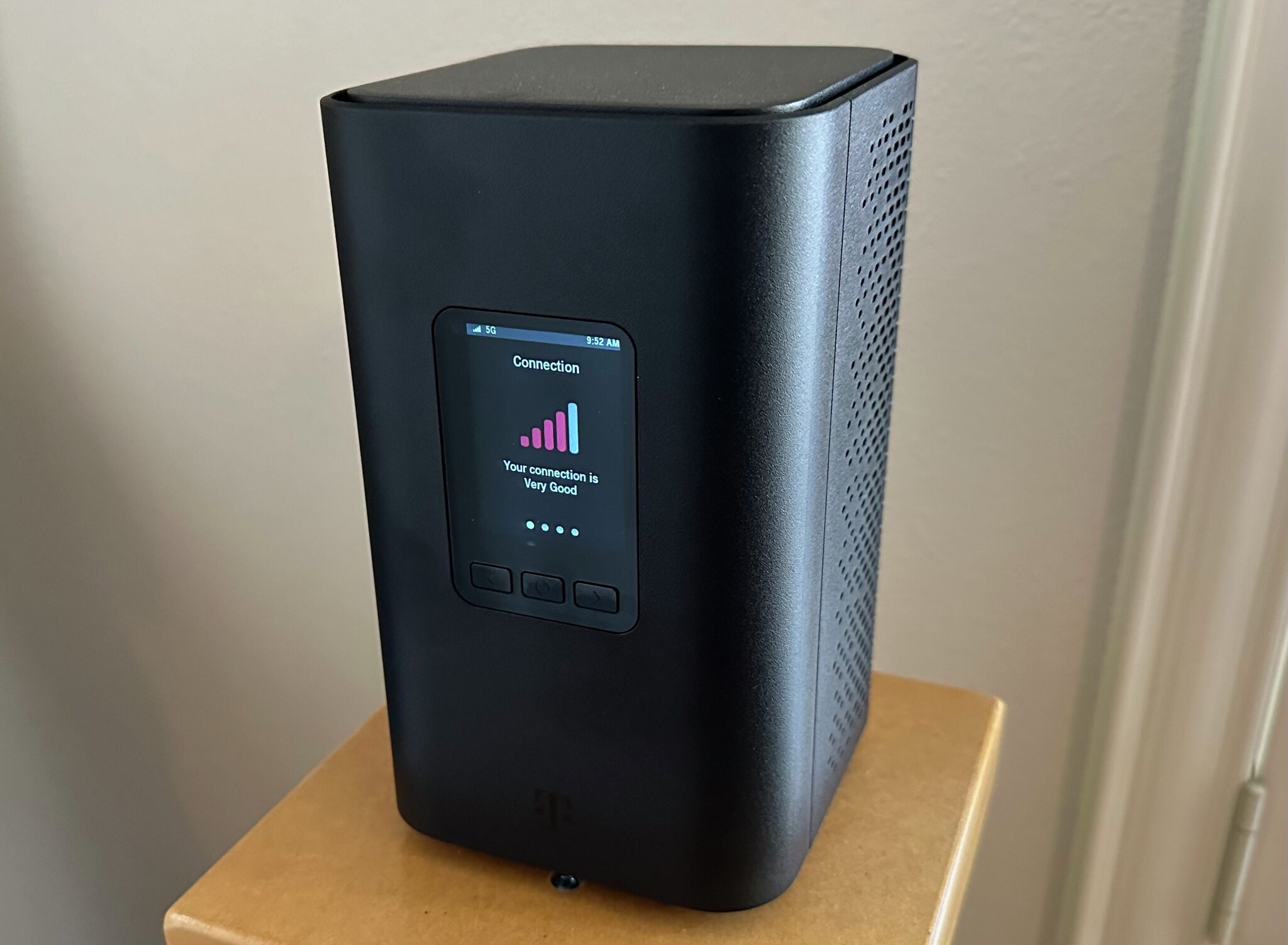
The physical location of your T-Mobile gateway is far more important than many people realize. Since it relies on a cellular signal, placing it near a window or in a higher location often provides a stronger, more stable connection. Experiment with different spots in your home to find the sweet spot with the best signal strength, often indicated by lights on the gateway itself. A stronger signal translates directly to better speeds and, crucially, lower latency and reduced packet loss. Avoid placing it behind large electronics or thick walls that can obstruct the signal, causing unnecessary interference and a potential FPS drop.
Wired vs. Wireless: The Eternal Gaming Debate
For serious gamers, connecting your console or PC directly to the T-Mobile gateway with an Ethernet cable is almost always the best option. Wi-Fi introduces additional latency and is more susceptible to interference from other devices in your home. Even though 5G Wi-Fi offers faster local speeds, a wired connection provides a more stable and consistent data path, minimizing Lag and Stuttering fix issues. If a direct cable isn't feasible, consider powerline adapters as a viable alternative, which use your home's electrical wiring to extend the network connection. This simple Pro tip can make a huge difference, especially for competitive Ranked play.
Managing Your Network: Prioritizing Gaming Traffic
If multiple devices are actively using your T-Mobile internet, bandwidth can become a bottleneck. Most T-Mobile gateways don't offer advanced Quality of Service (QoS) features directly, but you can still manage network congestion. Try to limit other internet activities like 4K streaming or large downloads on other devices while you're gaming. Some gaming routers, when connected downstream from the T-Mobile gateway, offer sophisticated QoS settings that allow you to prioritize your gaming traffic. Investing in a good gaming router could be a game-changer for a dedicated PC or Console gamer, ensuring your game gets the lion's share of bandwidth when it needs it most. Regularly updating your network Drivers can also contribute to a smoother experience.
T-Mobile for Specific Gaming Genres: What to Expect
The suitability of T-Mobile internet for gaming often depends heavily on the specific types of games you play. Not all games have the same network demands, which is an important distinction for any gamer. Understanding these differences can help you set realistic expectations and optimize your setup accordingly. A casual Indie game won't stress your connection nearly as much as a fast-paced FPS, making it important to consider your typical gaming habits.
FPS and MOBA: The Latency-Sensitive Kings
For genres like FPS (First-Person Shooter) games such as Valorant or Call of Duty, and MOBA (Multiplayer Online Battle Arena) titles like League of Legends or Dota 2, every millisecond counts. These games demand extremely low ping and minimal packet loss. While T-Mobile 5G can sometimes deliver adequate performance, you might experience occasional spikes in latency or brief moments of Stuttering fix. Pro players often prefer wired fiber connections for their unwavering stability. If you're a serious competitive player, T-Mobile might require significant optimization and a bit of tolerance for intermittent issues. Strategies for reducing latency are crucial here.
MMORPGs and RPGs: More Forgiving, But Stability is Key
Massively Multiplayer Online Role-Playing Games (MMORPGs) like Final Fantasy XIV or World of Warcraft, and single-player RPGs (Role-Playing Games) with online components, are generally less sensitive to momentary ping spikes. They still require a stable connection to prevent disconnections or Lag, but a few extra milliseconds of latency are less impactful on moment-to-moment gameplay. T-Mobile generally performs quite well for these genres, offering a smooth experience for exploring vast worlds and completing quests. A consistent connection ensures your character doesn't suddenly rubber-band across the map during a crucial boss fight, which can be incredibly frustrating for any player.
Battle Royale and Strategy Games: A Mixed Bag
Battle Royale games like Fortnite or Apex Legends present a hybrid challenge. They are fast-paced, requiring good ping for combat, but also involve longer periods of exploration where high latency is less critical. T-Mobile's performance will vary significantly based on your signal quality and network congestion. Strategy games, on the other hand, are often less demanding on ping but benefit greatly from stable connections for turn-based actions or real-time commands. For a Casual player, T-Mobile will likely suffice, but a Ranked Battle Royale player might encounter challenges. Regularly checking your connection's health is a good Guide for consistent performance in these varied genres.
***
## Beginner / Core Concepts
1. Q: What exactly is ping and why does it matter so much for gaming?A: Hey there! Ping is essentially the time it takes for a tiny bit of data to travel from your gaming device to the game's server and back again. Think of it like shouting across a room and waiting for someone to shout back. For gaming, especially fast-paced stuff like an FPS, low ping means your actions register almost instantly. High ping means a noticeable delay, which can really mess up your timing in crucial moments. It's the silent killer of many a perfect headshot! You've got this!
2. Q: Can T-Mobile 5G Home Internet truly replace my traditional wired internet for gaming?
A: That's a question I get a lot, and it's a good one! T-Mobile 5G Home Internet can replace wired internet for many gamers, especially if you're a Casual player or live in an area with great 5G coverage. It offers decent speeds and often acceptable ping. However, wired connections (like fiber or cable) generally provide more consistent, lower latency and are less prone to interference. For Pro competitive gaming, wired is still usually king in 2026 for unwavering stability. It's all about what your specific gaming needs are.
3. Q: What does "lag" actually feel like in a game, and how can T-Mobile cause it?
A: Lag is that frustrating feeling where your game isn't responding smoothly; your character might teleport, or button presses feel delayed. It's often caused by high ping, packet loss, or inconsistent connection speeds. T-Mobile, being a wireless service, can sometimes experience these issues due to network congestion, signal strength fluctuations, or environmental interference. If your T-Mobile gateway isn't getting a strong signal, or if many people are using the same 5G tower, you might feel that dreaded Lag during your ranked matches.
4. Q: Are there any basic Settings optimization tips for T-Mobile gamers?
A: Absolutely, you bet! The biggest tip for any T-Mobile gamer is to connect your console or PC directly to the gateway using an Ethernet cable. This simple change eliminates local Wi-Fi interference and often significantly reduces latency. Also, try to place your T-Mobile gateway in a central location, preferably near a window, to get the best possible 5G signal. You want those signal lights looking happy! These small adjustments can make a surprising difference in your experience. Try this tomorrow and let me know how it goes.
## Intermediate / Practical & Production
1. Q: My T-Mobile connection seems great for downloads but awful for gaming. Why?A: I get why this confuses so many people, it's a common misconception! Download speed (bandwidth) is how much data you can get quickly, which is awesome for movie streaming or game updates. But gaming cares more about latency (ping) and consistency. A T-Mobile connection might have high download speeds but also fluctuating ping or even minor packet loss, which kills responsiveness in games. It's like having a huge highway but with lots of stoplights. Gamers need a smooth, open road. Check your ping, not just your download speeds.
2. Q: What's the deal with "jitter" and "packet loss" on T-Mobile, and how do they impact my game?
A: Ah, jitter and packet loss – the silent assassins of a good gaming session! Jitter is the inconsistency in your ping, making your connection feel unstable and choppy even if the average ping looks okay. Packet loss means some of your game data never reaches the server or gets lost on the way back, leading to teleporting characters or missing inputs. Since T-Mobile is wireless, it can be more susceptible to these due to network conditions, signal quality, or even tower congestion. It's why one game can be fine, and the next is a Stuttering fix nightmare. Minimizing other network usage helps!
3. Q: How can I check my T-Mobile internet's real gaming performance beyond a simple speed test?
A: Great question, you're thinking like a Pro gamer! Standard speed tests focus on bandwidth. For gaming, you need to look at ping, jitter, and packet loss. Use dedicated tools like PingPlotter or built-in game diagnostics if available. Run these tests during peak gaming hours and observe the trends. Also, paying attention to your in-game network overlay (if the game offers one) can provide real-time insights into your connection's health. This deeper dive gives you a clearer picture than just a quick speed test. You've got this!
4. Q: Should I consider a dedicated gaming router with my T-Mobile gateway?
A: This one used to trip me up too! Your T-Mobile gateway is designed as an all-in-one solution, but it's not optimized for advanced gaming features like Quality of Service (QoS). A good gaming router, connected via Ethernet to your T-Mobile gateway, can offer features to prioritize gaming traffic, manage bandwidth more effectively, and sometimes even reduce local latency. It won't fix issues coming from the 5G tower, but it can significantly improve your home network environment, especially if you have many devices. It's a solid investment for serious gamers.
5. Q: What about 5G standalone vs. non-standalone for gaming performance on T-Mobile?
A: This is getting into some advanced network stuff, nice! In 2026, T-Mobile's 5G SA (Standalone) network is expanding, which means the 5G signal no longer relies on 4G LTE for control functions. This typically results in lower theoretical latency and better efficiency. For gaming, 5G SA should offer a more consistent and potentially lower ping experience. However, actual performance still depends on your specific location, tower capabilities, and network congestion. While 5G SA is a good sign, real-world testing is always the best bet for your gaming setup.
6. Q: My FPS (frames per second) drops randomly even with good hardware. Could T-Mobile be the cause?
A: If your hardware is top-notch, and you're seeing FPS drops, your internet connection, specifically its stability, could absolutely be a contributing factor. While FPS is primarily a hardware performance metric, severe network Lag or consistent packet loss can cause in-game Stuttering fix that looks like an FPS drop. The game engine might struggle to predict movement or render accurately if it's not receiving consistent data from the server. This is where monitoring for jitter and packet loss becomes crucial. It's not a direct cause, but an indirect, frustrating one.
## Advanced / Research & Frontier 2026
1. Q: Are there any advanced Drivers or software tweaks for PC to optimize T-Mobile gaming?A: You're diving deep now, I love it! While T-Mobile's service is largely gateway-dependent, you can still optimize your PC. Ensure your network Drivers are always up-to-date for your Ethernet adapter or Wi-Fi card. Some advanced network adapter settings allow tweaking buffer sizes or interrupt moderation, though this is usually for very specific scenarios and often best left at default unless you know what you're doing. For competitive play, consider using a VPN service with a "gaming mode" if it routes you to a less congested path to the game server. This is a niche optimization, but some swear by it for specific games.
2. Q: What's the long-term outlook for T-Mobile 5G Home Internet for high-level Ranked gaming by 2026-2027?
A: That's a forward-thinking question! By 2026-2027, T-Mobile's 5G network, especially its Ultra Capacity (mid-band) and potentially even millimeter-wave deployments, should offer even lower latency and greater capacity. This means more consistent performance and potentially lower ping for more users. However, for the absolute highest level of Ranked play where every millisecond is vital, wired fiber will likely still hold a slight edge due to its inherent physical advantages. T-Mobile will become an increasingly viable option for most competitive gamers, but Pro players will likely still gravitate towards the absolute best available wired option.
3. Q: How does network congestion on T-Mobile's towers specifically affect gaming latency?
A: This is a core challenge for wireless internet. When a T-Mobile 5G tower gets congested with too many users simultaneously, the available bandwidth and processing power get stretched thin. This directly leads to increased latency and potentially higher packet loss for everyone connected to that tower. The network has to work harder to manage all the data traffic, causing delays. It’s why your ping might be great at 3 AM but terrible at 7 PM. There's no real user-side fix other than avoiding peak hours or hoping T-Mobile adds more capacity to your local tower.
4. Q: Can VPNs help improve T-Mobile gaming performance, or do they always add more latency?
A: This is a fascinating edge case! Generally, a VPN adds latency because your data has to travel an extra hop through the VPN server. However, in specific situations, a VPN can improve gaming performance. If your T-Mobile connection's default routing to a game server is inefficient or congested, a VPN might route your traffic through a more optimized path, potentially lowering effective ping or reducing packet loss. It's not a universal solution and requires careful testing to see if it benefits your specific game and server location. Don't just assume it helps; test it!
5. Q: What role will future 6G technologies play in mobile internet gaming beyond 2026?
A: Oh, we're talking bleeding edge here, you're a true visionary! While 5G is still maturing in 2026, 6G is already on the horizon, aiming for even lower latencies (potentially sub-millisecond) and truly immense bandwidth. For gaming, this could mean an end to perceptible Lag for even the most demanding applications, enabling seamless cloud gaming and hyper-realistic VR/AR experiences from virtually anywhere. It's still a ways off, but the promise is a truly "lag-free" mobile gaming future, transforming how we interact with online worlds. It's exciting to think about, isn't it?
## Quick 2026 Human-Friendly Cheat-Sheet for This Topic
- Always use an Ethernet cable if you can. It's your best friend for stable gaming on T-Mobile!- Find the "sweet spot" for your T-Mobile gateway – usually near a window for the best signal.
- Limit other internet-hungry activities (like 4K streaming) when you're in a crucial game.
- Monitor your ping, jitter, and packet loss, not just download speed, for a true picture of gaming performance.
- Consider a good gaming router downstream from your T-Mobile gateway for better local network control.
- Remember, wireless is inherently less stable than wired, so manage expectations for competitive play.
- Keep an eye on T-Mobile's network updates; 5G SA expansion means better gaming potential over time!
T Mobile 5G Home Internet gaming performance evaluation 2026, Latency and ping impact on online gaming via T Mobile, Optimizing T Mobile internet settings for improved gaming, Speed and connection stability for competitive gaming on T Mobile, T Mobile 5G versus wired internet for gamers, Real-world gaming experiences with T Mobile Home Internet.
35
Top 5 Internet Providers For Gaming In 2026 Tmobile . T Mobile Internet Review For Gaming 2025 YouTube . Is T Mobile Home Internet Good For Gaming GamingProfy Is T Mobile Home Internet Good For Gaming 1600x804 . T Mobile Unveils New Home And Small Business Internet Plans With More HiChartJPG 879x1024 . T Mobile Launches Fiber Home Internet With New Plans And 5 Year Price Image
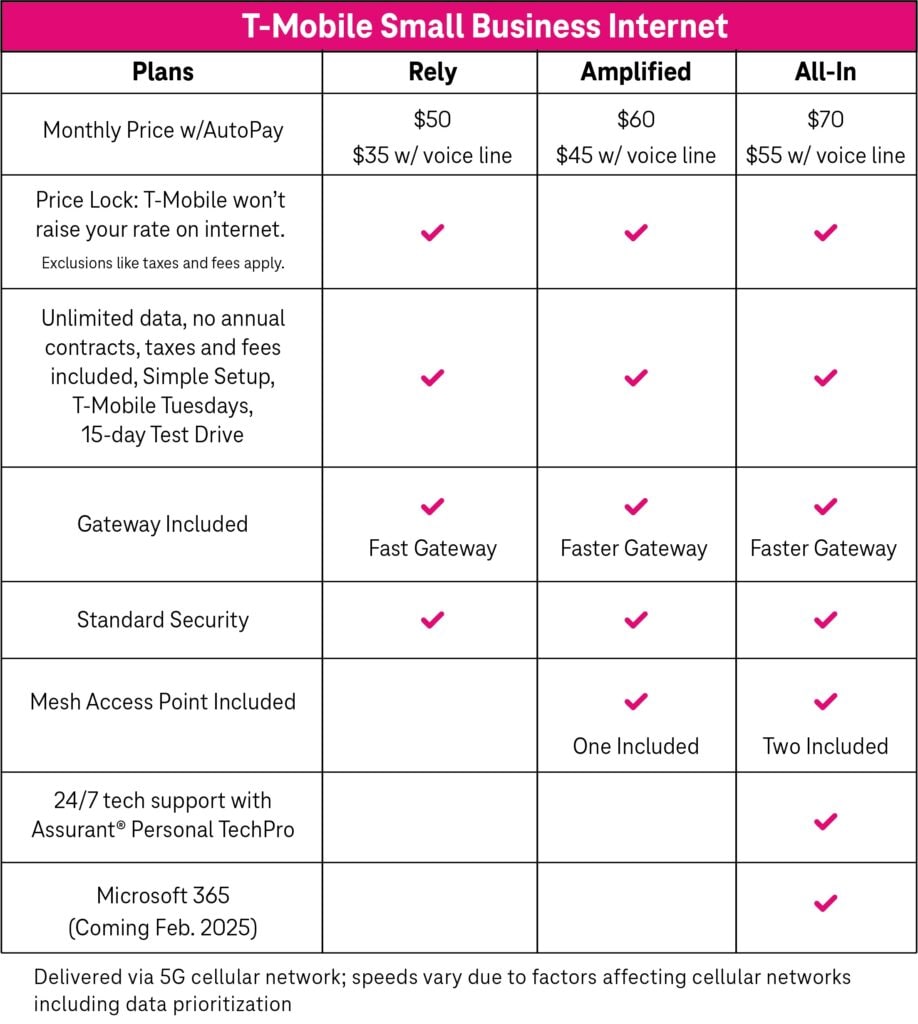
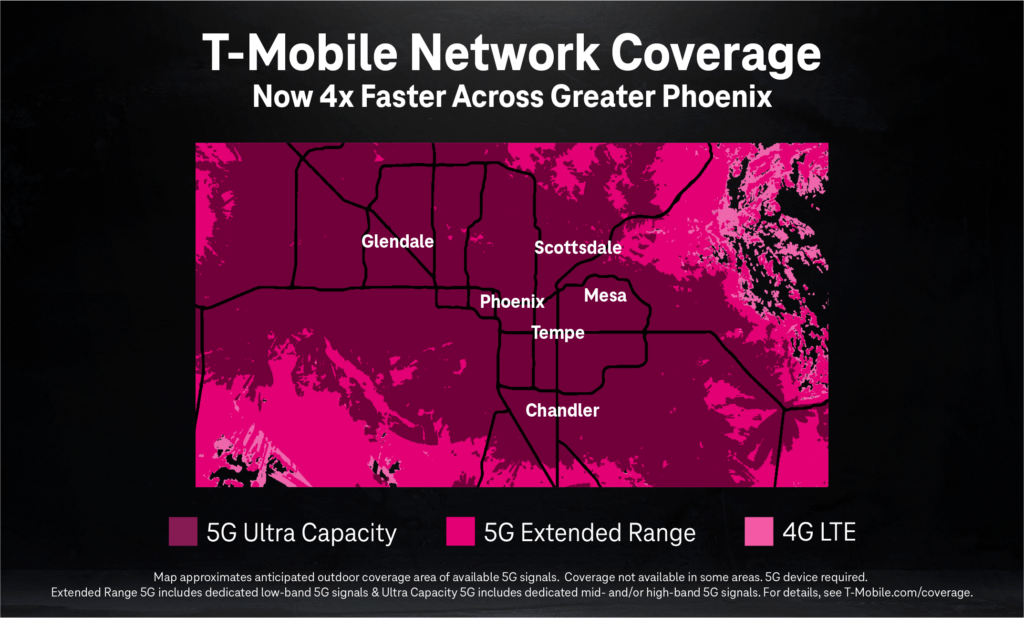

Is T Mobile Home Internet Good For Gaming GamingProfy What Is T Mobile Home Internet . Is T Mobile Home Internet Good For Gaming TechRadarto Is T Mobile Home Internet Good For Gaming.webp. T Mobile Unveils New Home And Small Business Internet Plans With More SBiChartJPG 918x1024 . T Mobile S Big Game Upgrades Boost Network Permanently Across Phoenix Nr Article Map 1 27 23 1024x618 . Best T Mobile Gateway Router For Gaming On PS5 T Mobile 5G Home Internet Gateway As Best Gaming Gateway For Ps5 1024x393



Is T Mobile Home Internet Good For Gaming A Review Copy Of Spiritual Of Saturn In Retrograde 2024 Explained 1 . What To Expect When T Mobile Takes Over Com T Satellite Coverage Map 2025.webp. House Internet Plans Telstra S New Bundles Save You Cash With Foxtel . Is T Mobile 5G Home Internet Down Com T Mobile Home Internet Gateway Front Scaled . T Mobile 5G Home Internet Review Evaluating Plans Pricing Speed And T Mobile Home Internet Review

T Mobile Home Internet Network Speed T Mobile 5G Home Internet HSI Separate Networks YT Background. What Is The Range Of T Mobile Home Internet At Ryan Moorman Blog . Rinse And Repeat T Mobile Tops 3rd Party Network Report Yet Again T Nr Gaming Experience Ookla 7 12 24 1024x585 . Best Internet Providers For Gaming In 2024 Game On Tmobile 5ginternet . How To Get Started With T Mobile Home Internet The Ultimate Guide 1024x538


T Mobile Refreshes 5G Home Internet Service With New Tiers And Wi Fi 7 . 5G Home Internet Plans T Mobile 5G Home Internet HSI Plus Devices NEW. Tmobile Home Internet Lite 8 Easy Checks Before You Buy T Mobile Home Internet Lite.webp. T Mobile Expands 5G Home Internet Service To 81 More Cities In These T Mobile Home Internet Header . T Mobile Launches Test Drive For Potential Home Internet Customers T Mobile 5g Home Internet 560x320


How Fast Is 5G T Mobile Home Internet Robots Net How Fast Is 5g T Mobile Home Internet 1693239239 . The Best Gaming Phones For 2026 The Best Gaming Phones For 2025 2g66 . 5G Business Internet In Chicago IL T Mobile For Business 5G Gateway Wi Fi 6 . Fast Reliable 5G Home Internet In Hannibal MO T Mobile FG Device Right Side . Bezdr Tov Internet Na Doma Rychl Wi Fi P Ipojen Bez Technika T 1201b23f 7173 79d6 84aa




T Mobile S Latest 5G Home Internet Bundle Cuts The Price To 25 Per Screen Shot 2022 12 08 At 12 24 49 Pm . Multi Player Gaming Over T Mobile 5G Home Internet Fix Double NAT . The Real T Mobile Internet Pros And Cons You Should Know T Mobile Internet Pros And Cons 1200x675 . T Mobile Home Internet Revisiting 5G For The Home After 480 80 . How To Fix T Mobile Home Internet Not Working T Mobile Internet App 1536x721