Navigating the world of computer chassis parts can feel overwhelming for even the most seasoned gamer especially when balancing work family and life This comprehensive guide cuts through the clutter offering practical advice on everything from essential components to smart upgrade choices for your gaming PC We delve into how proper chassis selection impacts performance cooling aesthetics and future proofing your rig ensuring your gaming sessions are smooth and your investment is sound Discover key insights into airflow cable management compatibility and budget friendly solutions that cater to busy adults who game to relax socialize and compete We cover trending designs and features that truly matter helping you optimize your setup without falling for hype This is your go to resource for making informed decisions about your computers physical foundation enhancing your gaming experience for years to come
What are the fundamental computer chassis parts I need to know about?
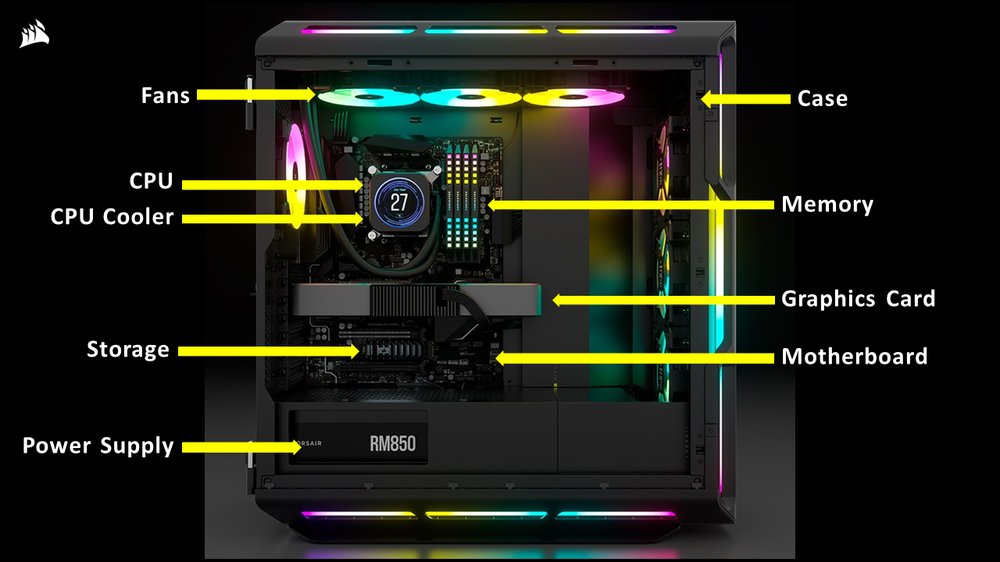
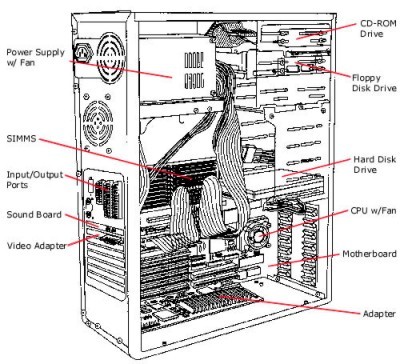
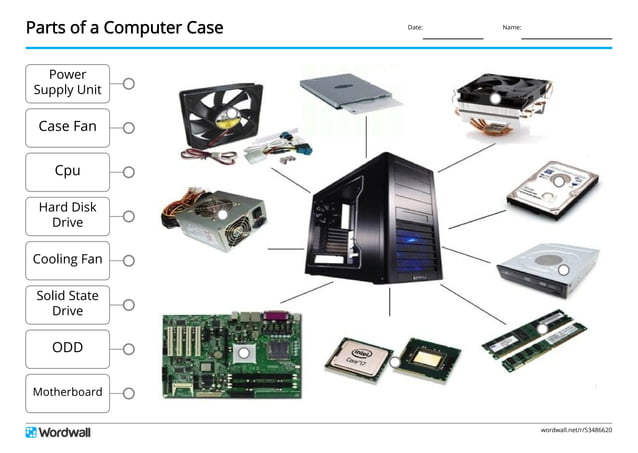
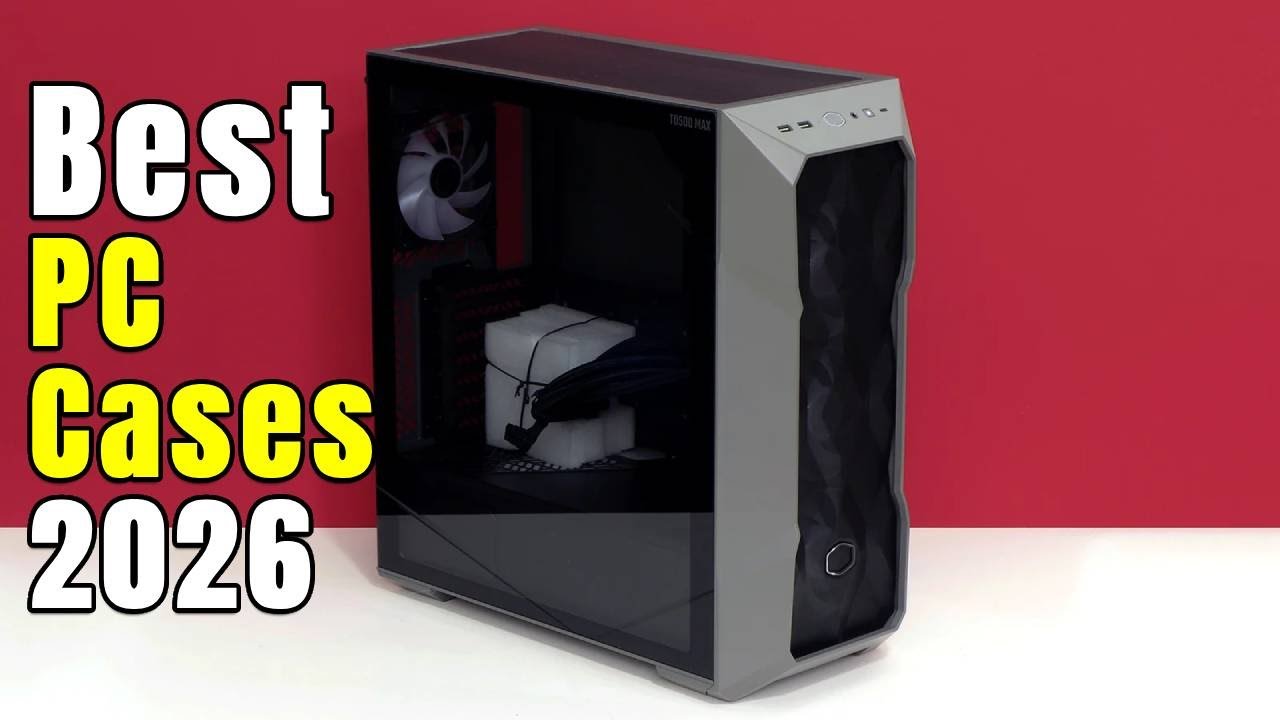
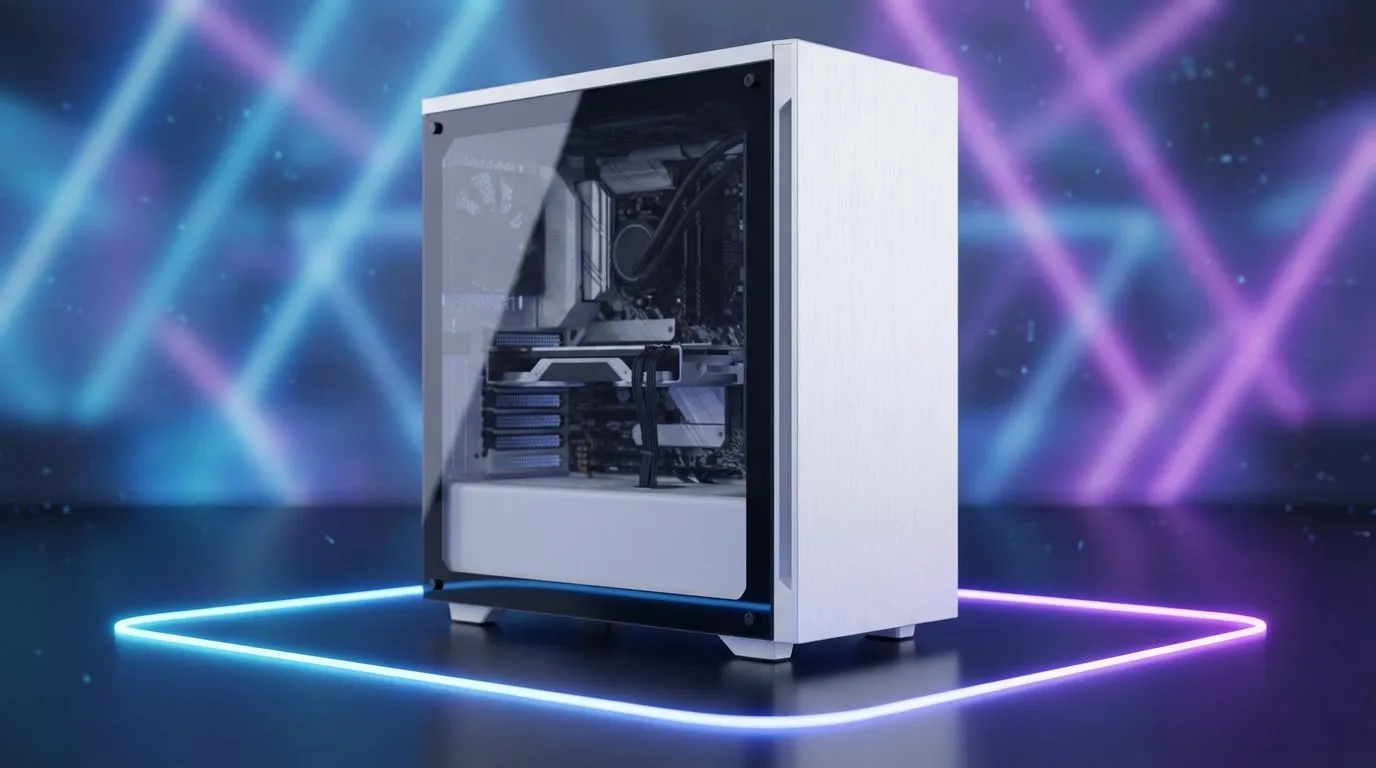
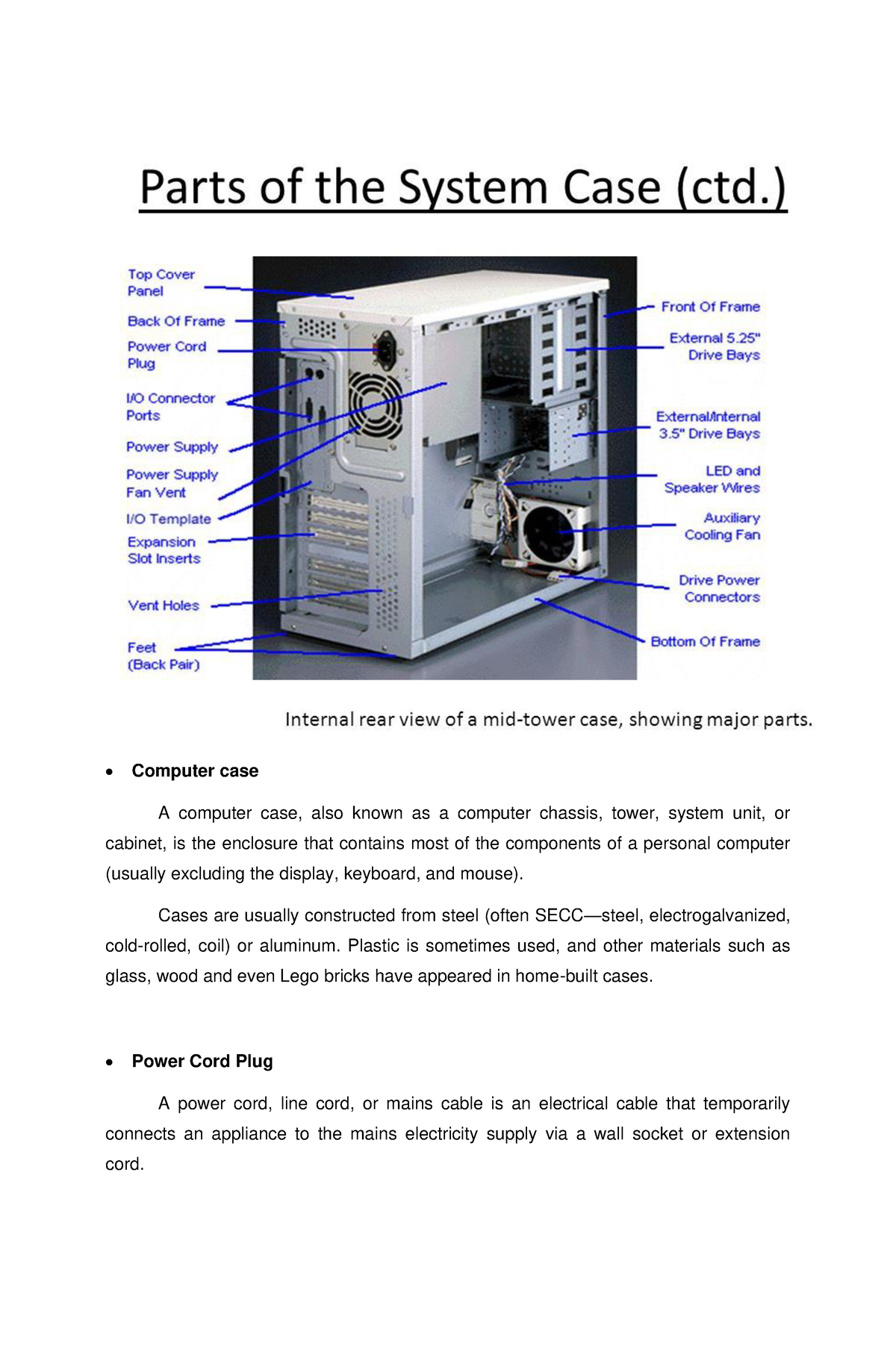
The fundamental computer chassis parts include the main frame, side panels (often tempered glass or metal), the motherboard tray, drive bays (for SSDs/HDDs), expansion slots (for graphics cards), the front I/O panel (USB, audio), and fan/radiator mounts. These components work together to house and protect your PC hardware, manage internal temperatures, and provide accessibility to your peripherals.
Why is proper cable management important when building with computer chassis parts?
Proper cable management is crucial because it significantly improves airflow within the chassis, preventing hot spots and contributing to lower component temperatures. It also makes future upgrades or troubleshooting much easier, and let's be honest, a clean build just looks a lot better, especially through a tempered glass side panel, enhancing the overall aesthetic of your gaming rig.
How do different computer chassis form factors affect my build options?
Different computer chassis form factors, like Mini-ITX, Micro-ATX, Mid-Tower, and Full-Tower, directly impact your build options. Smaller cases limit motherboard size, GPU length, and cooling solutions, ideal for compact setups. Mid-Towers offer a balanced approach for most gamers, supporting standard components and good cooling. Full-Towers provide maximum space for multiple GPUs, custom water cooling, and extensive storage, perfect for high-end, no-compromise builds.
What should I look for in computer chassis parts to ensure good cooling?
To ensure good cooling, look for computer chassis parts with excellent airflow design. This typically means mesh front panels for unobstructed intake, ample fan mounts (supporting 120mm or 140mm fans), and space for radiators if you plan on liquid cooling. Good dust filters are also key to maintaining airflow over time, preventing performance degradation from accumulated dust.
Are tool-less features on a computer chassis really that useful for gamers?
Yes, tool-less features on a computer chassis are incredibly useful for gamers, especially those who frequently upgrade or maintain their systems. They simplify the installation of drives, expansion cards, and side panels, saving valuable time and reducing frustration. For busy adults balancing gaming with life, these features make quick swaps and maintenance much more manageable.
Can the front I/O panel on my computer chassis be upgraded or customized?
While the core structure of your computer chassis's front I/O panel is usually fixed, some modular cases allow for limited customization or replacement of individual ports. More commonly, you can upgrade the *functionality* by adding internal USB hubs or card readers if your motherboard has available headers and your chassis has an open bay. For aesthetic upgrades, custom sleeving for internal cables or adding RGB accents around the ports can enhance the look.
What role do dust filters play in extending the life of computer chassis parts and components?
Dust filters play a vital role in extending the life of computer chassis parts and internal components by preventing dust from entering the system. Dust accumulation acts as an insulator, trapping heat and causing components to run hotter, which can lead to premature failure. By keeping the interior clean, dust filters maintain optimal cooling efficiency, reduce the need for frequent internal cleaning, and ultimately prolong the lifespan of your expensive gaming hardware.
Hey fellow gamers! Ever felt that frustrating lag or heard your PC fans screaming louder than a banshee during a critical raid? Or maybe you're just staring at your current setup, wishing it looked as cool as those epic streamer builds, but you're stuck on a budget or juggling family life. You're not alone. Balancing a demanding job, family responsibilities, and carving out precious gaming time means we want every minute to count, without constant tech headaches. Recent US gaming stats show 87% of gamers play regularly, often for 10+ hours a week, with many embracing cross-play and social gaming as a core part of their relaxation. Yet, issues like overheating, noisy fans, and tricky upgrades often stand in the way of that perfect escape.
That's where understanding your computer chassis parts comes in. Think of your chassis as the home for all your precious gaming gear. It's not just a fancy box; it's a critical component that impacts everything from your system's performance and cooling efficiency to its aesthetics and upgrade potential. A well-chosen case can save you from overheating woes, simplify future upgrades, and make your gaming space feel truly yours. In this guide, we're going to dive deep into the world of PC cases, breaking down what truly matters for busy gamers like us. No hype, just practical, actionable advice to help you build or upgrade a rig that performs like a champ, looks great, and respects your time and budget. Let's optimize your gaming sanctuary together!
What are the essential computer chassis parts and why do they matter?
When we talk about computer chassis parts, we're referring to all the components that make up the physical enclosure of your PC. Beyond the obvious side panels and frame, key parts include the motherboard tray, drive bays, expansion slots, front I/O panel, dust filters, and cooling mounts. Each part plays a vital role. The motherboard tray provides the mounting surface for your mainboard, dictating compatibility and often influencing cable management options. Drive bays house your SSDs and HDDs, while expansion slots accommodate your graphics card and other add-in cards. The front I/O panel gives you easy access to USB ports, audio jacks, and power buttons, a crucial convenience for daily use.
Why do these seemingly minor details matter? For gamers, they are foundational. Poorly designed drive bays can restrict airflow, leading to higher temperatures. Insufficient expansion slots might limit your ability to add a capture card or a Wi-Fi adapter. A flimsy front I/O panel can break easily, becoming a frustrating bottleneck. Moreover, the internal structure dictates how effectively you can manage cables, which is not just about aesthetics but also about maintaining optimal airflow. Understanding these parts means you can choose a chassis that truly supports your gaming hardware and habits.
How does chassis size impact my gaming PC build and future upgrades?
Chassis size is a critical decision that affects component compatibility, cooling potential, and future upgradeability. The most common sizes are Full Tower, Mid Tower, Mini-ITX, and Micro-ATX. Full Towers offer maximum space for multiple GPUs, extensive custom water cooling, and numerous storage drives, but they're huge and might not fit under every desk. Mid Towers are the most popular choice for gamers, providing a good balance of space for high-end components like modern GPUs (which are getting longer!), ample cooling options, and decent cable management without being overly cumbersome.
Mini-ITX and Micro-ATX cases cater to compact builds, perfect for those with limited space or who prefer a sleek, minimalist setup. However, these smaller form factors often come with trade-offs: tighter internal layouts can lead to challenging builds, limited cooling options, and restricted upgrade paths for larger components. For instance, a small Mini-ITX case might only support a short graphics card or a low-profile CPU cooler. For gamers balancing work and life, a Mid Tower often hits the sweet spot, offering enough flexibility for today's powerful hardware and room for future upgrades without demanding a massive footprint or an overly complicated build process. As of this month, many popular GPUs are quite long, making Mid Towers a safe bet for compatibility.
What are the latest trends in computer chassis design for gamers?
The computer chassis market is constantly evolving, driven by both performance needs and aesthetic desires. Currently, several key trends are dominating for gamers. First, **airflow optimization** is paramount. Cases with mesh front panels, perforated top panels, and strategic fan mounts are designed to maximize air intake and exhaust, directly addressing the heat generated by powerful CPUs and GPUs. This is crucial as components run hotter than ever, and gamers playing for 10+ hours a week need stable temperatures.
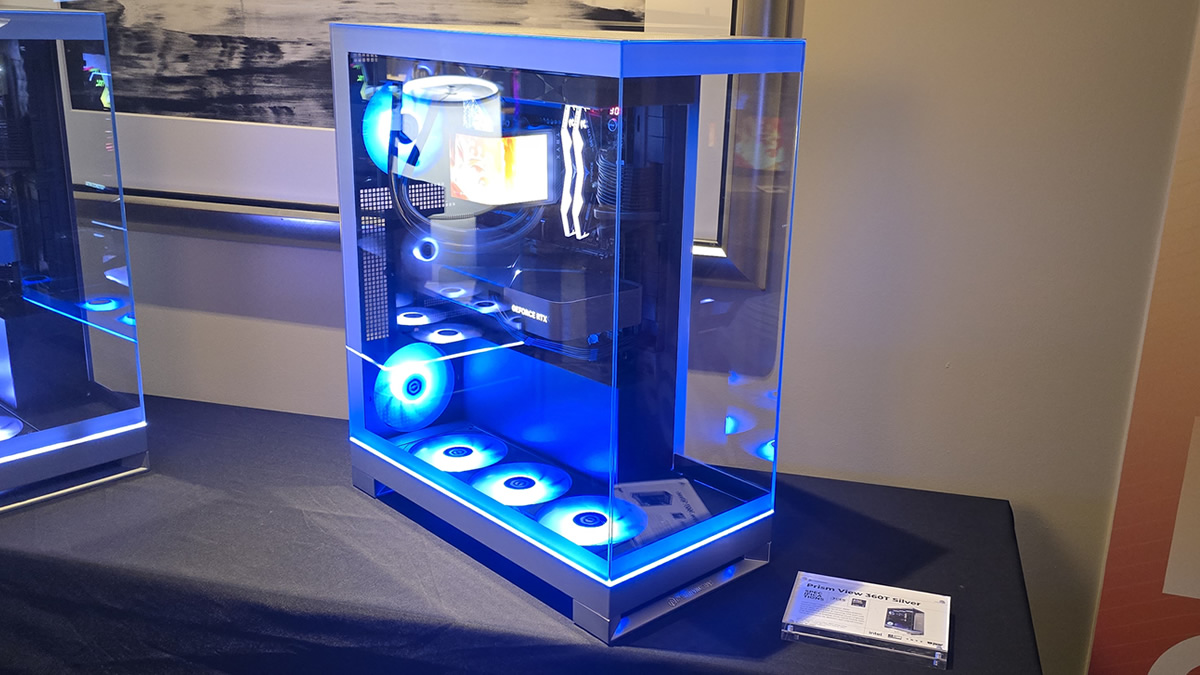
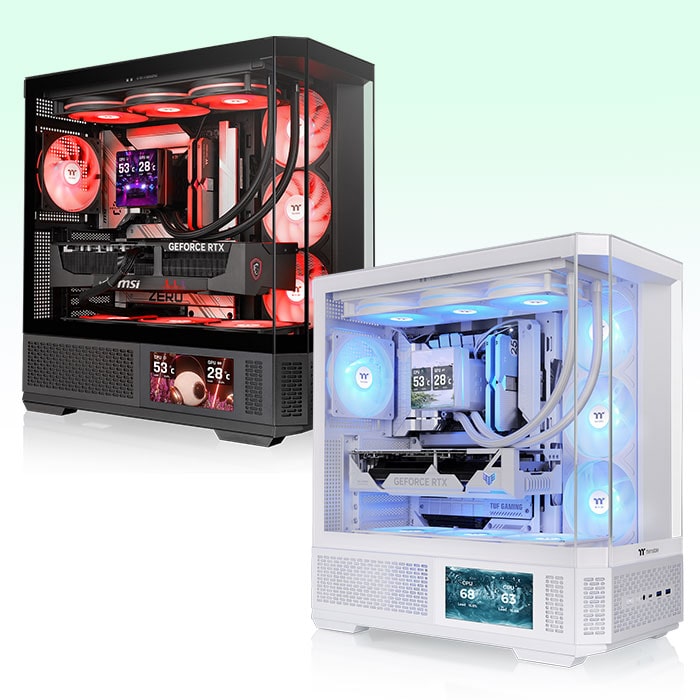
Second, **tempered glass side panels** remain incredibly popular, allowing users to proudly display their internal components, especially with the rise of RGB lighting. This ties into the third trend: **integrated RGB ecosystems and smart lighting**, allowing for synchronized lighting effects across the motherboard, fans, RAM, and even the chassis itself, often controlled via software. Fourth, **USB-C front I/O** is becoming standard on newer cases, offering faster data transfer for modern peripherals and catering to the mobile-first tendencies of many Gen Z/Millennial gamers who often cross-play with mobile devices. Finally, **tool-less design** and **improved cable management solutions** like dedicated channels, velcro straps, and ample tie-down points are making builds easier and cleaner, a huge plus for anyone short on time. These trends focus on both performance and user experience, reflecting what modern gamers truly value.
Why is proper airflow and cooling so crucial within a gaming chassis?
Proper airflow and cooling are not just buzzwords; they are absolutely fundamental to the performance and longevity of your gaming PC. Without adequate airflow, heat generated by your CPU, GPU, and other components gets trapped inside the chassis, leading to elevated temperatures. When components overheat, they automatically throttle their performance to prevent damage, meaning your frame rates drop, your game stutters, and your overall experience suffers. This is especially frustrating when you've just a short window to game.
Furthermore, prolonged exposure to high temperatures can significantly shorten the lifespan of your expensive hardware. A well-ventilated chassis with strategically placed intake and exhaust fans ensures a constant flow of cool air over your components, efficiently expelling hot air. Think of it as your PC breathing freely. Cases with mesh fronts, ample fan mounts (including larger 140mm options), and good dust filtration contribute significantly to this. It's an investment in both immediate performance stability and the long-term health of your gaming rig, saving you potential repair costs and downtime.
Are premium chassis features worth the extra cost for a busy gamer?
For many busy gamers, the question of whether to splurge on premium chassis features often comes down to value for money and time saved. Premium cases typically offer superior materials like thicker steel or aluminum, advanced cable management systems with pre-installed channels and velcro straps, better dust filtration, noise-dampening features, and often integrated RGB lighting or fan controllers. They also frequently boast easier-to-use tool-less designs for installing drives and panels.
While a basic chassis gets the job done, premium features can significantly enhance the build experience and long-term satisfaction. Superior cable management means a cleaner build and better airflow, translating to a cooler, quieter PC. Better dust filters mean less frequent cleaning. Noise dampening can be a godsend if your gaming space is also your family space. For someone balancing work and life, these features translate to less time spent troubleshooting, cleaning, or struggling with a frustrating build, and more time actually enjoying their games. So, if your budget allows, investing in a chassis with thoughtful, quality-of-life features can absolutely be worth it, transforming a chore into a seamless experience.
How can I ensure my computer chassis setup looks good without breaking the bank?
Achieving a sleek, attractive computer chassis setup doesn't necessarily require a massive budget. Many affordable cases today incorporate elements previously found only in premium models. Start by looking for cases with a tempered glass side panel to showcase your components, which are now standard even in the mid-range. Good cable management is key to a clean look; even if your case doesn't have elaborate channels, strategic use of zip ties or velcro straps (often included) can hide unsightly cables behind the motherboard tray.
For lighting, consider budget-friendly RGB fan packs or LED strips that connect to your motherboard's RGB header. Many motherboards offer basic RGB control software. You don't need expensive custom water loops to make a statement; a well-organized interior with clean cable runs and a few tasteful RGB accents can look incredibly professional. Focus on practical upgrades like better fan placement for aesthetics and performance, rather than purely decorative items. Remember, less is often more. A clean, organized build often looks better than a cluttered one trying too hard with too much RGB. It’s about smart choices, not just spending more.
What common computer chassis upgrade mistakes should gamers avoid?
Upgrading or choosing a new computer chassis can be exciting, but several common mistakes can lead to headaches or wasted money. First, **underestimating component clearance** is a big one. Always check the maximum supported GPU length, CPU cooler height, and PSU length for your chosen chassis. Modern graphics cards are often much longer than older models, and a new behemoth might not fit in your current case. Second, **ignoring airflow potential** is a critical error. Don't just pick a case because it looks cool; ensure it has ample ventilation, especially if you're running high-end hardware. A solid front panel might look sleek, but it can choke your components.
Third, **neglecting cable management features**. A case with poor cable routing options will make your build messy, impede airflow, and be a nightmare to work with later. Fourth, **not planning for future upgrades**. If you foresee adding more storage, a liquid cooler, or a second GPU, ensure your chassis has the necessary drive bays, radiator mounts, and expansion slots. Finally, **overspending on purely aesthetic features** when performance or budget is a concern. While a beautiful case is nice, functionality should always come first. Prioritize cooling, compatibility, and build quality over excessive RGB if it means sacrificing core performance or breaking your budget.
How can I balance budget and performance when choosing computer chassis parts?
Balancing budget and performance when selecting computer chassis parts is a common challenge for gamers who want value for money. The trick is to identify where you can economize without sacrificing essential functionality. First, decide on your form factor. Mid-tower cases often offer the best balance of features, compatibility, and price. Avoid overly expensive materials like solid aluminum if steel will suffice, as the performance benefit is negligible for the cost. Look for cases that prioritize **airflow** with mesh front panels and good fan support, even if they don't come with pre-installed premium RGB fans. You can always add affordable fans later.
Second, focus on practical features like **good cable management options** (even basic tie-down points are useful) and **dust filters**. These improve longevity and maintenance, saving you time and hassle. Third, consider cases that are well-reviewed for their **build quality** rather than just brand name. Many lesser-known brands offer excellent value. Skip features like extensive integrated RGB controllers or multiple tempered glass panels if they inflate the price unnecessarily. Remember, your chassis is a long-term investment; choosing a solid, functional base that supports your current and future components is more important than a flashy but impractical design. Many gamers find a sweet spot around the $75-$120 range for a chassis that offers both quality and features without breaking the bank.
Maintaining your computer chassis: Tips for longevity and optimal performance.
Maintaining your computer chassis is essential for ensuring your gaming rig performs optimally and lasts for years, saving you time and money on repairs. The biggest enemy of PC components is dust. Regularly (every 2-3 months, or more if you live in a dusty environment) clean your dust filters. Most modern cases have easily removable filters on the front, top, and bottom; gently brush or vacuum them clean. For internal components, use compressed air to blow dust out of fans, heatsinks, and crevices. Always hold fan blades still when doing this to prevent over-spinning and damage.
Beyond dust, occasionally check fan connections to ensure they're secure and spinning freely. Listen for any unusual noises – rattling or grinding could indicate a failing fan. If your case has tempered glass panels, clean them with a microfiber cloth and a gentle glass cleaner (applied to the cloth, not directly to the glass). For exterior panels, a damp cloth is usually sufficient. Keeping your chassis clean not only maintains its aesthetic appeal but, more importantly, ensures unrestricted airflow, which is vital for efficient cooling and preventing thermal throttling, especially when you're grinding through those long gaming sessions.
What are the main differences between open-air and traditional enclosed computer chassis designs?
Open-air and traditional enclosed computer chassis designs offer distinct approaches to PC building, each with pros and cons for gamers. Traditional enclosed cases are what most of us are familiar with: a box that fully encases all components. They excel at **dust protection** thanks to filters, offer better **noise dampening**, and provide a more **controlled thermal environment** with directed airflow paths. They also protect components from accidental bumps or spills. For the average gamer, especially those in shared living spaces or with pets, an enclosed chassis is generally the more practical and safer choice.
Open-air chassis, conversely, expose most or all components to the environment. Their primary advantage is often **maximum cooling potential** (as there's no air restriction) and a striking, often minimalist aesthetic that highlights the hardware. They are popular for extreme overclockers, modders, and those who want their PC to be a work of art. However, they are highly susceptible to **dust buildup**, offer **zero noise dampening**, and provide **no protection** against physical damage or spills. Building in an open-air case also requires meticulous cable management for aesthetics, and ambient room temperature plays a much larger role in component temperatures. For daily gaming and practical use, the traditional enclosed chassis typically offers a much more balanced and resilient experience.
Computer Chassis Parts FAQ Section
What is a chassis in a computer?
A chassis in a computer is the physical frame or enclosure that houses all the internal components of a PC, such as the motherboard, CPU, GPU, storage drives, and power supply. It provides protection, structural support, and directs airflow for cooling.How important is a PC case for gaming?
A PC case is very important for gaming as it directly impacts cooling efficiency, component compatibility, noise levels, and the overall aesthetics of your build. A good case ensures optimal performance and hardware longevity.Can I reuse my old PC chassis for a new build?
Yes, you can often reuse an old PC chassis for a new build, provided it supports the physical size of your new components (motherboard form factor, GPU length, CPU cooler height) and offers adequate airflow for modern hardware.What's the best material for a computer chassis?
Steel is the most common and balanced material, offering durability and good cost. Aluminum is lighter and often seen in premium cases. Tempered glass is popular for side panels to display components, but it adds weight and can be fragile.Do computer chassis come with fans?
Most computer chassis come with at least one or two pre-installed fans, usually a basic intake and/or exhaust fan. Higher-end cases might include more fans, sometimes RGB-enabled, or even a fan controller.What is a PSU shroud on a chassis?
A PSU shroud is an internal cover within the chassis that hides the power supply unit and its cables. It improves aesthetics by creating a cleaner look and helps to compartmentalize airflow, often seen in modern cases.How often should I clean my computer chassis?
It's recommended to clean your computer chassis and its dust filters every 2-3 months. If you live in a particularly dusty environment or have pets, more frequent cleaning, perhaps monthly, is advisable to maintain optimal airflow.What does ITX or ATX mean for a chassis?
ITX (Mini-ITX, Micro-ATX) and ATX (ATX, E-ATX) refer to motherboard form factors, which in turn dictate the size of the chassis. An ATX chassis supports ATX motherboards (standard size), while an ITX chassis supports smaller Mini-ITX motherboards, leading to more compact builds.Conclusion
Choosing the right computer chassis parts is more than just picking a box; it's about investing in the heart of your gaming experience. For busy gamers juggling life's demands, a smart chassis choice means fewer headaches, better performance, and a more enjoyable escape into your favorite virtual worlds. We've explored everything from essential components and form factors to crucial airflow, aesthetic trends, and common pitfalls. By prioritizing compatibility, cooling, and thoughtful features over pure hype, you can build a rig that not only looks great but performs flawlessly, allowing you to maximize those precious gaming moments.
So, take these insights, plan your build, and make your PC the reliable gaming companion you deserve. What's your biggest gaming challenge when it comes to hardware upgrades or setup issues? Comment below and share your tips with the community!
Optimal airflow for cooling, component compatibility, aesthetic appeal and customization, robust cable management solutions, easy upgrade path, noise reduction features, durable material construction, budget-friendly options
35


20 Essential Parts Of A Computer A Overview SimiTech 1 . The Anatomy Of A PC CORSAIR Best Buy PC Gaming .width 000.format Jpeg . What Is A Computer Case Types Components Functions SimiTech Blog Post 1050x550 . InWin Unveils Next Gen Case Designs Compute Solutions At CES 2026 . Chassis Types Image 8 9


Parts Of A Computer Case Labelled Diagram 0. Parts Of A Computer Case Labelled Diagram Pdf Parts Of A Computer Case Labelled Diagram Pdf 1 638 . Becomes The King Of Budget PC Cases At CES 2026 OC3D Prism View 360T Silver . Chassis Countdown 10 Best New PC Cases From CES 2025 PCMag 11 . Chassis Countdown 10 Best New PC Cases From CES 2025 PCMag 9
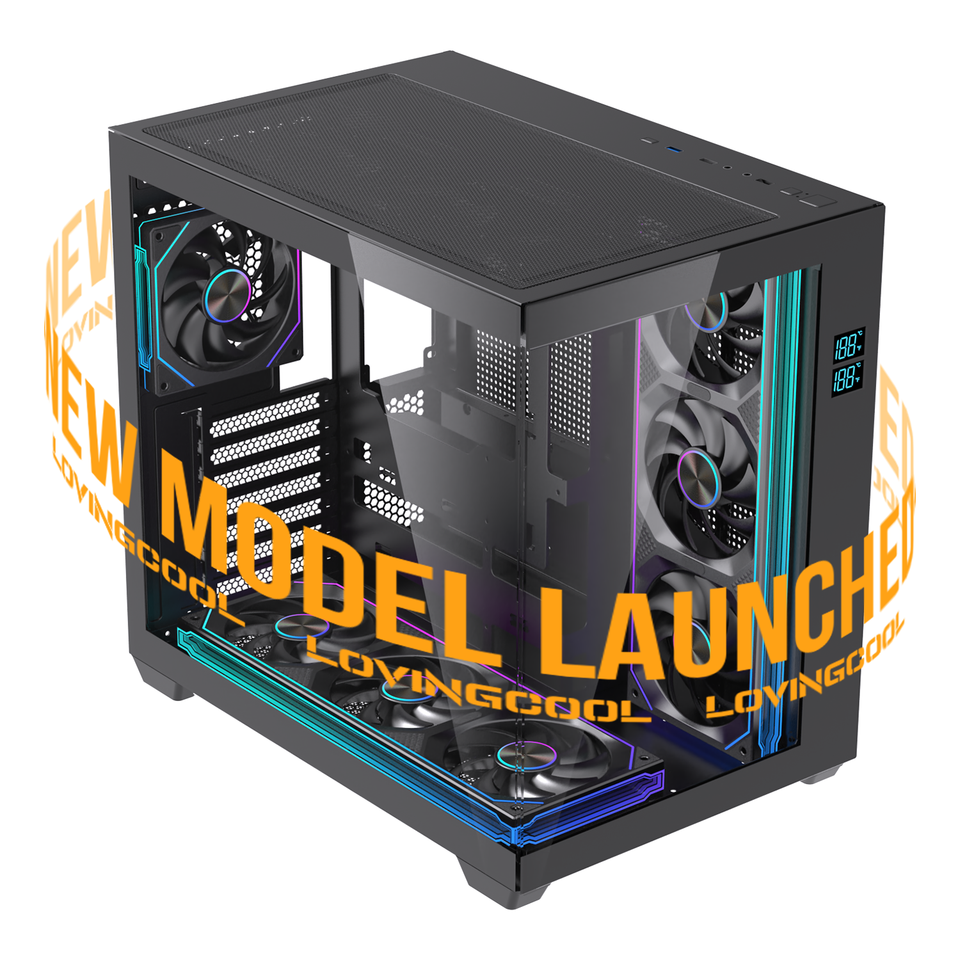

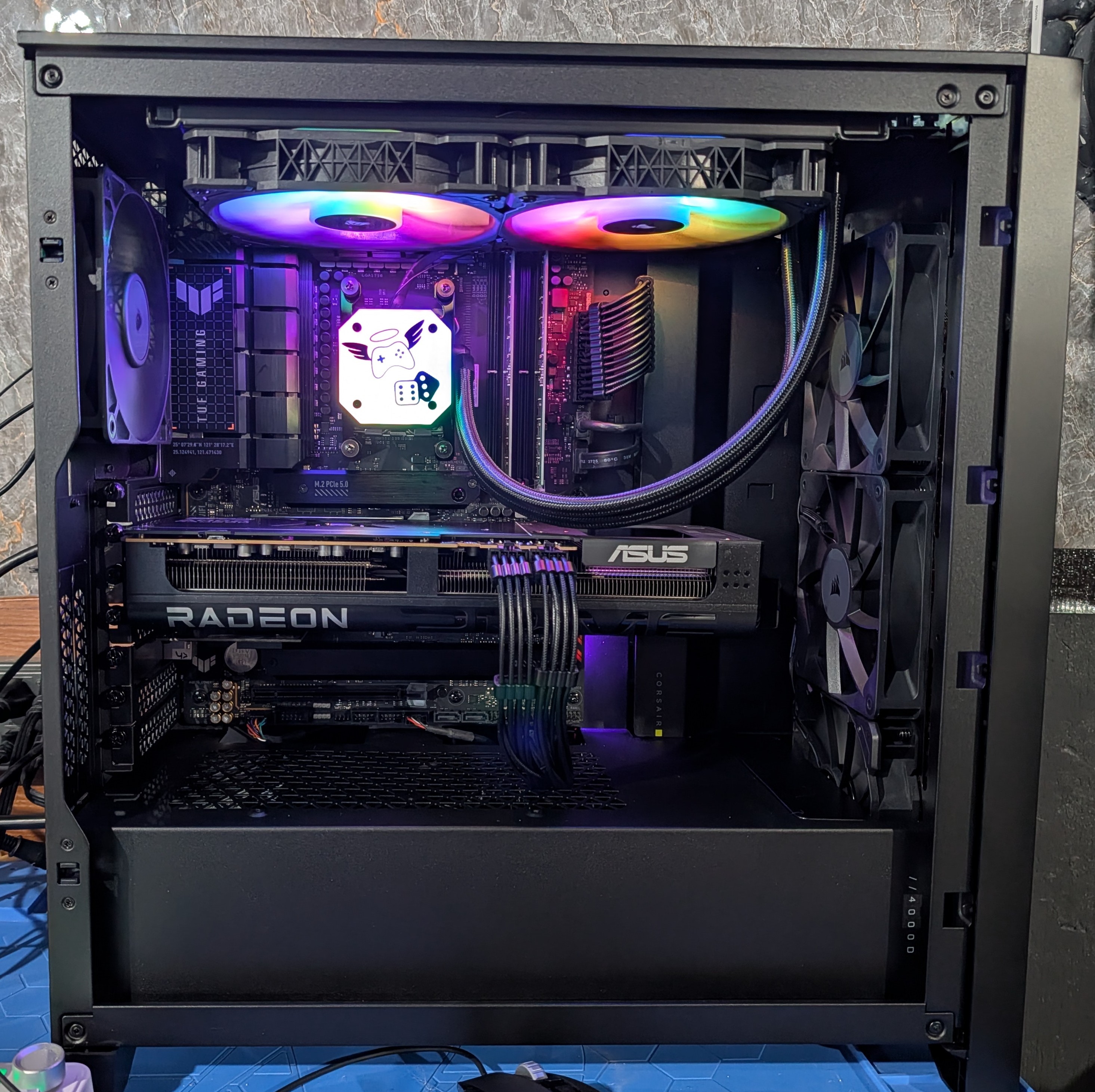


LOVINGCOOL 2026 PC Case Gaming ATX Case Oversized Side Stalinite Wide 960x960q80 . Chassis Countdown 10 Best New PC Cases From CES 2025 PCMag 5 . ExtraLife 2026 Build PC Building Parts AMD Gaming . 1010 Steel Computer Chassis Wisconsin Metal Parts . Computer Parts Functions Pdf Computer Parts Functions Pdf 7 320
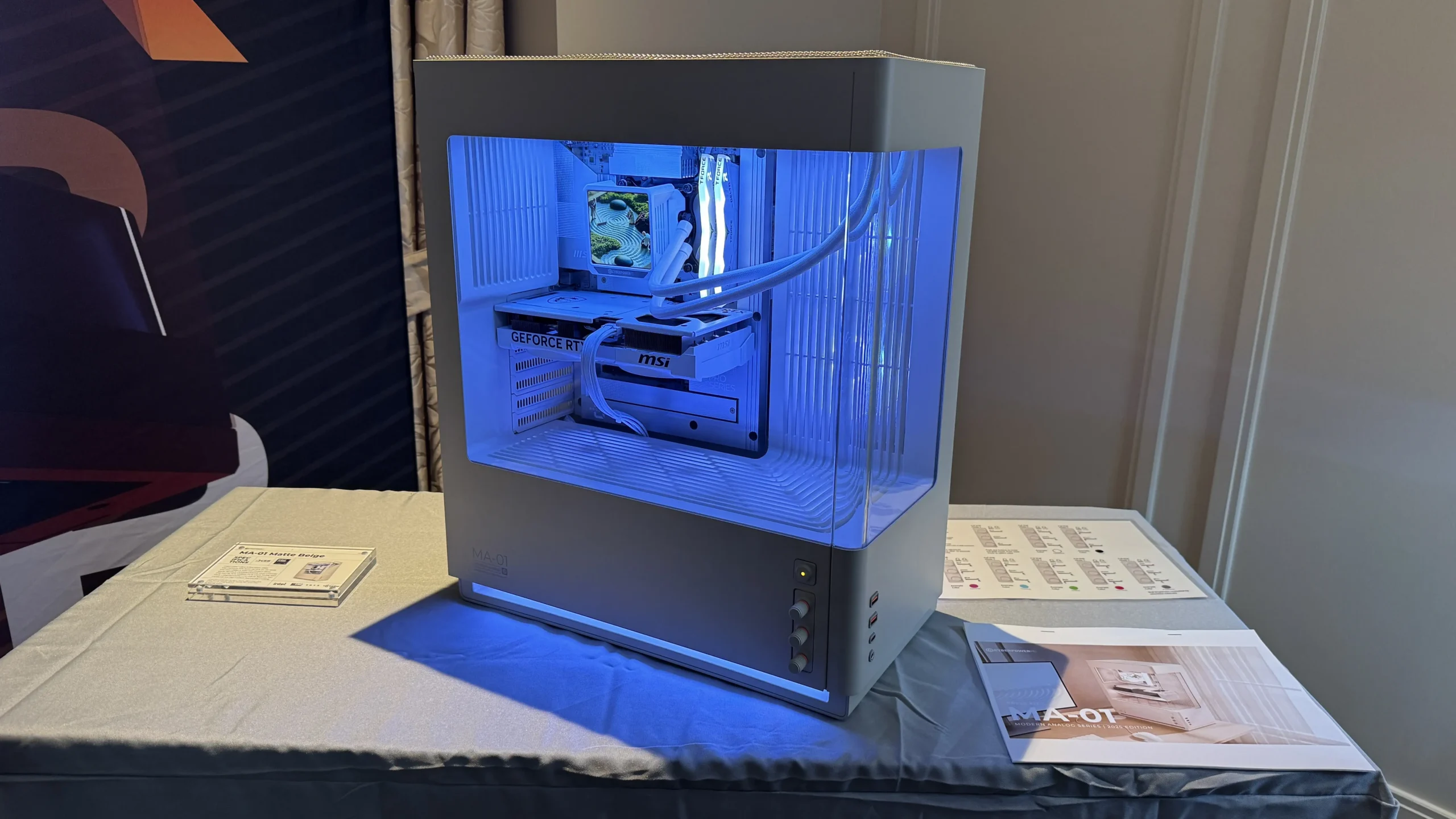
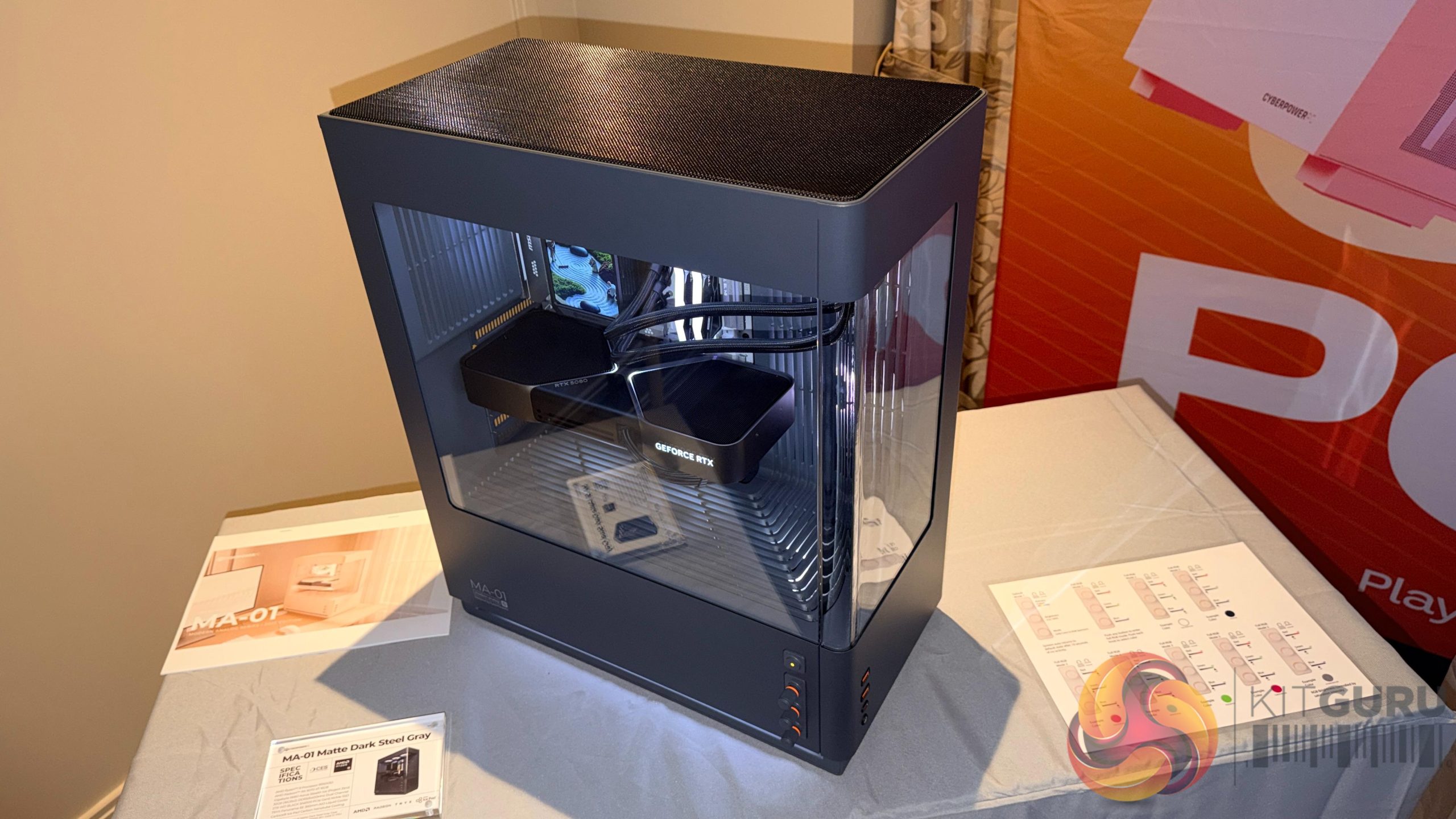


MA 01 Case At CES 2026 Retro Charm Meets Modern Tech IMG 2490 Scaled.webp. CES 2026 Showcases Impressive MA 01 Chassis With Woven IMG 8374 Scaled . 5 Best PC Cases 2026 Sleek High Performance YouTube . Awesome All In Ones Potent Components The Top Desktops And PC Parts 25 . Wow Worthy Builds Only The 12 Top PC Cases We Saw At CES 2026 Cyberpower Ma 01 Mzu6

Top White PC Cases 2026 Best White Pc Case Sa 2026 Banner.webp. How To Choose PC Parts In 2026 Guide Build Smart How To Choose The Right PC Parts For Your First Build 2025 Guide . Wow Worthy Builds Only The 12 Top PC Cases We Saw At CES 2026 PCMag 43.fit Lim.size . Thermaltake CES2026 Chassis05 1 . The Complete Custom PC Building Guide For 2026 Alexandria Customs Pc 4136383 1920


CES 2026 The Biggest PC Hardware You Can T Miss EXO 626 PR 1000x1000 00 . Wow Worthy Builds Only The 12 Top PC Cases We Saw At CES 2026 PCMag 2 . Awesome All In Ones Potent Components The Top Desktops And PC Parts 23 . Wow Worthy Builds Only The 12 Top PC Cases We Saw At CES 2026 PCMag 18 . Wow Worthy Builds Only The 12 Top PC Cases We Saw At CES 2026 PCMag 34



Building The Computer Build A Computer 2 . Debuts MA 01 Mid Tower PC Case At CES 2026 TechPowerUp . Desktop Computer Chassis With Components For Parts Repairs No Hard 92cff320 1381 41a6 9067 01131 . Wow Worthy Builds Only The 12 Top PC Cases We Saw At CES 2026 PCMag 6 . A Computer Case Description At Amelia Rojas Blog Thumb 1200 1835