OLED displays are redefining gaming experiences in 2026 offering unparalleled visuals and responsiveness that captivate serious and casual players alike For many US gamers balancing work family and personal life means every gaming session counts making display choice critical for maximizing precious leisure time This comprehensive guide dives deep into whether OLED truly is the best for gaming cutting through the marketing hype to deliver clear actionable insights We explore everything from stunning color reproduction and infinite contrast to potential burn in concerns and cost effectiveness Discover how OLED technology impacts competitive play immersive storytelling and even your wallet Whether you are upgrading your PC monitor console TV or considering a portable OLED gaming device understanding the pros and cons is essential Learn how to optimize your setup for peak performance ensuring your gaming moments are as rewarding and stress free as possible Get ready to make an informed decision that elevates your gaming without breaking the bank or your schedule
What specific image quality improvements does OLED offer for games like Cyberpunk 2077?
For visually rich games like Cyberpunk 2077, OLED's self-emissive pixels deliver perfect blacks, which are crucial for the game's neon-lit nights and shadowy interiors. This means infinite contrast, making highlights pop and dark areas retain detail without any graying or blooming. Colors are also incredibly vibrant and accurate, giving Night City an unparalleled visual fidelity that truly immerses you, enhancing the HDR experience dramatically. You'll notice subtle nuances in reflections and character models that might be lost on lesser displays, making the world feel more tangible and alive.
How does OLED's response time benefit fast-paced multiplayer games like Apex Legends?
OLED displays boast near-instantaneous pixel response times, often less than 0.1 milliseconds. In fast-paced multiplayer games like Apex Legends, this means virtually no motion blur or ghosting, even during rapid camera movements or intense firefights. Characters and projectiles remain razor-sharp on screen, allowing for quicker target acquisition and more precise aiming. This ultra-low latency and crystal-clear motion clarity provide a competitive advantage, enabling quicker reactions and a smoother, more fluid gameplay experience that can be the difference between victory and defeat.
Is an OLED monitor still a good investment if I mainly play cozy or indie games?
Absolutely. While OLED's competitive edge is obvious for esports, its visual prowess equally elevates cozy and indie games. The perfect blacks and vibrant colors bring artistic visuals to life, making serene landscapes or charming character designs pop with incredible depth and beauty. Even for relaxation-focused games, the immersive quality of OLED enhances the escapism, making your limited gaming time more enjoyable. The fantastic viewing angles also mean you can relax on a couch or share the screen with a partner without compromising picture quality.
What are the best practices to prevent OLED burn-in for gamers with static HUDs?
While modern OLEDs have advanced burn-in prevention, for games with static HUDs, several practices can help. Utilize your display's built-in features like pixel shifting, logo brightness adjustment, and pixel refresh cycles. Game developers often include options to minimize HUD elements or make them transparent; use these. Vary your gaming content, avoiding playing a single game with a static UI for excessively long, continuous sessions. If using an OLED TV for a PC monitor, hide your taskbar and use dynamic wallpapers to minimize static desktop elements. These steps significantly reduce risk.
How important is HDMI 2.1 for OLED gaming, especially with current-gen consoles?
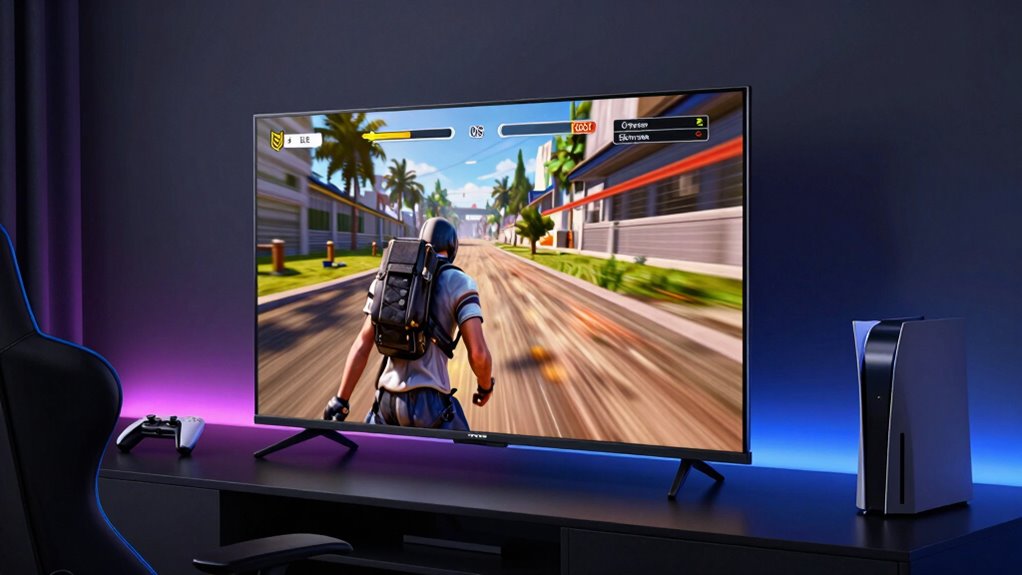
HDMI 2.1 is incredibly important for modern OLED gaming, especially with current-gen consoles like PS5 and Xbox Series X/S. It provides the bandwidth necessary for 4K resolution at 120Hz, which is the gold standard for high-fidelity console gaming. Crucially, HDMI 2.1 enables Variable Refresh Rate (VRR) and Auto Low Latency Mode (ALLM. VRR eliminates screen tearing and stuttering, ensuring buttery-smooth gameplay even when frame rates fluctuate. ALLM automatically switches your display to its lowest latency mode when it detects a game, providing the most responsive experience without manual adjustments.
Are there any specific OLED display sizes or form factors trending for gamers in 2026?
In 2026, gamers are increasingly embracing larger OLED monitors for desktop use, with sizes like 27-inch, 32-inch, and even 49-inch ultrawides becoming popular choices for immersive PC setups. We're also seeing a rise in dedicated OLED gaming handhelds and high-refresh-rate OLED panels for gaming laptops, catering to the growing demand for premium portable experiences. For living room console gaming, large format OLED TVs (55-inch and up) continue to be highly sought after for their cinematic scale and performance, with thinner bezels and improved smart features being key trends.
How does OLED contribute to a more relaxed and immersive gaming session after a stressful day?
After a demanding day, OLED transforms gaming into a truly relaxed and immersive escape. The perfect blacks and vibrant colors create a deeply engaging visual experience that draws you into the game world, helping you forget daily stressors. The superior motion clarity reduces eye strain during fast action, while the wide viewing angles allow for comfortable couch gaming with family or friends without visual degradation. The overall premium picture quality enhances escapism, making every carefully chosen minute of gameplay feel more rewarding and visually spectacular, fostering genuine relaxation.
Gamers, picture this: You finally carve out an hour to dive into your favorite title after a long day of work and family duties. You load up the game, ready to unwind, but something feels off. The colors look washed out, fast movements blur, and those deep shadows aren't quite deep enough. Sound familiar? In 2026, with an estimated 87% of US gamers regularly dedicating 10+ hours a week to their passion, the quality of our gaming display has never been more critical. We juggle careers, responsibilities, and social lives, so when we game, we want it to be an escape, a thrill, or a chance to connect. The question on everyone's mind is: is OLED the best for gaming right now?
The buzz around OLED has been constant, promising incredible visuals, lightning-fast response times, and an immersive experience that traditional displays struggle to match. But for the busy gamer looking for value, performance, and longevity without getting bogged down in technical jargon or marketing hype, it's tough to separate fact from fiction. You want to know if investing in OLED is truly worth it, especially when you're upgrading on a budget or looking for solutions to common gaming pain points like inconsistent performance or setup headaches. This comprehensive guide will cut through the noise, answering your most pressing questions about OLED gaming, helping you make an informed decision that genuinely enhances your precious gaming moments. Let's explore whether OLED is the upgrade your setup truly needs for a better, more enjoyable, and optimized gaming life.
What exactly makes OLED different for gaming?
OLED stands for Organic Light Emitting Diode, and its fundamental difference from traditional LCD or QLED panels lies in how it produces light. Unlike other displays that rely on a backlight illuminating an entire panel, each individual pixel in an OLED display generates its own light. This self-emissive nature allows for true pixel-level control, meaning when a pixel is black, it's genuinely off, producing an infinite contrast ratio. This results in perfect blacks, incredibly vibrant colors, and unparalleled shadow detail. For gamers, this translates to a more immersive experience where dark scenes have depth and bright explosions pop with stunning realism. Imagine navigating a dimly lit cave in an RPG, where shadows conceal true threats, or seeing every nuanced color in a vibrant open world. That's the OLED difference.
Is OLED the best for gaming in terms of visual quality?
When it comes to pure visual fidelity, many experts and gamers agree that yes, is OLED the best for gaming. The infinite contrast and perfect blacks provide a level of picture quality that even the best mini-LED or QLED displays struggle to match. Colors on an OLED screen are exceptionally vibrant and accurate, making game worlds feel more alive and engaging. The wider viewing angles also mean consistent color and contrast, no matter where you sit. For games with stunning art direction or those that rely heavily on atmosphere and realism, OLED truly shines. Whether you're exploring the richly detailed environments of a new single-player epic or just enjoying the visual flair of a social game with friends, OLED delivers an experience that can make old favorites feel new again.
How does OLED performance compare for competitive gamers?
For competitive gamers, performance metrics like response time and input lag are paramount. This is another area where is OLED the best for gaming. OLED displays boast near-instantaneous pixel response times, typically less than 0.1ms. This means virtually no motion blur or ghosting, ensuring that fast-moving objects and quick camera pans remain incredibly clear. When milliseconds matter in a clutch moment, this responsiveness can give you a crucial edge. While input lag is more dependent on the display's processing, most modern OLED gaming monitors and TVs feature low input lag modes that rival the fastest traditional gaming monitors. Technologies like variable refresh rate (VRR), including G-Sync and FreeSync, are also standard on high-end OLEDs, ensuring smooth, tear-free gameplay at high frame rates, which is essential for esports and fast-paced titles.
What about OLED burn-in? Is it still a major concern for gamers in 2026?
Burn-in, or image retention, has historically been a significant concern with OLED technology. However, in 2026, manufacturers have made substantial strides to mitigate this risk. Modern OLED panels incorporate several technologies designed to prevent or reduce burn-in, such as pixel shifting, logo dimming, and sophisticated refresh algorithms that detect and address static elements. For gamers who enjoy diverse titles and regularly change up their screen content, burn-in is much less of a worry. However, if you play one game exclusively for thousands of hours with static HUD elements or spend countless hours on desktop with static taskbars, a minimal risk still exists. It's important to use OLED panels responsibly, activating built-in protection features and occasionally varying your content to ensure longevity. Most manufacturers now offer better warranties covering burn-in, reflecting their confidence in the improved durability.
Are OLED gaming monitors and TVs affordable for the average gamer?
The perception that OLED is prohibitively expensive is slowly changing. While still generally premium products, the price of OLED gaming monitors and TVs has become more accessible over the last few years, particularly with increased competition and broader adoption. In 2026, you can find a range of OLED options at various price points, from high-end large format TVs perfect for console gaming in the living room to dedicated desktop monitors. While a top-tier OLED will certainly be an investment, many gamers find the enhanced visual experience and performance justify the cost, especially given its long-term value. For those upgrading on a budget, look for sales, consider slightly older models, or explore smaller screen sizes. Balancing your desire for the best with your budget is a common challenge for gamers, and OLED now offers more flexibility than ever before.
Can OLED handle all gaming genres equally well?
Absolutely, OLED excels across virtually all gaming genres. Its perfect blacks and infinite contrast make horror games incredibly atmospheric and immersive, enhancing the feeling of dread and suspense. For visually stunning open-world RPGs or cinematic story-driven adventures, the vibrant colors and detailed shadow reproduction bring worlds to life with breathtaking fidelity. In fast-paced competitive shooters or racing games, the near-instantaneous response times and lack of motion blur provide a clear, crisp image that helps with target acquisition and situational awareness. Even in social or cozy games, where the focus might be more on aesthetics and relaxation, OLED's vibrant picture quality makes the experience more enjoyable and engaging. There isn't a single genre that doesn't benefit from the core strengths of an OLED display, making it a versatile choice for any gamer's diverse library.
What's the best way to set up and optimize an OLED for gaming?
Optimizing your OLED for gaming involves a few key steps to ensure you're getting the best out of its capabilities. First, ensure your console (PS5, Xbox Series X/S) or PC graphics card is connected via an HDMI 2.1 cable to enable features like 4K resolution at 120Hz, VRR (Variable Refresh Rate), and ALLM (Auto Low Latency Mode). On your OLED display, always activate "Game Mode" if available, as this bypasses much of the post-processing to reduce input lag significantly. Adjust brightness, contrast, and color settings to your preference, often starting with a calibrated or 'Game' preset. For PC users, ensure your GPU drivers are up-to-date and your display settings in Windows (or your OS) are configured for the correct refresh rate and HDR if applicable. Don't forget to enable any pixel-refresh or burn-in protection features your display offers, often found in the display's menu, to maximize panel longevity.
How does OLED compare to other popular display technologies for gamers?
When considering an upgrade, gamers often weigh OLED against alternatives like QLED and Mini-LED. QLED (Quantum-dot LED) displays, primarily championed by Samsung, use quantum dots to enhance color and brightness on an LCD panel. They offer excellent peak brightness and wider color volumes than traditional LCDs, making them great for bright rooms and HDR content. However, they still rely on a backlight, meaning they can't achieve the perfect blacks or infinite contrast of OLED. Mini-LED technology also uses a backlight but with thousands of tiny LEDs grouped into hundreds or thousands of local dimming zones. This significantly improves contrast and black levels over standard LCDs, coming closer to OLED's performance in dark scenes. However, mini-LED can still suffer from "blooming" (halos around bright objects on dark backgrounds) and can't match OLED's pixel-perfect black. In summary, OLED generally offers superior contrast, black levels, and response times, while QLED and Mini-LED often win in peak brightness and sometimes price, especially for very large screens. For the ultimate visual experience and responsiveness, OLED holds a strong edge.
What are the latest OLED gaming trends for 2026?
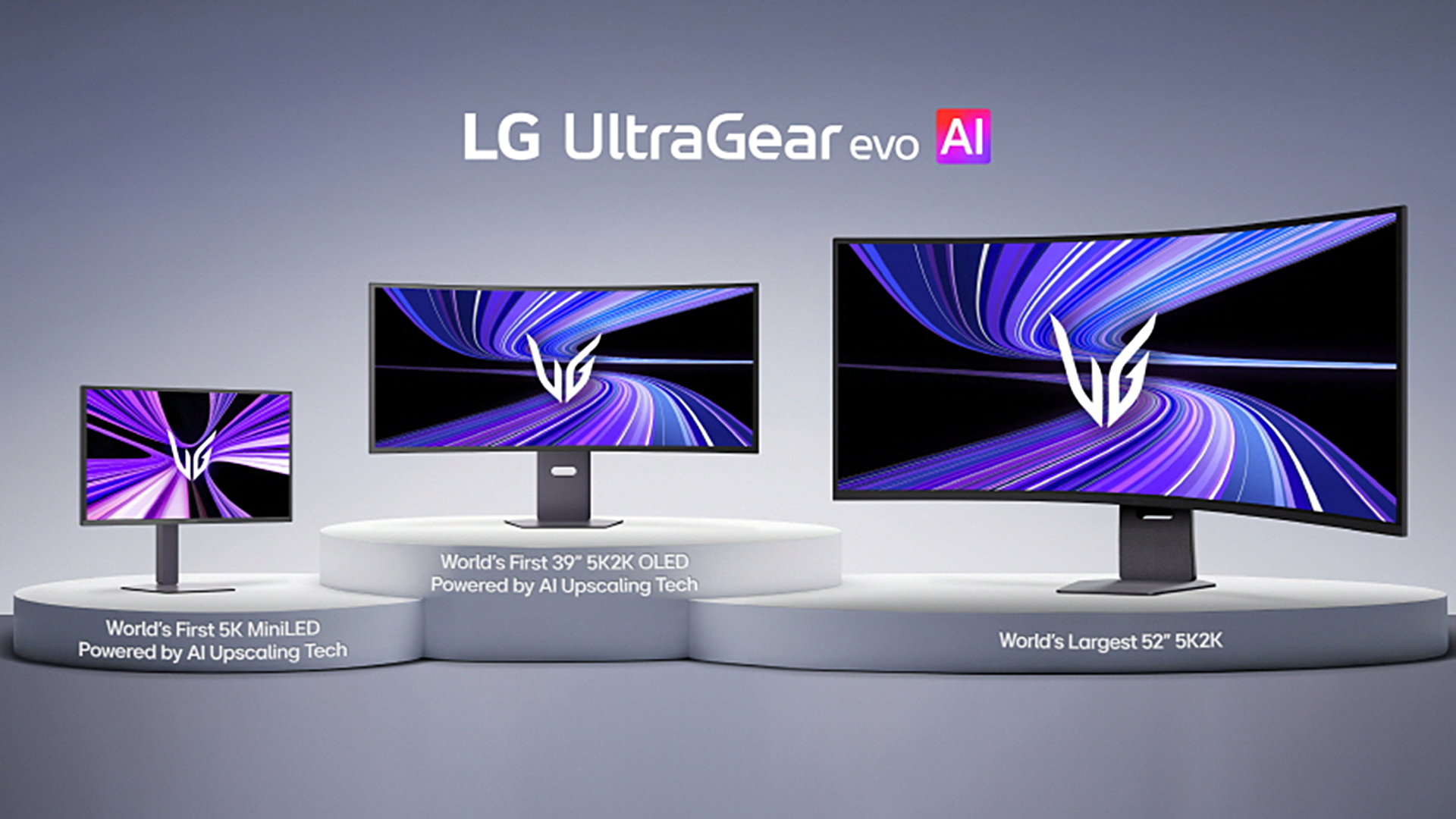
In 2026, the OLED gaming landscape is rapidly evolving. We're seeing a significant push towards larger OLED monitors, moving beyond traditional TV sizes to cater to desktop gamers who want an expansive, immersive field of view. Ultrawide and super-ultrawide OLED monitors are becoming more prevalent, offering incredible productivity and gaming experiences. Higher refresh rates beyond 120Hz, with some panels now reaching 240Hz or even 480Hz at lower resolutions, are becoming standard in premium models, pushing competitive gaming performance further. Portable OLED gaming devices, from handheld consoles to high-end tablets, are also gaining traction, reflecting the growing mobile dominance in gaming (a trend where nearly 60% of US gamers engage in mobile gaming). Furthermore, advances in panel technology are continually improving durability and brightness, addressing previous concerns. We're also seeing more robust integration of AI-powered upscaling and image processing, making games look sharper and smoother than ever before.
Is OLED worth it for casual gamers and those on a budget?
For casual gamers or those on a tighter budget, the question of whether is OLED the best for gaming becomes more nuanced. If your gaming sessions are infrequent, or if you primarily play less graphically demanding titles, the premium cost of an OLED might not offer the same "return on investment" as it would for a hardcore enthusiast. However, even casual gamers appreciate stunning visuals and smooth performance. The sheer immersion OLED provides can make your limited gaming time more impactful and enjoyable. If you prioritize visual fidelity above all else and are looking for a significant upgrade from an older display, saving up for an OLED could still be a worthwhile long-term investment. Consider refurbished options or last year's models, which often provide excellent value. Ultimately, "worth it" is subjective, but if you value picture quality and responsiveness, OLED can elevate any gaming experience, casual or otherwise.
Navigating the world of gaming displays can feel like a boss battle itself, especially when you're balancing life's demands with your passion for play. But hopefully, this guide has shed some light on the question: is OLED the best for gaming? With its unparalleled contrast, perfect blacks, lightning-fast response times, and vibrant colors, OLED technology offers a truly transformative gaming experience that's hard to beat. While burn-in concerns have largely been addressed and affordability continues to improve, it remains a premium choice that demands thoughtful consideration.
For the average US gamer, who values every moment spent in virtual worlds for relaxation, connection, or skill-building, an OLED display represents a significant upgrade. It delivers on the promise of immersive visuals and responsive performance without unnecessary hype, helping you optimize your setup for peak enjoyment. Make sure to choose a display that fits your specific needs, budget, and gaming habits. The right display can truly redefine your gaming journey, making those precious hours even more rewarding.
What's your biggest gaming challenge when it comes to display choices or hardware upgrades? Comment below!
What is the typical lifespan of an OLED gaming monitor?
Modern OLED gaming monitors and TVs typically have a lifespan of 5-10 years or more under normal usage, with pixel longevity continuously improving due to advanced protection technologies.
Does OLED support HDR content well for gaming?
Yes, OLED is exceptional for HDR gaming. Its perfect blacks and individual pixel luminance control allow for incredibly dynamic range and impactful highlights, making HDR content truly shine.
Is OLED better for console or PC gaming?
OLED benefits both console and PC gaming equally by providing superior visuals and responsiveness. Modern OLEDs support HDMI 2.1 features crucial for both current-gen consoles and high-end PCs.
Can I use an OLED TV as a PC gaming monitor?
Many gamers use OLED TVs as PC gaming monitors due to their large size and excellent features. Ensure your GPU supports HDMI 2.1 for optimal performance (4K 120Hz, VRR) and consider desk space.
Are there any downsides to OLED beyond potential burn-in?
Beyond burn-in, OLEDs generally have lower peak brightness compared to some high-end LED/Mini-LED displays, which can be a factor in very bright rooms. Also, prices can still be higher.
Do OLEDs consume more power than LCDs?
OLED power consumption varies. For dark content, OLEDs consume less power as pixels are off. For very bright or all-white content, they can consume more than comparable LCDs, but overall efficiency is good.
OLED offers superior contrast black levels and response times for gaming. Burn-in risk is reduced but still a consideration. Cost is higher but value is improving. Excellent for immersive experiences and competitive play. Balancing features with budget is key for busy gamers.
35


GIGABYTE Unveils Next Gen OLED Gaming Monitors At CES 2026 Gigabyte Next Gen Oled Gaming Monitors Ces 2026 1 . The Best OLED Gaming Monitors To Buy In 2026 TFTCentral Best Oled Gaming Monitors Thumbnail 2026 768x432 . The Best Budget OLED TVs You Can Buy In 2026 Tech The Best Budget Oled Tvs You Can Buy In 2026 5ryg.1200 . Best OLED TVs 2026 Top Picks For Stunning Picture Best Oled Tvs.webp. The Best OLED Gaming Monitors To Buy In 2026 TFTCentral Photo1 UltraGear GX9 45GX950A

11 Best OLED TVs For Gaming In 2026 RottenPanda Top Gaming Oleds 2026 Yxiha . Best OLED QD OLED Gaming Monitors 2026 Image. Best OLED TVs 2026 Top Picks For Picture Quality Gaming And Value Og. Best High Performance OLED TVs 2026 Top Picks Best High Performance Oled Tvs.webp. The Best OLED Gaming Monitors To Buy In 2026 TFTCentral 3

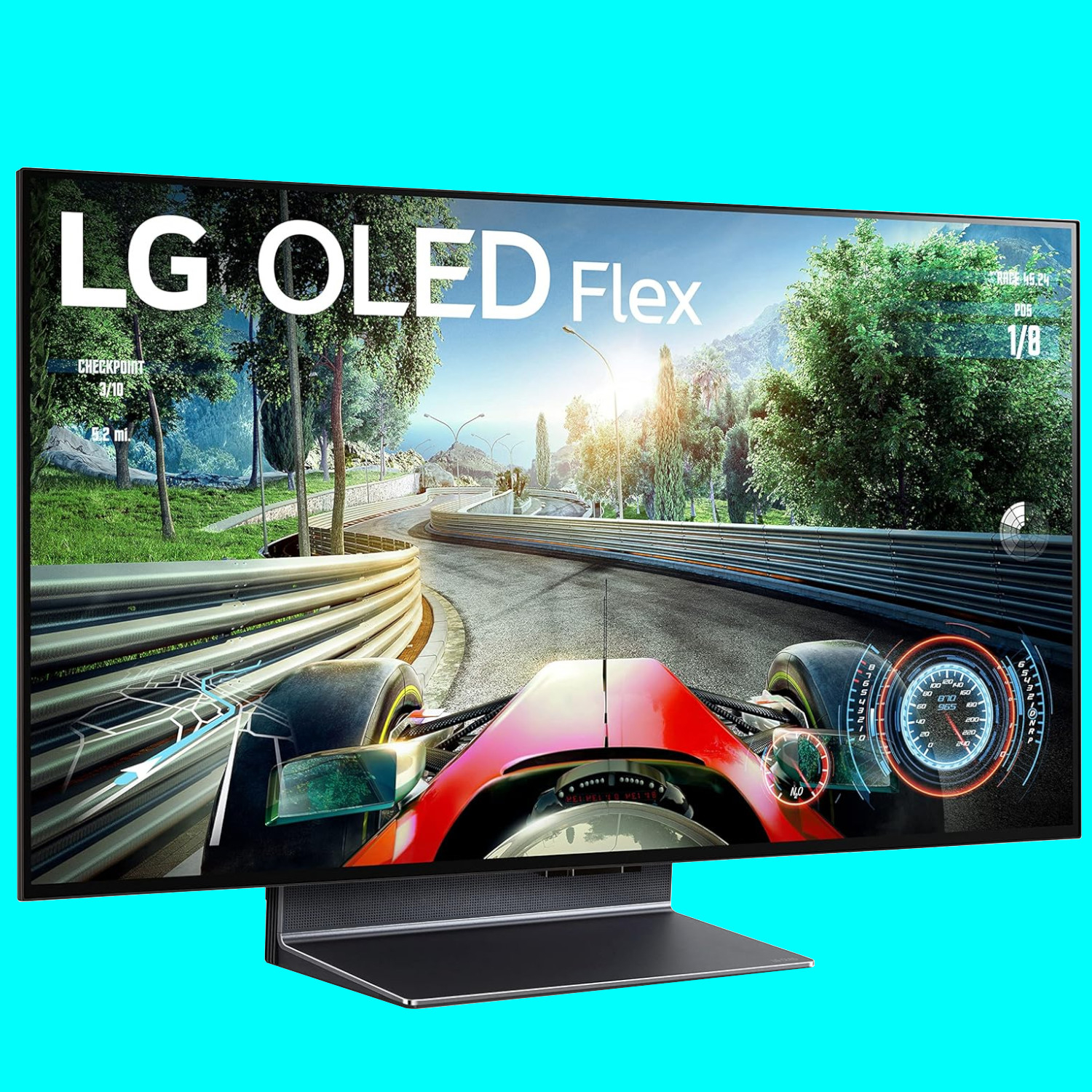
Gigabyte Presents OLED Monitors For 2026 V Stripe QD OLED New 4K 2 Large . The 7 Best TVs Of CES 2026 From Brighter OLEDs To Giant Next Gen RGB TVs. Best OLED Monitor For PC 2026 Top Picks And Buying Guide Comparatif Ecran Oled . First Impressions Of LG OLED W6 2026 Have We Seen The Best And Most Lg Oled Evo W6 First Tuch . Best OLED Gaming Monitors In 2024 I Can T Keep My Eyes Off These Vivid

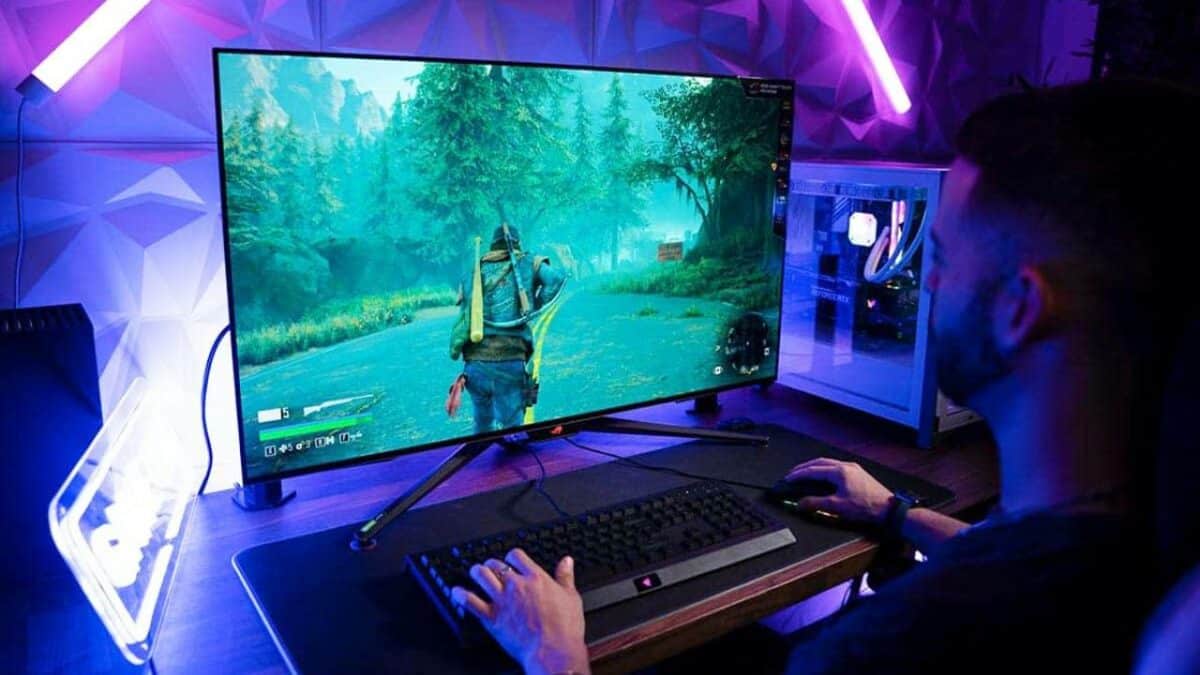


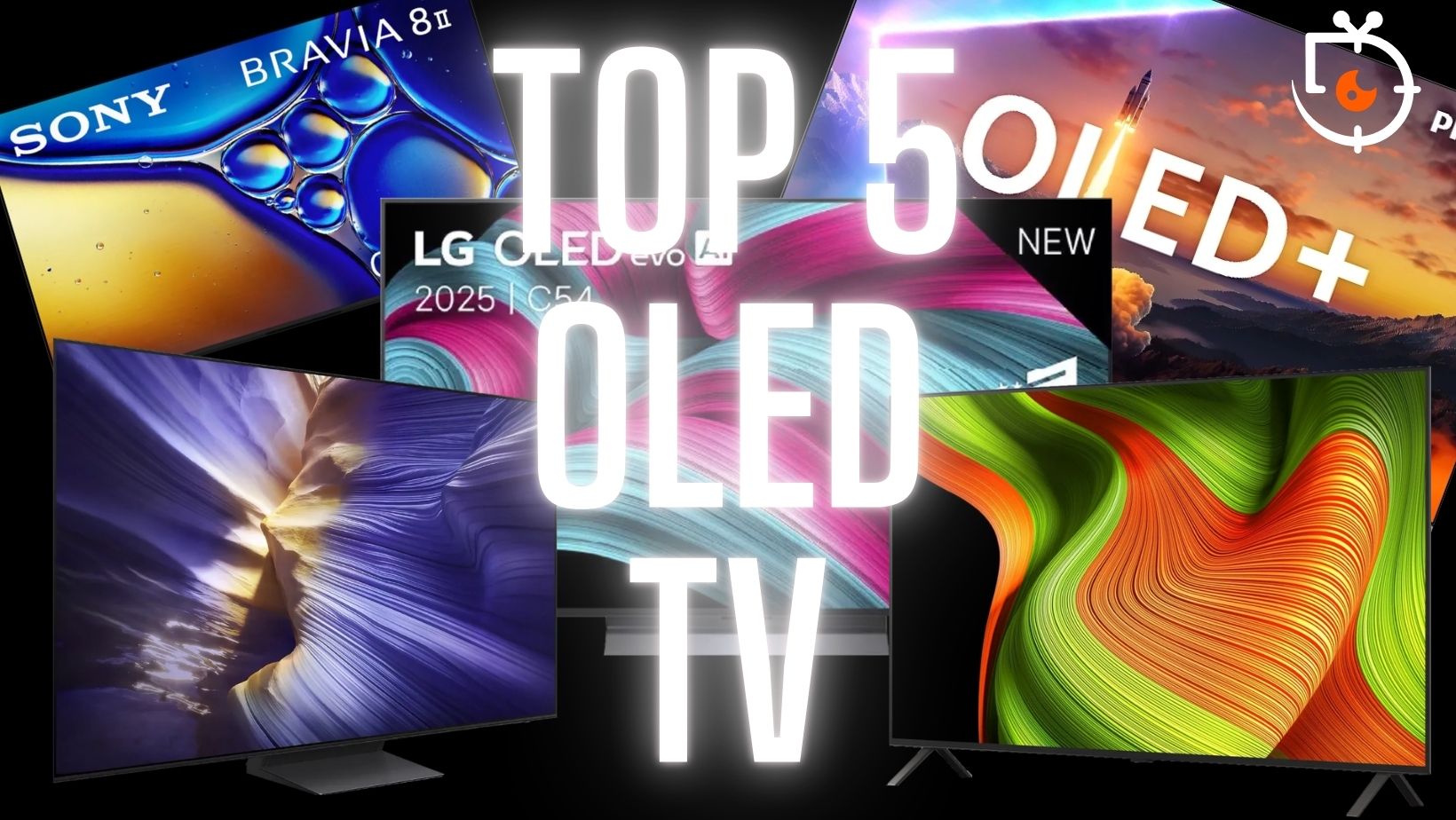
Best OLED TVs For Gaming In 2026 Latest Models Only WhalesDev TV PS5 Pro . Best OLED Gaming Monitors In 2024 4K 1440p 240Hz September Best OLED Monitor For Gaming 1200x675 . 9 Best OLED Gaming Monitors For All Budgets In 2026 Best Oled Gaming Monitor 1024x574 . 7 Best OLED TVs May 2026 Expert Reviews Buying Guide Best OLED TVs . The Best OLED TVs 2026 Which OLED TV To Buy Top 5 Oled Styczen Tv

10 Best OLED TV For Gaming June 2026 Tested For Gamers B0CVS18Z6R Customer 1 4 1152x1536 . Asus New 5K Gaming Monitor Is So High End It Doesn T Even Officially . ASUS Revives Dual Screen Gaming With The 2026 ROG Zephyrus Duo ASUS ROG Zephyrus Duo 2026 Dual Screen Gaming Laptop Announced 20260106 183007 . 10 Best OLED Gaming Monitors March 2026 Complete Guide Best OLED Gaming Monitors . CES 2026 Gaming Gear Best Monitors Laptops Accessories Asus Rog Zephyrus Duo


Best Cheap OLED TVs 2026 1 . Best OLED Gaming Monitors In 2026 I Can T Keep My Eyes Off These Vivid 320 80 . What Ryzen CPU Is Best For Gaming 2026 Be Gaming PC Guru Best Gaming Tvs For Xbox Series X Featured 400x250 . Why OLED Is The BEST For Gaming YouTube . 5 Best OLED Monitors For Gaming In 2026 Comparison And Review Best Oled Gaming Monitors


Best QD OLED TVs In 2026 Our Top Picks PC Guide Best OLED TV . Top 7 OLED TVs For The Best Gaming Experience In 2025 YouTube . 8 Best OLED Gaming Monitors Under 500 June 2026 Complete Guide Best OLED Gaming Monitors Under 500 . 10 Best OLED TV For Gaming June 2026 Tested For Gamers B0DXN7PBFC Customer 1 5 768x1822 . 10 Best OLED TV For Gaming June 2026 Tested For Gamers B0DYQGRHX3 Customer 2 768x576