Embark on an exciting journey into the world of Roblox playtesting. Discover how your valuable feedback can profoundly shape upcoming games making them truly exceptional. This comprehensive guide covers everything from finding playtesting opportunities to providing constructive insights ensuring your voice is heard. Learn why top developers actively seek community testers to refine their creations and optimize gameplay mechanics. Understand the growing trend of collaborative game development on Roblox where players are integral to success. Explore the various benefits for both testers and creators fostering a vibrant and innovative platform. Get ready to influence the next big Roblox hit and gain exclusive early access experiences today. This information is crucial for anyone looking to dive deep into Roblox game quality assurance.
Hey there, curious friend! So, you're wondering about playtesting on Roblox, right? Think of it like being a super important taste-tester for a brand-new restaurant. Before a game goes live for everyone to enjoy, developers invite folks like us to try it out. We get to poke around, find any weird glitches or things that aren't quite fun, and then tell the creators what we think. It's awesome because our feedback helps them polish the game, fix bugs, and make it the best it can be before the big launch. It basically means we get to help shape the games we love, getting early access and making a real difference. It's a win-win for everyone involved!
This is the ultimate living FAQ about playtesting on Roblox, meticulously updated for the latest platform changes and developer tools. We've delved deep into the nuances of effective feedback, common challenges, and the rewarding experience of contributing to game development. Whether you're a complete novice eager to get started or a seasoned tester looking to refine your approach, this guide covers it all. We aim to equip you with the knowledge and confidence to make a significant impact on the games you love. Consider this your go-to resource for navigating the exciting world of Roblox playtesting. Let's make some amazing games even better, together!
Most Asked Questions about Playtest Roblox
Getting Started with Playtesting
What is Roblox playtesting?
Roblox playtesting involves players trying out unreleased or in-development games to identify bugs, provide feedback on gameplay mechanics, and suggest improvements. It helps developers refine their creations, ensuring a higher quality and more enjoyable experience for the wider audience upon release. Players get exclusive early access.
How can I find playtesting opportunities on Roblox?
Finding playtesting opportunities often involves following developers on social media, joining their Discord servers, or checking Roblox game groups and forums. Developers frequently announce beta or alpha testing phases in these communities. Some popular games also have dedicated testing programs you can apply for, so stay vigilant!
What kind of feedback should I provide as a new playtester?
As a new playtester, focus on clear and concise bug reports: describe what happened, where it occurred, and how to reproduce it. Also, provide general impressions on whether the game is fun, confusing, or frustrating. Simple, honest feedback on core mechanics is incredibly valuable to developers.
Tips for Effective Feedback
How do I give constructive criticism without being negative?
When giving constructive criticism, always explain *why* something isn't working for you and offer a potential solution or alternative. For instance, instead of 'This level is boring,' try 'This level feels slow because of long empty stretches; perhaps adding more mini-objectives could boost engagement.' Focus on the game's improvement.
Should I report every tiny bug I find?
Yes, absolutely! While some bugs might seem minor, they can collectively impact the player experience. Report everything from visual glitches to broken mechanics. Developers appreciate thoroughness, as even small issues can lead to bigger problems if left unaddressed, ensuring a polished final product.
Advanced Playtesting Strategies
How can I test game balance effectively?
To test game balance effectively, try using different in-game strategies, character builds, or item combinations. Look for anything that feels overpowered, underpowered, or leads to an unfair advantage. Document specific scenarios where balance issues arise and suggest precise adjustments to abilities or stats.
What is 'stress testing' and should I do it?
Stress testing involves intentionally trying to push the game's limits to uncover performance bottlenecks or server stability issues. This might include rapidly spamming actions or gathering many players in one area. Only perform stress testing if the developer explicitly asks for it, as it can sometimes disrupt normal testing environments.
Creator's Corner: Utilizing Playtest Data
Why is playtesting crucial for game iteration?
Playtesting is crucial for game iteration because it provides real-world data and perspectives that developers often miss. It helps identify design flaws, unexpected player behaviors, and areas for improvement, enabling creators to refine mechanics and content based on genuine user experience before a full release.
How do developers use playtest feedback?
Developers use playtest feedback to prioritize bug fixes, adjust gameplay balance, enhance user interfaces, and even spark new content ideas. They analyze common themes in player reports and combine them with internal analytics to make informed decisions, ensuring the game aligns with player expectations and provides an engaging experience.
Bugs & Fixes
What should I do if I find a game-breaking bug?
If you encounter a game-breaking bug, immediately stop playing and document it thoroughly. Describe the exact steps to reproduce the bug, include screenshots or video if possible, and report it through the developer's designated feedback channel. This allows developers to quickly address critical issues impacting core gameplay.
Tips & Tricks
Any tips for getting invited to more playtests?
To get invited to more playtests, consistently provide high-quality, detailed, and constructive feedback. Engage positively within developer communities, be reliable, and respect confidentiality. Building a reputation as a thoughtful and trustworthy tester often leads to more exclusive opportunities and early access invitations.
Still have questions? Check out our other popular guides on Roblox Game Development Tips and Mastering Roblox Studio!Ever wondered how those amazing Roblox games get so polished before their big launch? What's the secret sauce behind a smooth, bug-free experience that keeps us coming back for more? The answer often lies with dedicated players like you who dive into the trenches of game development through playtesting. This isn't just about finding bugs; it's about shaping the very soul of a game before it hits the mainstream. We're talking about a crucial part of the game development cycle, helping creators turn good ideas into truly great experiences.
Playtesting on Roblox has become an increasingly vital component for successful game launches. It’s where genuine player interaction meets developer vision to create something special. From identifying glaring glitches to fine-tuning subtle gameplay mechanics, your input is invaluable. Getting involved means you become an insider, influencing the future of your favorite platform. Plus, it’s a fantastic way to discover new games before anyone else and even connect directly with their creators. Let's explore how you can become a part of this exciting process and make a real impact.
What Exactly is Roblox Playtesting?
Playtesting on Roblox is basically giving a game a test drive before it's fully released to the public. Developers invite players to try out their games, often in a beta or alpha stage. These players then provide feedback on everything from bugs and glitches to overall gameplay and user experience. It's a structured way for creators to gather real-world input and make improvements.
The goal is always to refine the game, ensuring it’s as fun, engaging, and stable as possible. This collaborative approach benefits everyone involved, leading to higher-quality games. Developers get critical insights, and players get to help shape the future of their favorite experiences. It really is a win-win situation for the whole Roblox community.
Why Playtesting Matters So Much on Roblox
Why do developers bother with playtesting? Well, imagine building a complex machine without anyone ever trying to use it until launch day. That's essentially what releasing a game without playtesting would be like, inviting unforeseen problems. Playtesting helps creators catch issues they might have missed, ensuring a smoother experience for millions of players. It also provides crucial insights into player retention strategies.
Moreover, **Roblox community feedback** is incredibly powerful for game iteration. It gives developers a direct line to their audience's desires and frustrations. This feedback loop is essential for building a loyal player base and ensuring long-term success. Early insights can dramatically improve a game's design, leading to better **player retention** and engagement. Playtesting is also often part of **early access programs**, generating hype and initial momentum before a full release.
How Does Playtesting Improve Game Development?
Playtesting plays a huge role in iterating game mechanics and overall design. It's not just about fixing bugs; it's about making the game more fun. Developers get to see how actual players interact with their creation in ways they never imagined. This helps them balance gameplay, optimize pacing, and even adjust difficulty levels. Your unique perspective as a player offers invaluable insight.
Through playtesting, creators can identify confusing elements or frustrating sections that deter players. This information guides them in making necessary adjustments, leading to a more intuitive and enjoyable experience. Ultimately, it ensures that the game resonates deeply with its target audience. This process refines the **game development cycle** substantially, making it more efficient.
How to Become a Roblox Playtester
So, you're ready to jump in and help shape the next big Roblox hit? That's awesome! Finding playtesting opportunities usually involves a few key strategies. Many developers use their social media channels, like Twitter or Discord servers, to announce testing phases. Joining game-specific communities is a fantastic way to stay in the loop.
Some larger developers might even have dedicated applications or **early access programs** for playtesters. Keeping an eye on popular Roblox forums and communities can also yield great results. It’s about being proactive and engaging with the developer community. Show them you're passionate and ready to provide thoughtful feedback!
Tips for Effective Playtesting and Providing Feedback
Alright, you've landed a playtesting gig – congrats! Now, how do you make your feedback truly useful? First off, always be clear and concise in your reports. Describe the issue, where it happened, and how to reproduce it if possible. Specific details are incredibly helpful to developers who are working hard to pinpoint problems and improve their game. Vague reports can be frustrating for them.
Secondly, try to offer constructive criticism, focusing on solutions or improvements rather than just complaints. Think about what made something difficult or less fun and suggest ways it could be better. Remember to also highlight things you enjoyed! Positive reinforcement encourages developers and helps them understand what’s working well. Your insights are shaping the future of that game.
Supporting LSI Keywords in Action
Regarding **Roblox community feedback**, remember that your input is a cornerstone of game evolution. Developers rely on this direct line to understand player sentiment and refine experiences. Without active testing and engagement, games risk alienating their player base. Your honest opinions are vital for creating a thriving game.
**Early access programs** aren't just for developers; they're a privilege for testers. They grant you exclusive sneak peeks and the chance to influence design. This engagement helps build hype and a dedicated community even before launch, ensuring a smoother transition to a wider audience. It's a special role you're playing.
Understanding the **game development cycle** helps you appreciate where your feedback fits in. You're not just finding bugs; you're helping shape fundamental design choices. Your input during alpha or beta phases directly impacts the final product, preventing costly redesigns later on. This makes your contribution incredibly valuable and impactful.
Effective playtesting directly contributes to better **player retention**. If a game is fun, fair, and relatively bug-free, players are more likely to stick around. Your feedback helps iron out those rough edges that might otherwise drive players away, leading to a healthier, more active game world. It's about building a better experience for everyone.
While not explicitly mentioned as an LSI, playtesting indirectly influences **monetization strategies**. A well-tested, engaging game is more likely to attract players willing to spend. By improving the core gameplay, testers help ensure the game's long-term financial viability and success, benefiting both creators and the platform itself. It's all connected.
Advanced Playtesting Strategies for Deep Dives
For those looking to go beyond basic bug reporting, consider adopting a more systematic approach. Try focusing on specific aspects during each playtest session, like combat mechanics, quest flow, or UI responsiveness. Document your findings meticulously, perhaps even recording your gameplay to provide visual evidence. This level of detail is a game-changer for developers and truly sets you apart.
Think critically about the game's core loop and whether it feels rewarding and balanced. Are there areas where the challenge spikes unfairly, or where progression feels too slow? Offering insights into these deeper design elements shows a keen understanding of game design principles. Your ability to articulate these complex observations will make you an invaluable tester. This is where you truly make a difference.
Beginner / Core Concepts
Let's kick things off with some fundamental questions that often pop up when you're just getting started with playtesting. Don't worry, we've all been there, wondering where to even begin. It's perfectly normal to feel a bit overwhelmed at first. But trust me, you've got this, and these answers will help clarify a lot for you.
1. **Q:** What is the most basic thing I should look for when playtesting a Roblox game?**A:** I get why this confuses so many people when they first start! The most basic thing you should always look for are obvious bugs or glitches. Think about things that just aren't working as intended, like if your character falls through the map, an item doesn't equip, or a button simply doesn't respond. These are critical issues that break the game experience. You'll want to clearly describe what happened, where it happened, and if you can, how to make it happen again, step-by-step. Don't forget to mention the device you're playing on and your internet connection speed. This foundational bug-finding is incredibly helpful to developers. Try focusing on these basic elements tomorrow and let me know how it goes. You've got this!2. **Q:** How do I submit feedback to a Roblox developer after playtesting a game?**A:** This one used to trip me up too, because there isn't one universal way! Developers usually have a preferred method for collecting feedback, so always check their instructions first. This could be a Discord server with a dedicated 'feedback' channel, a Google Form link they provide, or even a specific section on their Roblox group page. Sometimes, they might even want you to private message them directly. The key is to follow their guidelines carefully to ensure your feedback reaches them. If you can't find any instructions, a polite message on their public social media or Roblox group asking for the best way to submit feedback is a good starting point. This ensures your valuable insights don't get lost in the shuffle!3. **Q:** Is my feedback actually important, or do developers mostly ignore it?**A:** I totally understand why you might feel that way sometimes, but let me assure you, your feedback is incredibly important to dedicated developers! They invite playtesters specifically because they value outside perspectives. While they might not implement *every single suggestion*, they absolutely pore over bug reports and common themes in constructive criticism. It helps them see their game through fresh eyes, identify blind spots, and ultimately make a better product. Think of it like a chef tasting their own cooking versus having a friend try it. Both are important, but the friend's input offers a crucial outside perspective. Keep providing thoughtful feedback; it truly makes a difference!4. **Q:** Do I need special software or a powerful computer to playtest Roblox games effectively?**A:** This is a common concern, but generally, no, you don't need any special software beyond the Roblox client itself! As for a powerful computer, it really depends on the game you're testing. Most Roblox games are designed to be accessible on a wide range of devices, from older PCs to mobile phones. However, if you're testing a graphically intensive or very complex game, a decent modern PC or mobile device will give you a smoother experience and allow you to better spot performance issues. The most important 'tool' you need is a keen eye for detail and the ability to articulate your experiences clearly. Don't let your setup deter you; just be honest with developers about your device specs when reporting issues. You've got this!Intermediate / Practical & Production
Now that you've got the basics down, let's level up your playtesting game a bit. These questions dive deeper into the nuances of providing really impactful feedback and understanding the developer's perspective. It's about moving from just spotting obvious issues to truly contributing to game design.
1. **Q:** How can I provide 'constructive criticism' instead of just complaining about something I dislike?**A:** Oh, this is such a crucial skill, and it's something every great playtester masters! Instead of saying 'This level is boring,' try to break down *why* it feels boring. Is it too long? Are there not enough enemies? Is the objective unclear? Then, offer potential solutions. For example, 'The second level feels slow because there are long stretches with no action; perhaps adding more mini-objectives or interactive elements would keep players engaged.' Developers appreciate insights into the *root cause* of an issue and thoughtful suggestions for improvement. Always remember to be polite and objective; focus on the game, not your personal feelings. Practice this tomorrow, and you'll see how much more valuable your feedback becomes!2. **Q:** What kind of feedback is most valuable to a developer during different stages of game development (e.g., alpha vs. beta)?**A:** This is an excellent question and shows you're thinking like a seasoned tester! During an **alpha stage**, developers are typically looking for fundamental issues. Think game-breaking bugs, core mechanics that simply aren't fun, or major performance problems. They want to know if the foundation is solid. In the **beta stage**, the game is usually more stable. Here, developers are refining. They're looking for feedback on balancing, user experience flow, minor bugs, and overall polish. Are quests clear? Is the monetization fair? Are there quality-of-life improvements needed? Understanding the stage helps you tailor your feedback to be most impactful. It's like knowing whether to help build the house's frame or decorate the interior!3. **Q:** How do I report performance issues like lag or frame drops effectively to a developer?**A:** Reporting performance issues can be tricky, but it's super important, and I totally get why it's confusing sometimes! The best way is to be as specific as possible. Don't just say 'it lags.' Instead, note *when* the lag occurs: 'I noticed significant frame drops in the central hub area when five or more players were present.' Include your device specifications (CPU, GPU if applicable, RAM), operating system, and internet speed. If possible, mention your average FPS or any unusual spikes. Recording a short video clip can also be incredibly helpful. Developers need precise data to optimize their game, so the more details you can provide, the easier it is for them to diagnose and fix the problem. You're helping them make it silky smooth!4. **Q:** Should I test edge cases or try to break the game intentionally while playtesting?**A:** This is a fantastic question and speaks to the spirit of a true explorer! Yes, absolutely, within reasonable limits, you should test edge cases and try to uncover unexpected behaviors. Developers often test the 'happy path,' but players will always find novel ways to interact with a game. Trying to go out of bounds, spamming actions, or using items in unusual sequences can reveal critical bugs that might otherwise go unnoticed. The goal isn't malicious breakage, but rather a diligent exploration of the game's boundaries. Just be sure to clearly document *how* you managed to 'break' it so the developers can reproduce and fix the issue. This kind of diligent testing is incredibly valuable!5. **Q:** What's the best way to track my feedback to ensure developers see and potentially act on it?**A:** This is a smart move, keeping track of your contributions! The 'best' way largely depends on the developer's system. If they use a structured form (like Google Forms or a dedicated bug tracker), each submission usually has a record. On Discord, you can often search your own messages or check if developers react to your posts. For more serious or recurring issues, keep a personal log of your bug reports, including the date, a summary of the issue, and where you reported it. You can even include a screenshot or video link. This doesn't guarantee they'll act on every single item, but it ensures you're organized and have proof of your thoroughness. It also helps you avoid submitting duplicate reports!6. **Q:** Are there any tools or techniques that can help me be a more efficient playtester?**A:** You bet there are! Becoming more efficient makes your time and the developer's time more valuable. One great technique is **focused testing**: dedicate a session to only one aspect, like the combat system or the UI. Another is **scenario testing**: imagine a specific player (e.g., a new player, an experienced exploiter) and play from their perspective. For tools, using a screen recorder (like OBS Studio or built-in OS recorders) is invaluable for capturing bugs visually. A simple text editor or spreadsheet to log issues, along with timestamps, can keep you organized. Also, screenshot tools with annotation features (like Lightshot) are super handy for pointing out specific UI problems. These little tricks can significantly boost your playtesting prowess!Advanced / Research & Frontier
Alright, you're officially a playtesting pro! Now we're diving into the deep end, exploring high-level concepts and even looking at the future of player involvement in Roblox development. These questions are for those who want to truly master the art and science of playtesting.
1. **Q:** How can I assess a game's long-term retention potential during a playtest, beyond just finding bugs?**A:** This is where playtesting becomes an art form, and I totally get why it's a challenging one! To assess retention, you need to go beyond surface-level observations. Consider the core loop: is it addictive? Is there a clear progression system that makes players feel rewarded? Does the game offer sufficient variety to prevent burnout? Are social features well-integrated to encourage community? Think about the game's monetization strategies: do they feel fair or predatory? Observe yourself: do you *want* to keep playing, even after your testing session is over? Articulate these feelings and observations, providing suggestions for deeper engagement. This kind of high-level insight is gold for developers, helping them build experiences that last. You're really thinking like a game designer here!2. **Q:** What is 'telemetry' in the context of Roblox game playtesting, and how does it affect my role?**A:** Ah, telemetry! This is a fascinating area, and it's basically the silent data-gathering backbone of modern game development. Telemetry refers to the automatic collection of in-game data, like how long players spend in certain areas, what items they interact with, how often they die, or which quests they complete. As a playtester, it means developers aren't just relying on your written feedback; they're also getting objective data on your behavior. This doesn't diminish your role; it *enhances* it! Your qualitative feedback (what you felt, why something was buggy) combined with their quantitative data (where players drop off, what weapons are overused) creates a much more complete picture. So, keep playing naturally and giving honest feedback; the telemetry is there to validate and add context to your valuable insights. It's a powerful duo!3. **Q:** How can I effectively test a game's balance (e.g., character abilities, economy, difficulty) and provide actionable feedback?**A:** Balancing is one of the toughest nuts to crack in game development, so your input here is incredibly valuable! To effectively test balance, you need to approach it systematically. First, try playing with different character builds or strategies. Is one clearly overpowered or underpowered? For economy, try to exploit it: can you gain currency too quickly or too slowly? For difficulty, pay attention to spikes or dips in challenge. Then, when reporting, don't just say 'X is too strong.' Instead, explain *why* it feels strong: 'Character A's ability deals too much damage relative to its cooldown, making other characters feel obsolete in PvP.' Provide comparative data or suggest specific numerical adjustments. This level of detail empowers developers to make precise changes. This is where your critical thinking truly shines!4. **Q:** What ethical considerations should I keep in mind as a Roblox playtester, especially concerning unreleased content?**A:** This is a super important question, and it shows great maturity to ask it! The primary ethical consideration is **confidentiality**. When you're playtesting an unreleased game, you're often under a Non-Disclosure Agreement (NDA), whether explicit or implied. This means you absolutely should NOT share screenshots, videos, or details about the game publicly without the developer's explicit permission. Leaking content can severely damage a developer's launch plans, create false hype, or spoil surprises. Always treat unreleased content with respect and discretion. Beyond that, be honest in your feedback, avoid trying to crash servers intentionally (unless specifically asked to stress test), and maintain a respectful tone. You're part of a trusted team!5. **Q:** How can playtesting contribute to a game's long-term community building and overall success on the Roblox platform?**A:** Playtesting is surprisingly central to long-term community building and success, and it's something I wish more people understood! By involving players early, developers foster a sense of ownership and investment. Testers often become the game's first advocates, spreading positive word-of-mouth and building a core community even before launch. Their feedback directly leads to a higher-quality, more enjoyable game, which in turn attracts and retains more players. When players feel heard and see their suggestions implemented, it strengthens their bond with the game and the creators. This creates a positive feedback loop, turning early testers into dedicated community members who champion the game's longevity. It's a powerful way to kickstart a thriving ecosystem!Quick Human-Friendly Cheat-Sheet for This Topic
Okay, let's wrap this up with some super quick, easy-to-remember tips for your Roblox playtesting adventures. Think of these as your go-to reminders when you're jumping into a new game to test it out!
- Always check the developer's specific instructions for submitting feedback; don't guess!
- Focus on clarity: describe what happened, where, and how to reproduce any issues.
- Offer solutions, not just problems. Think 'how could this be better?'
- Test beyond the obvious; try to break the game in clever, documented ways.
- Keep confidentiality sacred for unreleased games – no leaks!
- Be specific about your device and internet connection when reporting performance issues.
- Remember, your honest, thoughtful feedback genuinely helps developers make better games.
Roblox playtesting offers early access to new games. It allows players to provide crucial feedback directly to developers. Playtesters help identify bugs and improve game mechanics. Developers gain insights for game refinement and better user experience. It fosters a stronger community connection between creators and players. Playtesting is essential for game quality assurance and successful launches. It is a win-win for both the Roblox community and game creators.
34



Definitive Guide To Roblox 2026 TM 07169 Definitive Guide To Roblox 2026 . How To Message On Roblox 2026 A Quick Guide SL1500 . What Is The Roblox Assessment Experience On Reddit Oar2 . 15 Game Roblox Horror Terbaik 2026 15 Game Roblox Horror Terbaik 2026 Paling Seram And Bikin Deg Degan 7f944699ce . How To Publish A Game On Roblox In 2026 Roblox YouTube




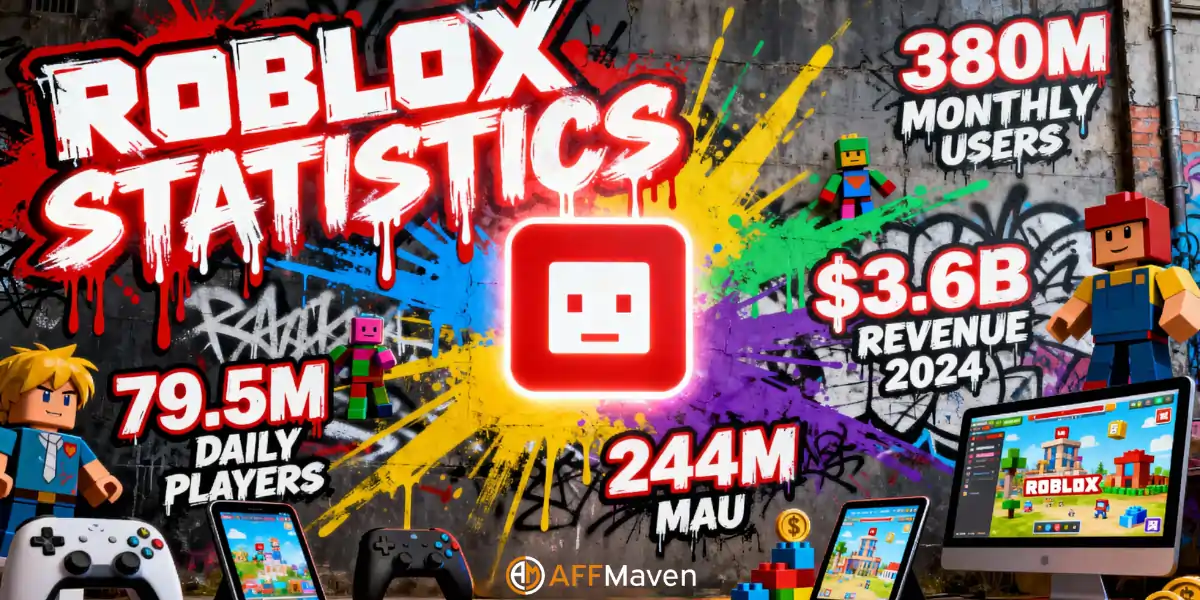
Who Is Mgigi203 On Roblox And What Are They Doing In 2026 . Co Si Zmieni O W Roblox W 2026 Roku Przewodnik Dla Rodzic W Post 155295 Pl . Roblox 2026 Logo REVEALED New Color New Look YouTube Maxres2 . Roblox 2026 NEW LOOK The Biggest Update Ever YouTube Maxres2 . Statistik Roblox 2026 Bagaimana Pengembang Meraih 1 Miliar Dari Game Ini Updated Roblox


Roblox Creator Roadmap 2026 Weuyvcb Vcdwyshetr. How Many People Play Roblox Daily Its Global Reach Explored. 5 Most Popular Games In Roblox 2026 Image. A Roblox Movie 2026 Teaser Trailer Realtime YouTube Live View . Roblox 2026 News Age Russia Ban Updates Game Codes.webp


A Mother Or Father S Information To Utilizing Roblox In 2026 Ivugangingo 2026 Parental Guide For Roblox Usage UnicMinds . Who Is Evanca9 Roblox And What S Their Gaming Journey Roblox Appstore . VPN Roblox Terbaik 2026 Keamanan Dan Akses Tanpa Batas Untuk Pemain VPN Roblox 2026 Terbaik Melindungi Privasi Dan Akses Tanpa Batas 3756ba1bbf . Roblox In 2026 Play On Roblox NoFilter. Roblox Dress To Impress Tokyo Codes April 2026



What Are The Biggest Items In Roblox Worlds For 2026 . How To Message On Roblox 2026 A Quick Guide . Roblox 2026 Insider Reveals Platform Evolution Safety . Roblox Total Games How Many Experiences Exist The 8 Most Popular Roblox Games In 2025 . Is Roblox Down January 10 2026 Roblox Down DesignTAXI Image


Exploring Roblox Games For 2026 What Makes Them Popular Best Roblox Games 2023 Feature Image . GameJobId Roblox Explained What Is It Maxres2 . How To Join Roblox Players Seamlessly A 2026 Guide Roblox Press Image 1 . How To Join 4 Loop Playtest Roblox Vs Steam 768x432 . Playtest Of Our Roblox Game Itch Io V5HVub


Top Most Popular Roblox Games In 2026 Top Most Popular Roblox Games In 2026 148580.webp. Top 10 Games Like Roblox To Play In 2026 1v9 Games Like Roblox. TOP 10 Roblox Games 2026 Halaman 1 Kompasiana Com Roblox Image . Game Roblox Terbaik Untuk Mabar Rekomendasi Seru 2026 SuperNews Game Roblox Terbaik Untuk Mabar Rekomendasi Seru 2026 1536x864