Ever wondered if Steam is the actual host behind your favorite multiplayer games? This comprehensive guide for US gamers unravels the complexities of game server hosting within the Steam ecosystem. We'll clarify whether Steam directly hosts game servers, or if it facilitates other models like dedicated servers, community-run options, and peer-to-peer connections. For busy players balancing life with gaming, understanding these distinctions is key to optimizing performance, reducing lag, and ensuring stable, enjoyable online sessions. Discover practical tips for finding the best servers, troubleshooting common connection issues, and even exploring options for hosting your own server. This resource provides crucial insights to enhance your multiplayer experience, allowing you to make the most of your valuable gaming time and connect seamlessly with friends and the wider community, all without unnecessary hype or technical jargon.
Related games- Guide to All in One Touchscreen PCs for Gamers 2026
- Guide To Billie Eilish Roblox Codes Get Free Items Now
- Guide: Fix Roblox Downland Issues & Play Faster Now
- Guide to Roblox Promo Codes 2026 Get Free Items Now
- Guide: Understanding Roblox Hood Memes Quickly
What Exactly is a Game Server and Why Does it Matter to My Online Experience?
A game server is essentially a centralized computer that runs the game logic and manages all player interactions in a multiplayer environment. Think of it as the brain of your online session. When you play online, your computer (the client) sends actions to the server (like moving your character or firing a weapon), and the server processes these actions, updates the game world, and sends that information back to all connected players. Without a robust server, you’d experience desynchronization, lag, and constant disconnects. For US gamers who prioritize smooth, competitive play or uninterrupted social sessions, a stable server is the foundation of a good time. It determines your ping, the number of players supported, and the overall reliability of your multiplayer experience, directly impacting your ability to relax and enjoy the game after a long day.
Does Steam Directly Host Game Servers for All Its Titles?
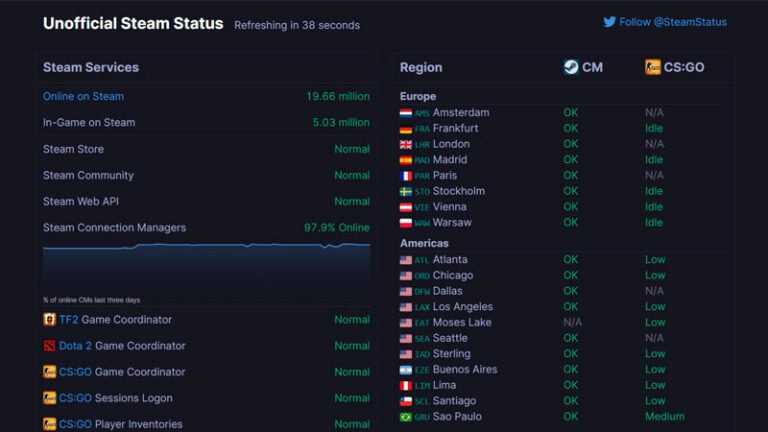
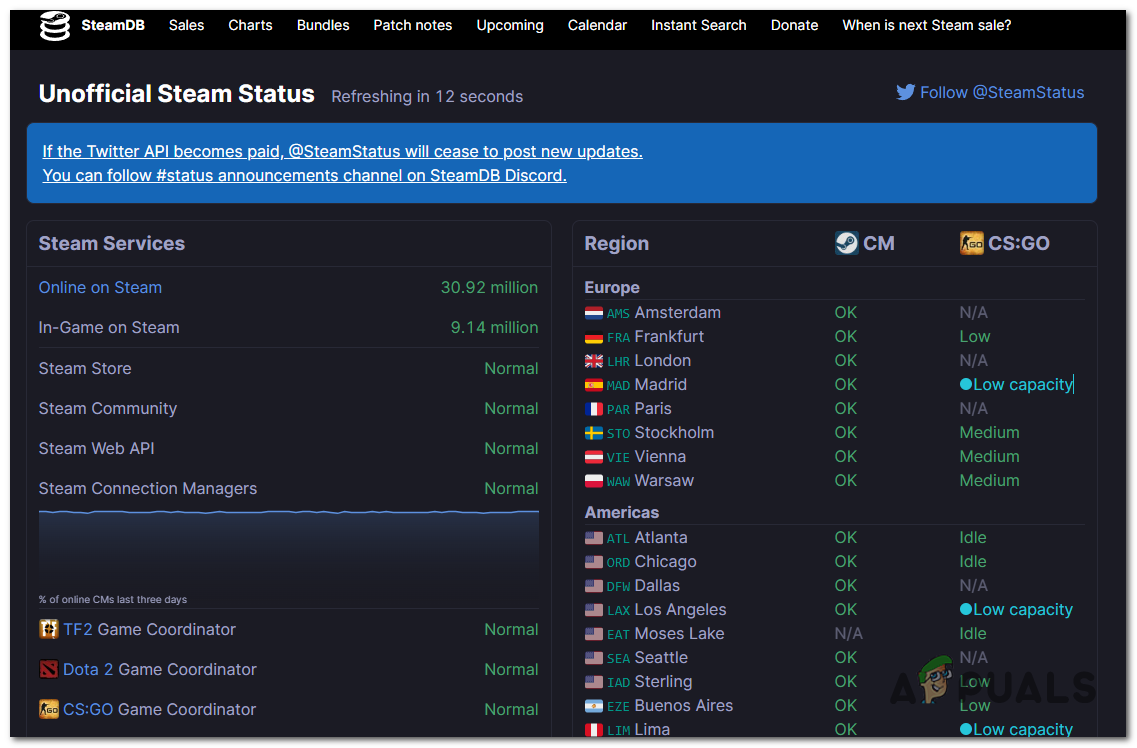
This is a common misconception! The short answer is: no, Steam does not directly host game servers for *all* its titles. While Valve, the company behind Steam, does operate servers for its own games (like CS:GO, Dota 2, Team Fortress 2), and provides essential backend services like matchmaking and anti-cheat (Steamworks), the vast majority of third-party games on Steam rely on other hosting solutions. These can include dedicated servers run by the game's developer/publisher, community-hosted servers by players, or peer-to-peer (P2P) connections directly between players. Steam acts more as a digital storefront and a platform for launching games and connecting players, rather than a universal server farm for every single game in its library. Understanding this distinction is key to troubleshooting server issues and finding optimal online experiences.
How Do Most Multiplayer Games on Steam Handle Their Server Infrastructure?
Most multiplayer games on Steam employ one of three primary server models:
Dedicated Servers: These are typically run by the game developer/publisher or a third-party Game Server Provider (GSP). They offer stability, high player counts, and consistent performance, often spread across various geographical regions to minimize latency for players. Many popular competitive titles like Apex Legends or Call of Duty utilize this model.
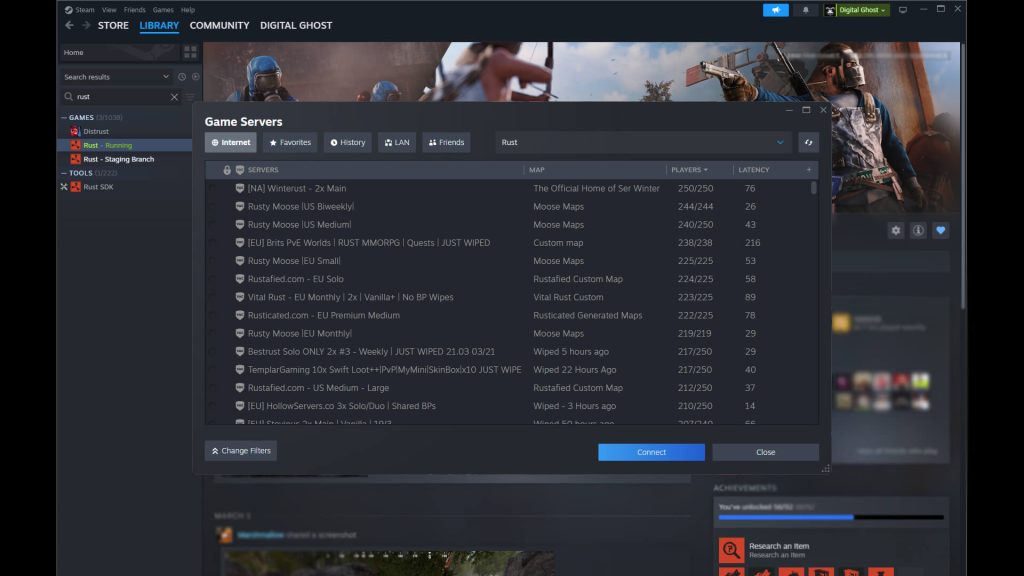
Community-Hosted Servers: For many games, especially those with strong modding scenes or survival genres like ARK: Survival Evolved or Rust, players can rent or run their own dedicated servers. These offer customizability and a sense of community control, visible through in-game server browsers.
Peer-to-Peer (P2P): In this model, one player acts as the host, and other players connect directly to their computer. P2P is common for smaller co-op games or titles where lower latency isn't paramount. While simple to set up, the host's internet connection and hardware dictate the stability for everyone, and if the host leaves, the game might migrate to another player or end. Steam's backend often facilitates the initial P2P connection, but doesn't host the actual game session.
The choice of model significantly impacts your online stability and overall multiplayer experience.
What Are the Key Differences and Benefits Between Dedicated Servers and Peer-to-Peer Connections?
When it comes to multiplayer gaming on Steam, the choice between dedicated servers and peer-to-peer (P2P) connections profoundly impacts your experience, especially for busy gamers looking for reliability.
Dedicated Servers:
Benefits: Superior stability, higher player capacity, consistent performance independent of any single player's connection, persistent worlds (server runs 24/7), better anti-cheat capabilities, and typically lower ping due to optimized hosting locations. Ideal for competitive play, large-scale battles, or long-term social gaming.
Drawbacks: Can be costly for developers to maintain, leading to fewer regional options or crowded servers. Players usually have less control over server settings unless they rent their own.
Peer-to-Peer (P2P):
Benefits: Easier and cheaper for developers to implement as they don't need to maintain server infrastructure. Allows players to jump into games quickly with friends without needing external servers. Great for small co-op sessions or casual play.
Drawbacks: Highly dependent on the host's internet connection and PC performance. If the host lags, everyone lags. If the host leaves, the session might end or experience a "host migration" which causes interruptions. More susceptible to cheating since the host has more control.
For gamers balancing life and play, dedicated servers generally offer a more consistent and frustration-free experience, minimizing the chances of a session-ending crash due to a flaky host.
How Can I Effectively Find and Join the Best Game Servers on Steam for My Favorite Titles?
Finding the right server on Steam can make or break your multiplayer experience. Here’s how you can do it:
In-Game Server Browser: Many games, especially those with community servers like Rust, ARK, or older titles like Counter-Strike 1.6, have an integrated server browser. This is usually found in the multiplayer or "Play Game" menu and allows you to filter by ping, player count, map, game mode, and even specific keywords. Always sort by lowest ping first to prioritize connection quality.
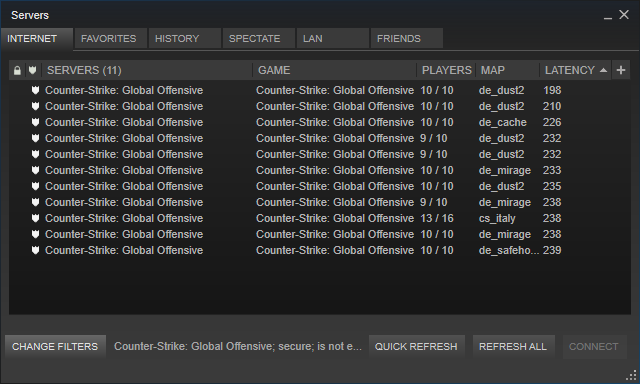
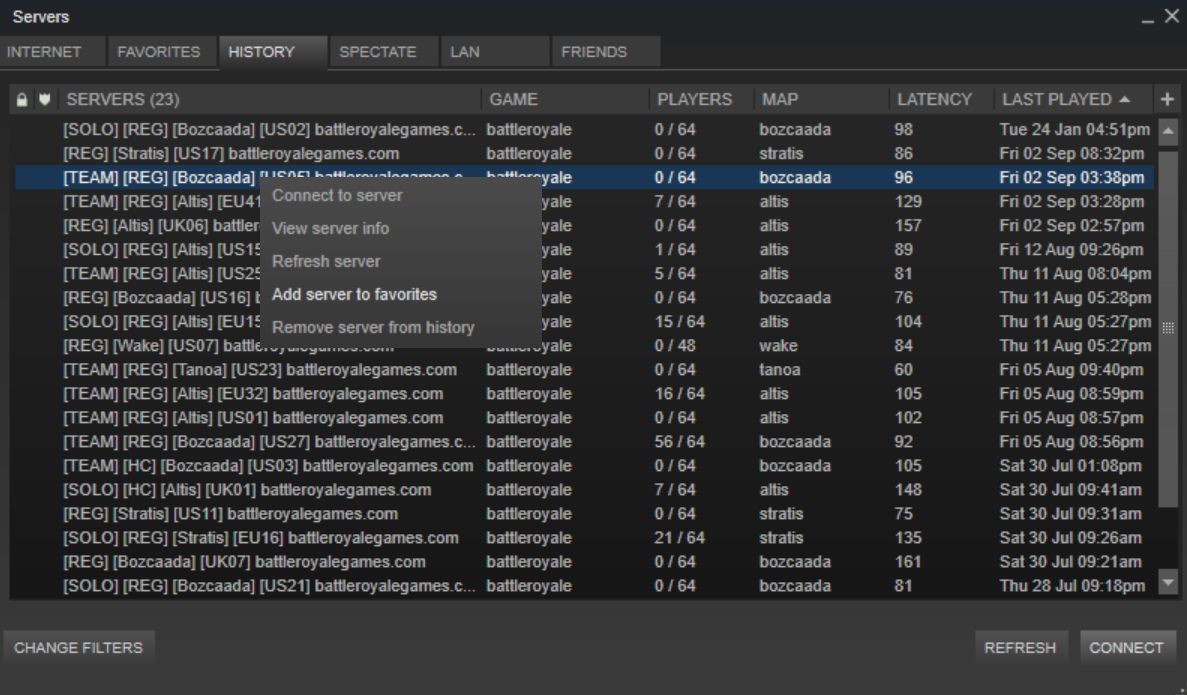
Steam's "View Servers" Feature: For some games, you can access a global server list directly through Steam. Go to "View" > "Servers" in the Steam client. From there, you can filter by game, map, number of players, and ping. This is particularly useful for finding community-run servers that might not always show up prominently in-game.
Friends and Community Groups: If your friends are already playing on a specific server, simply join them! Steam's "Join Game" feature via the friends list is the easiest way. Additionally, check game-specific Discord servers, Reddit communities, or official forums. Players often post about well-run community servers there.
Game Server Providers (GSPs): If you're looking for a specific type of server or want to host your own, GSPs like Nitrado, Survival Servers, or HostHavoc specialize in providing high-performance, low-latency servers for popular Steam titles. They often have web panels for easy management and offer different regional options.
Always prioritize servers with low ping that are geographically closer to you for the smoothest gameplay, crucial for a relaxing session after a demanding day.
Is It Possible to Host My Own Dedicated Game Server for a Steam Game, and How Involved Is It?
Yes, absolutely! For many popular Steam games, it is entirely possible to host your own dedicated game server. This is a fantastic option for gamers who want full control over their multiplayer environment, whether it's for playing exclusively with friends, testing mods, or creating a persistent world. The process varies significantly by game, but generally involves these steps:
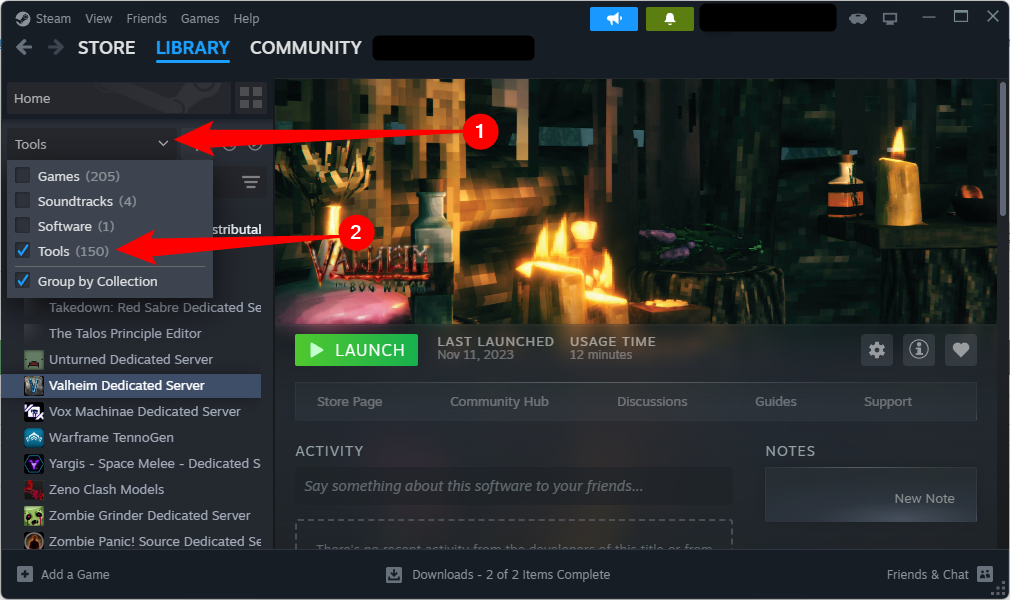
Check for Official Server Tools: Many developers release dedicated server tools for their games via SteamCMD (Steam Command Line Utility). This is a console-based client that lets you download game server files directly from Steam without installing the full game client. You'll need to look up the specific AppID for your game's dedicated server.
Hardware and Internet Requirements: Hosting a server requires a computer (it can be your gaming rig if powerful enough, or a separate dedicated machine) with sufficient RAM, CPU, and storage. Crucially, you'll need a stable internet connection with good upload speed. Bandwidth requirements scale with player count.
Network Configuration (Port Forwarding): To allow external players to connect to your server, you'll almost certainly need to configure port forwarding on your router. This tells your router to direct incoming game traffic to your server computer. This can be a bit tricky for beginners but many online guides exist.
Configuration Files: Once the server files are downloaded, you'll typically edit configuration files (usually .ini or .cfg files) to set server name, password, game mode, rules, and any desired mods. This is where you truly customize your experience.
Launching and Monitoring: You'll usually launch the server via a batch file or a dedicated server application. Monitoring tools can help you keep an eye on performance and connected players.
While it requires some technical know-how and initial setup time, hosting your own server offers unmatched control and a lag-free experience for your chosen players, making it well worth the effort for those who enjoy tinkering and a truly personalized gaming space.
What Role Do Game Server Providers (GSPs) Play in the Steam Ecosystem, and Are They Worth It?
Game Server Providers (GSPs) are third-party companies that specialize in hosting dedicated game servers for rent. They play a significant role in the Steam ecosystem by offering an accessible, often more convenient alternative to self-hosting for many popular multiplayer titles. GSPs essentially do all the heavy lifting for you:
Managed Hosting: They provide the hardware, network infrastructure, and often the software stack required to run a game server 24/7. This means you don't need a powerful home PC constantly running or a robust internet connection solely for hosting.
Ease of Use: Most GSPs offer user-friendly web control panels, allowing you to easily manage server settings, install mods, apply updates, and restart your server with just a few clicks. This is a huge benefit for busy gamers who don't have hours to spend on complex network configurations.
Performance and Reliability: GSPs typically have high-performance servers located in professional data centers with excellent uptime and bandwidth. They often provide DDoS protection and optimized network routes, resulting in lower ping and a more stable experience for players.
Support: Reputable GSPs offer technical support to help you troubleshoot issues or get your server configured. This can be invaluable if you're not an IT expert.
Are they worth it? For many US gamers who value their time and want a reliable, hassle-free dedicated server experience for games like Minecraft, ARK, Valheim, or Rust, GSPs are absolutely worth the monthly fee. They eliminate the complexities of self-hosting, ensuring that your precious gaming sessions are smooth, fun, and exactly how you want them, without the technical headaches.
Ever been in the middle of an epic boss battle or a nail-biting clutch moment in your favorite online game, only for the connection to stutter, lag out, or worse, drop entirely? You are not alone. For many US gamers, particularly the 87% who game regularly and spend an average of 10+ hours a week unwinding with their digital escapes, stable multiplayer performance is paramount. We juggle jobs, families, and life's endless to-do lists, making every minute of gaming precious. When we finally sit down to relax, connect with friends, or hone our skills, frustrating server issues can quickly turn fun into frustration. This often leads to a fundamental question: does Steam host game servers directly, and if not, how do our beloved multiplayer experiences actually work? Understanding the mechanics behind where and how your game connects can make a huge difference in your online adventures.
Many of us assume that because we launch a game through Steam, Valve must be running all the servers. The reality is a bit more nuanced, and knowing the truth empowers you to troubleshoot problems, find better connections, and even set up your own dedicated space. In this comprehensive guide, we're cutting through the tech jargon to provide clear, actionable insights for the busy gamer. We’ll explore the different types of game servers, Steam's true role in the ecosystem, and how you can optimize your multiplayer experience, whether you're diving into a social co-op game, a competitive FPS, or exploring a vast open world with buddies. Get ready to banish lag, improve stability, and get back to what matters most: enjoying your game time to the fullest.
What Exactly Is a Game Server and Why Does It Matter to My Online Experience?
A game server is essentially a centralized computer that runs the game logic and manages all player interactions in a multiplayer environment. Think of it as the brain of your online session. When you play online, your computer (the client) sends actions to the server (like moving your character or firing a weapon), and the server processes these actions, updates the game world, and sends that information back to all connected players. Without a robust server, you’d experience desynchronization, lag, and constant disconnects. For US gamers who prioritize smooth, competitive play or uninterrupted social sessions, a stable server is the foundation of a good time. It determines your ping, the number of players supported, and the overall reliability of your multiplayer experience, directly impacting your ability to relax and enjoy the game after a long day.
Does Steam Directly Host Game Servers for All Its Titles?
This is a common misconception! The short answer is: no, Steam does not directly host game servers for *all* its titles. While Valve, the company behind Steam, does operate servers for its own games (like CS:GO, Dota 2, Team Fortress 2), and provides essential backend services like matchmaking and anti-cheat (Steamworks), the vast majority of third-party games on Steam rely on other hosting solutions. These can include dedicated servers run by the game's developer/publisher, community-hosted servers by players, or peer-to-peer (P2P) connections directly between players. Steam acts more as a digital storefront and a platform for launching games and connecting players, rather than a universal server farm for every single game in its library. Understanding this distinction is key to troubleshooting server issues and finding optimal online experiences.
How Do Most Multiplayer Games on Steam Handle Their Server Infrastructure?
Most multiplayer games on Steam employ one of three primary server models:
Dedicated Servers: These are typically run by the game developer/publisher or a third-party Game Server Provider (GSP). They offer stability, high player counts, and consistent performance, often spread across various geographical regions to minimize latency for players. Many popular competitive titles like Apex Legends or Call of Duty utilize this model.
Community-Hosted Servers: For many games, especially those with strong modding scenes or survival genres like ARK: Survival Evolved or Rust, players can rent or run their own dedicated servers. These offer customizability and a sense of community control, visible through in-game server browsers.
Peer-to-Peer (P2P): In this model, one player acts as the host, and other players connect directly to their computer. P2P is common for smaller co-op games or titles where lower latency isn't paramount. While simple to set up, the host's internet connection and hardware dictate the stability for everyone, and if the host leaves, the game might migrate to another player or end. Steam's backend often facilitates the initial P2P connection, but doesn't host the actual game session.
The choice of model significantly impacts your online stability and overall multiplayer experience.
What Are the Key Differences and Benefits Between Dedicated Servers and Peer-to-Peer Connections?
When it comes to multiplayer gaming on Steam, the choice between dedicated servers and peer-to-peer (P2P) connections profoundly impacts your experience, especially for busy gamers looking for reliability.
Dedicated Servers:
Benefits: Superior stability, higher player capacity, consistent performance independent of any single player's connection, persistent worlds (server runs 24/7), better anti-cheat capabilities, and typically lower ping due to optimized hosting locations. Ideal for competitive play, large-scale battles, or long-term social gaming.
Drawbacks: Can be costly for developers to maintain, leading to fewer regional options or crowded servers. Players usually have less control over server settings unless they rent their own.
Peer-to-Peer (P2P):
Benefits: Easier and cheaper for developers to implement as they don't need to maintain server infrastructure. Allows players to jump into games quickly with friends without needing external servers. Great for small co-op sessions or casual play.
Drawbacks: Highly dependent on the host's internet connection and PC performance. If the host lags, everyone lags. If the host leaves, the session might end or experience a "host migration" which causes interruptions. More susceptible to cheating since the host has more control.
For gamers balancing life and play, dedicated servers generally offer a more consistent and frustration-free experience, minimizing the chances of a session-ending crash due to a flaky host.
How Can I Effectively Find and Join the Best Game Servers on Steam for My Favorite Titles?
Finding the right server on Steam can make or break your multiplayer experience. Here’s how you can do it:
In-Game Server Browser: Many games, especially those with community servers like Rust, ARK, or older titles like Counter-Strike 1.6, have an integrated server browser. This is usually found in the multiplayer or "Play Game" menu and allows you to filter by ping, player count, map, game mode, and even specific keywords. Always sort by lowest ping first to prioritize connection quality.
Steam's "View Servers" Feature: For some games, you can access a global server list directly through Steam. Go to "View" > "Servers" in the Steam client. From there, you can filter by game, map, number of players, and ping. This is particularly useful for finding community-run servers that might not always show up prominently in-game.
Friends and Community Groups: If your friends are already playing on a specific server, simply join them! Steam's "Join Game" feature via the friends list is the easiest way. Additionally, check game-specific Discord servers, Reddit communities, or official forums. Players often post about well-run community servers there.
Game Server Providers (GSPs): If you're looking for a specific type of server or want to host your own, GSPs like Nitrado, Survival Servers, or HostHavoc specialize in providing high-performance, low-latency servers for popular Steam titles. They often have web panels for easy management and offer different regional options.
Always prioritize servers with low ping that are geographically closer to you for the smoothest gameplay, crucial for a relaxing session after a demanding day.
Is It Possible to Host My Own Dedicated Game Server for a Steam Game, and How Involved Is It?
Yes, absolutely! For many popular Steam games, it is entirely possible to host your own dedicated game server. This is a fantastic option for gamers who want full control over their multiplayer environment, whether it's for playing exclusively with friends, testing mods, or creating a persistent world. The process varies significantly by game, but generally involves these steps:
Check for Official Server Tools: Many developers release dedicated server tools for their games via SteamCMD (Steam Command Line Utility). This is a console-based client that lets you download game server files directly from Steam without installing the full game client. You'll need to look up the specific AppID for your game's dedicated server.
Hardware and Internet Requirements: Hosting a server requires a computer (it can be your gaming rig if powerful enough, or a separate dedicated machine) with sufficient RAM, CPU, and storage. Crucially, you'll need a stable internet connection with good upload speed. Bandwidth requirements scale with player count.
Network Configuration (Port Forwarding): To allow external players to connect to your server, you'll almost certainly need to configure port forwarding on your router. This tells your router to direct incoming game traffic to your server computer. This can be a bit tricky for beginners but many online guides exist.
Configuration Files: Once the server files are downloaded, you'll typically edit configuration files (usually .ini or .cfg files) to set server name, password, game mode, rules, and any desired mods. This is where you truly customize your experience.
Launching and Monitoring: You'll usually launch the server via a batch file or a dedicated server application. Monitoring tools can help you keep an eye on performance and connected players.
While it requires some technical know-how and initial setup time, hosting your own server offers unmatched control and a lag-free experience for your chosen players, making it well worth the effort for those who enjoy tinkering and a truly personalized gaming space.
What Role Do Game Server Providers (GSPs) Play in the Steam Ecosystem, and Are They Worth It?
Game Server Providers (GSPs) are third-party companies that specialize in hosting dedicated game servers for rent. They play a significant role in the Steam ecosystem by offering an accessible, often more convenient alternative to self-hosting for many popular multiplayer titles. GSPs essentially do all the heavy lifting for you:
Managed Hosting: They provide the hardware, network infrastructure, and often the software stack required to run a game server 24/7. This means you don't need a powerful home PC constantly running or a robust internet connection solely for hosting.
Ease of Use: Most GSPs offer user-friendly web control panels, allowing you to easily manage server settings, install mods, apply updates, and restart your server with just a few clicks. This is a huge benefit for busy gamers who don't have hours to spend on complex network configurations.
Performance and Reliability: GSPs typically have high-performance servers located in professional data centers with excellent uptime and bandwidth. They often provide DDoS protection and optimized network routes, resulting in lower ping and a more stable experience for players.
Support: Reputable GSPs offer technical support to help you troubleshoot issues or get your server configured. This can be invaluable if you're not an IT expert.
Are they worth it? For many US gamers who value their time and want a reliable, hassle-free dedicated server experience for games like Minecraft, ARK, Valheim, or Rust, GSPs are absolutely worth the monthly fee. They eliminate the complexities of self-hosting, ensuring that your precious gaming sessions are smooth, fun, and exactly how you want them, without the technical headaches.
How Does Steam's Underlying Infrastructure (Steamworks) Support Multiplayer Gaming?
Even if Steam doesn't host every game's server, its underlying infrastructure, primarily Steamworks, is crucial for seamless multiplayer experiences. Steamworks is a suite of tools and services that Valve offers to developers, deeply integrating their games with the Steam platform. For multiplayer, this includes:
Matchmaking: Steamworks provides robust matchmaking APIs, allowing developers to connect players efficiently based on various criteria like ping, skill, region, or desired game mode. This system often intelligently directs you to the best available server, whether it's a dedicated server run by the developer or facilitates a P2P connection.
Server Browser: Many games leverage Steamworks to power their in-game server browsers, making it easy for players to find and join community-hosted or official dedicated servers.
Peer-to-Peer Networking: For games using P2P, Steamworks simplifies the connection process by helping players bypass common networking hurdles like NAT traversal. This means you can often join a friend's hosted game without manually configuring port forwarding, which is a huge win for casual co-op sessions.
Anti-Cheat (VAC): Valve Anti-Cheat (VAC) is integrated via Steamworks, helping to maintain fair play across many multiplayer titles by detecting and banning cheaters. This contributes to a healthier online environment, especially on community servers.
Friends System and Presence: Steam's integrated friends list and presence system allow you to see what games your friends are playing and easily join their sessions, regardless of the underlying server architecture. This social layer is fundamental to modern multiplayer gaming, especially for the 87% of US gamers who play regularly and value social interaction.
In essence, Steamworks acts as the connective tissue, providing the essential services that enable a smooth, social, and secure multiplayer experience for millions of gamers, even when Valve isn't directly running the game servers themselves.
What Are Common Server-Related Issues and How Can I Troubleshoot Them for a Smoother Experience?
Nothing sours a gaming session faster than server problems. For US gamers juggling life and play, effective troubleshooting means more time having fun. Here are common issues and how to tackle them:
High Ping/Lag:
Solution: Ensure you're on a wired (Ethernet) connection, not Wi-Fi. Close bandwidth-heavy applications (streaming, large downloads) on your network. Check if your router needs a restart. Try selecting game servers geographically closer to you. Sometimes, a simple router reboot can clear up network congestion.
Frequent Disconnections:
Solution: This could be due to an unstable internet connection, firewall blocking the game, or a problem with the server itself. Restart your router and modem. Verify your game files through Steam (Right-click game > Properties > Installed Files > Verify integrity). Temporarily disable your firewall or add an exception for the game. If it's a community server, check its status or try another one.
Cannot Connect to Server/Matchmaking Issues:
Solution: Check the game's official social media or community forums for reported server outages. Ensure your game is updated to the latest version. Clear your Steam download cache (Steam > Settings > Downloads > Clear Download Cache). If trying to join a friend, ensure you're both on the same game version and region. For P2P, the host might have network issues or incorrect port forwarding.
Low Server Performance (Stuttering, Freezing for Everyone):
Solution: If it's a dedicated server, this indicates an issue on the server's end (overloaded, misconfigured, or under attack). There's little you can do beyond trying a different server. If it's a P2P game, the host's PC or internet is struggling; suggest they troubleshoot their setup or find a new host.
Remember, often the simplest steps yield results. A quick search for "[Game Name] server issues" can quickly tell you if it's a widespread problem or something on your end.
How Does Server Location and Ping Affect My Gaming Experience on Steam?
Server location and the resulting ping (or latency) are critical factors that directly impact your online gaming experience on Steam. Ping measures the time it takes for data to travel from your computer to the game server and back, typically measured in milliseconds (ms).
Lower Ping is Better: A lower ping means less delay between your actions (like clicking your mouse) and the server registering them, and less delay between the server's updates and what you see on your screen. For fast-paced games like competitive shooters (e.g., Counter-Strike 2, Valorant), a ping below 50ms is highly desirable, as it provides a near real-time response. Players with significantly higher ping will experience a noticeable "lag" or delay, putting them at a disadvantage.
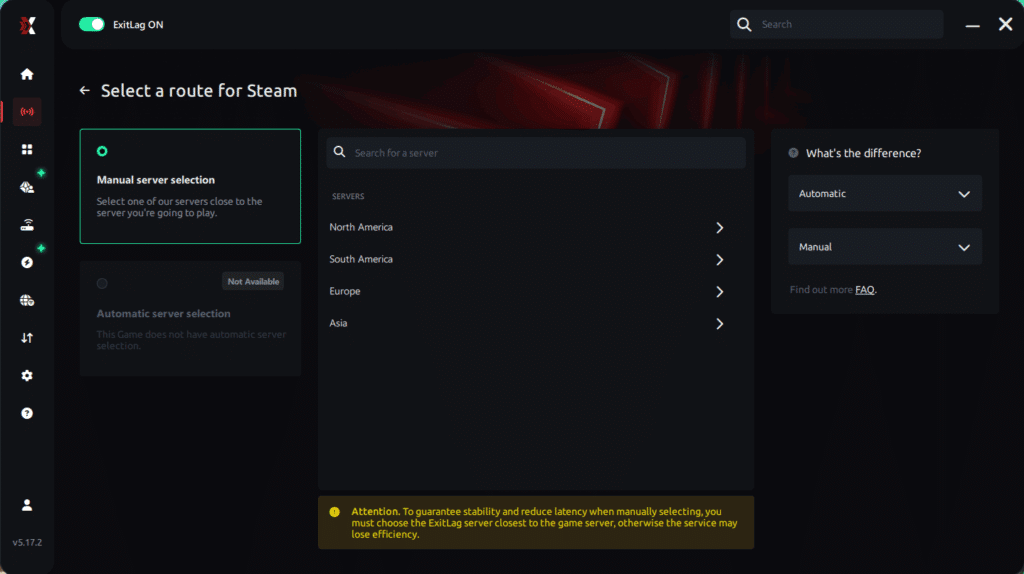
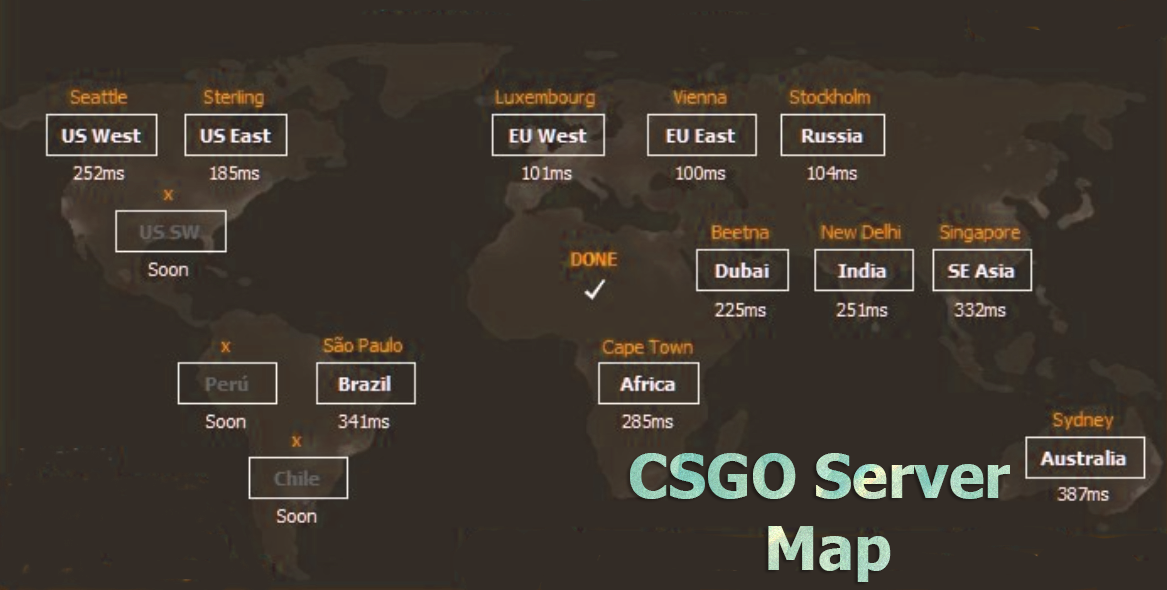
Geographical Distance: The primary factor influencing ping is the physical distance between your computer and the game server. Data travels at the speed of light, but it still takes time, and the further it has to go, the higher your ping will be. This is why game developers and GSPs set up servers in various regions (e.g., US East, US West, Europe, Asia) to cater to local player bases.
Network Routing: Beyond raw distance, the quality and efficiency of the internet's routing infrastructure also play a role. Your data might not travel the most direct path, and congested intermediate networks can increase ping. Professional GSPs and developers often choose data centers with optimized network peering to minimize these issues.
Impact on Gameplay: High ping can lead to "desync" (what you see doesn't match the server's state), hit registration issues, rubber-banding (being pulled back to a previous position), and generally an unresponsive, frustrating experience. For social games or turn-based titles, high ping is less critical, but for any game requiring precise timing, it can be a deal-breaker.
Always prioritize connecting to servers in your region or those that consistently show the lowest ping in the server browser. This simple choice can dramatically improve your enjoyment and performance in any Steam multiplayer game, letting you focus on the fun rather than fighting against lag.
Future Trends: What's Next for Game Server Hosting on Steam and Beyond?
The landscape of game server hosting for Steam titles is constantly evolving, driven by technological advancements and shifting player expectations. For US gamers who prioritize smooth, accessible, and social experiences, several key trends are on the horizon:
Cloud-Based Scaling: Expect more developers to leverage dynamic cloud hosting solutions (like AWS, Azure, Google Cloud). This allows servers to scale up or down automatically based on player demand, ensuring optimal performance during peak hours and cost efficiency during off-peak times. This means less lag and more consistent availability across titles.
Edge Computing: Bringing server infrastructure even closer to players (edge computing) is gaining traction. This could further reduce latency, especially for mobile and cross-play experiences, a significant trend as more than 50% of US gamers now play on mobile. Imagine game logic being processed almost at your local ISP, rather than a distant data center.
AI-Driven Optimization: Artificial intelligence will likely play a larger role in optimizing server performance, predicting player traffic, and even dynamically allocating resources. This could lead to smarter matchmaking and more resilient server networks, proactively preventing issues before they impact gameplay.
Hybrid Hosting Models: Developers might increasingly use hybrid models – dedicated servers for core competitive modes, P2P for casual co-op, and cloud-bursting for special events. This flexibility allows for tailored solutions for different game modes and player needs.
Enhanced User-Hosted Options: As hardware becomes more powerful, tools for user-hosted dedicated servers may become even more user-friendly, potentially offering more robust integration through Steam. This empowers communities to create bespoke gaming experiences with ease, catering to the growing demand for personalized and modded game worlds.
Cross-Platform Server Unification: With the rise of cross-play, server infrastructure will become more unified to support players across PC, console, and mobile seamlessly. This means a focus on robust, scalable backends that can handle diverse client types, ensuring that the social aspect of gaming continues to thrive across all platforms.
These trends point towards a future where online gaming on Steam will be even more accessible, stable, and tailored to individual player needs, ensuring that your precious gaming time is spent enjoying, not troubleshooting.
Conclusion
Navigating the world of game servers on Steam might seem daunting, but as we've explored, understanding how Steam does and does not host game servers is crucial for a smoother online experience. While Steam provides the platform and powerful backend services like Steamworks matchmaking, most multiplayer games rely on dedicated servers run by developers, third-party Game Server Providers, or peer-to-peer connections. Knowing this empowers you to make informed choices, whether it's finding the lowest-ping server, troubleshooting connectivity issues, or even venturing into hosting your own dedicated space. Your valuable gaming time, often a cherished escape from daily demands, deserves a lag-free, reliable connection. By leveraging the tips and insights in this guide, you're better equipped to optimize your setup, connect with your community, and dive into the relaxation, fun, and skill-building that online gaming offers.
What's your biggest gaming challenge when it comes to online play? Comment below and share your experiences!
FAQ: Quick Answers to Common Steam Server Questions
Q: What is a "dedicated server" in gaming?
A: A dedicated server is a powerful computer running 24/7, solely dedicated to hosting a specific game. It offers consistent performance, independent of player connections, and allows for custom rules, mods, and persistent worlds. Games like Minecraft or ARK often utilize dedicated servers for robust multiplayer experiences.
Q: Can I get banned from Steam for hosting my own game server?
A: No, absolutely not! As long as you own the game and follow any specific EULAs for server hosting (which usually means not profiting excessively or distributing copyrighted material), Steam encourages community server hosting. Many games provide official server tools through Steam for this very purpose.
Q: Why do some games have region-locked servers on Steam?
A: Region-locked servers are often implemented by developers or publishers to manage player populations, reduce latency by keeping players closer to physical server locations, or comply with regional regulations and content restrictions. It helps ensure a smoother, more localized experience for gamers in specific areas.
Q: Does Steam provide tools to help me host a game server?
A: Yes, Steam offers tools like the "SteamCMD" command-line client, which allows users to download and install dedicated server files for many games. Additionally, some game developers integrate server browser functionality directly into their Steam titles, making it easier to discover and join community-run servers.
Q: Is P2P gaming still common on Steam?
A: Peer-to-peer (P2P) gaming is still common, especially for smaller co-op games or titles where latency isn't ultra-critical. While dedicated servers offer superior stability for larger competitive games, P2P remains a cost-effective and simple solution for many developers, often facilitated by Steam's matchmaking services.
Q: How does Steam's matchmaking system work with game servers?
A: Steam's matchmaking system, powered by Steamworks, connects players based on criteria like ping, skill, or game mode preference. It typically directs players to the best available dedicated server, a community-hosted server, or facilitates a peer-to-peer connection, all without requiring manual server browsing in many modern titles.
Steam's role in server hosting, dedicated server benefits, peer-to-peer gaming, community server management, finding optimal game servers, latency reduction tips, self-hosting options, Steamworks matchmaking, Game Server Provider (GSP) insights, multiplayer performance optimization.
35


5 Ways To Fix The Steam Cloud Out Of Date Error On A Windows PC Steam Server Status Page Steam Cloud Out Of Date . Marathon Server Slam Players Reveal Their Biggest Complaints About The Game Steamdb Marathon Server Slam . Skyrim Creation Club Content Mods DLC Official Add Ons Steam Content Servers Unreachable 1024x614 . How To Use An Old Windows PC Steam Servers . Steam March 2026 Client Update Adds Hardware Specs To User Reviews Steam Client Mar 2026
The FBI Is Looking For Victimized Steam Users Who Downloaded Games With . Servidores De Jogos Documenta O Do Steamworks Steam Server Browser . Is Steam Down How To Check Steam Network Server Status Steamstatus 01 768x432 . FIXED Steam Error Code 109 Unable To Connect To Server 2023 02 12 181105 . How To Join A RUST Server Corrosion Hour Steam Game Server Browser 3 1024x576



Kalender Lengkap Event Steam 2026 Diskon Besar Dan Festival Game Favorit Steam Events 2 Q82 W2560 H 74ce0.webp. The Most Played Games On Steam For 2026 So Far Cheat Code Central Most Played Games Steam 2026 2048x1167 . Why Are All These Dedicated Servers On The Side Instead Of My Games Why Are All These Dedicated Servers On The Side Instead Of V0 . Why Do I Have These Dedicated Servers For Games Which I Don T Even Own . Steam Deck Unable To Sync Here Are 7 Easy Fixes TCG Image 114




Kalender Lengkap Event Steam 2026 Diskon Besar Dan Festival Game Favorit Steam Events Q82 W2560 H 27565.webp. 5 Ways To Fix Steam Error Code 105 On Windows PCs Steam Error Code 105 . January 2026 S Top Selling New Steam Games Revealed 08418405 04a2 47eb B48b 1500x843 . Game Server Component At Robert Lindsay Blog . Steam Next Fest February 2026 The 22 Best Game Demos The Best Steam Next Fest Demos 2026 The Punished Backlog Order 2 300x162



Steam Games High Ping Fix Reduce Latency 2026 Select Server Steam Game 1024x574 . Steam Posts Sale Dates For The First Half Of 2026 PCWorld Steam Store New Look 2025 . CS 1 6 No Steam Servers How To Play Without Steam Hotspawn CS 1.6 No Steam Servers Example . Best Game Server Hosting 2025 10 Providers Reviewed 10 Best Game Server Hosting . When Is The Next Steam Sale May 2026 Update Countdown


Steam Sales 2026 Calendar Full Dates Best CD Key Deals AllKeyShop Com All Steam Events 2026. Is Steam Down How To Check Steam Network Server Status Steamstatus 02 . Location Of Servers Csgo Server Map . How To Fix Steam 500 Internal Server Error 2026 Ultimate Steam 500 Internal Server Error. CS 1 6 No Steam Servers How To Play Without Steam Hotspawn CS 1.6 No Steam Servers 1125x633


Here Are The Steam Sale Dates For First Half Of 2026 Valve Offers 1864305984 . How To Fix Steam Download Stuck At 99 EarlyGame . 17 Obscure Steam Tips And Tricks That Can Power Up Your PC Gaming PCWorld Steam Servers 100705814 Orig . Steam Sales 2026 Calendar Full Dates Best CD Key Deals AllKeyShop Com All Steam Events 2026 1.webp. 11 Demos From Steam Next Fest February 2026 Steam Next Fest Thumbnails