Choosing between AMD and Intel processors for your gaming rig can feel like navigating a maze, especially with new releases constantly shifting the landscape. This comprehensive guide cuts through the hype to help you decide which CPU giant offers the best bang for your buck and optimal performance in 2026. Whether you are a dedicated enthusiast chasing every frame, a streamer balancing gameplay with content creation, or a busy adult gamer looking for reliable fun after a long day, understanding the nuances between AMD Ryzen and Intel Core is crucial. We will explore raw gaming power, value, multitasking capabilities, and future-proofing, ensuring you make an informed decision that aligns with your gaming habits and budget. No more guesswork, just practical advice to boost your gaming experience.
What are the key factors determining if AMD or Intel is better for gaming?
The key factors include your budget, the specific games you play (some favor single-core, others multi-core), whether you also stream or multitask, and your long-term upgrade plans. Both brands offer excellent gaming CPUs across different price points, so it is about matching your needs to their strengths.
How much does a processor impact my gaming FPS compared to a graphics card?
While the CPU is crucial, especially for competitive titles at high refresh rates, the graphics card (GPU) typically has a much larger impact on your overall frames per second (FPS), particularly at higher resolutions like 1440p or 4K. A balanced build with a strong GPU and a capable mid-range CPU usually yields the best results.
Which brand offers better integrated graphics for gaming without a dedicated GPU?
AMD's Ryzen APUs (Accelerated Processing Units) with Radeon integrated graphics generally offer superior performance compared to Intel's integrated graphics solutions, especially for light to moderate gaming. If you are building a budget PC without a dedicated GPU, AMD's APUs are often the preferred choice for playable frame rates.
Is it true that AMD processors are better for multitasking than Intel?
Historically, yes. AMD's Ryzen processors, especially the higher core count models, often excel in multi-threaded tasks like streaming, video editing, and running multiple applications simultaneously alongside gaming. Intel has made significant strides with its hybrid architecture, but AMD frequently maintains an edge in pure multi-core performance.
Do most modern games benefit from more cores, or is single-core speed still king?
Modern games are increasingly optimized to utilize more CPU cores, especially in AAA titles with complex open worlds, AI, and physics. While high single-core speed is still important, the advantage of having more cores for smoother 1% low FPS and overall system responsiveness is growing, making multi-core performance more relevant than ever.
What are the typical power consumption and heat differences between AMD and Intel gaming CPUs?
Both AMD and Intel have made significant strides in power efficiency. Generally, higher-end chips from both companies will consume more power and generate more heat under load, requiring robust cooling. However, recent generations have seen improved efficiency across the board, with specific models from either brand potentially offering better performance per watt depending on the workload.
How does the motherboard platform affect my choice between AMD and Intel for gaming?
The motherboard platform dictates your upgrade path and available features. AMD's AM5 socket offers long-term compatibility, potentially allowing for future CPU upgrades without a new motherboard. Intel often introduces new sockets more frequently. Both support modern features like DDR5 and PCIe 5.0, but consider the total cost of CPU, motherboard, and RAM for your chosen platform.
Welcome, fellow gamers! In the ever-evolving world of PC gaming, few debates spark as much passion and confusion as 'are AMD or Intel processors better for gaming?' If you are like most US gamers, roughly 87% of whom regularly game, spending an average of 10+ hours a week, you probably balance a demanding job, family, and life responsibilities. Your precious gaming time is for relaxation, fun, and maybe a little skill-building or social connection. You need performance that just works, value for your hard-earned money, and clear advice that cuts through the marketing hype. You want to avoid setup headaches, performance bottlenecks, and the constant worry of whether your hardware choice will stand the test of time.
This guide is crafted specifically for you. We are diving deep into the AMD vs. Intel showdown in 2026, breaking down what truly matters for gaming performance, streaming, multitasking, and getting the most out of your budget. Forget the endless forum arguments; we are here to provide practical, up-to-date insights so you can make an informed decision for your next gaming CPU. Let us ensure your gaming rig empowers your relaxation, social play, and competitive edge, without breaking the bank or requiring a computer science degree to understand.
What is the Current State of AMD vs Intel for Gaming in 2026?
In 2026, both AMD and Intel are formidable contenders in the gaming CPU arena, pushing innovation at a rapid pace. AMD, with its Ryzen series, has continued to build on its reputation for excellent multi-core performance, making them a strong choice for gamers who also stream, create content, or run multiple applications simultaneously. Intel, with its Core series, often maintains a slight edge in raw single-core gaming performance, which translates to higher frames per second (FPS) in many titles, particularly those less optimized for multiple cores. The landscape is incredibly competitive, with both companies offering compelling options across all budget segments, from entry-level builds to high-end enthusiast systems. Recent releases from both camps have focused on improved power efficiency and integration with AI features, making system builders consider more than just raw clock speed.
How Do AMD and Intel CPUs Compare in Raw Gaming Performance?
For pure, unadulterated gaming FPS, Intel Core processors have traditionally held a marginal lead, especially in games that primarily rely on single-core speed and IPC (instructions per clock). This trend continues in 2026 with their latest generations often delivering slightly higher average frame rates in CPU-intensive titles. However, AMD Ryzen CPUs have significantly closed this gap, sometimes even surpassing Intel in specific game benchmarks, particularly those optimized for more cores. The difference in real-world gaming for many users, especially at higher resolutions like 1440p or 4K where the GPU becomes the primary bottleneck, is often negligible. Unless you are chasing absolute top-tier FPS for esports on a high refresh rate monitor, both brands offer exceptional gaming performance.
Which Processors Offer Better Value for Money for Gaming?
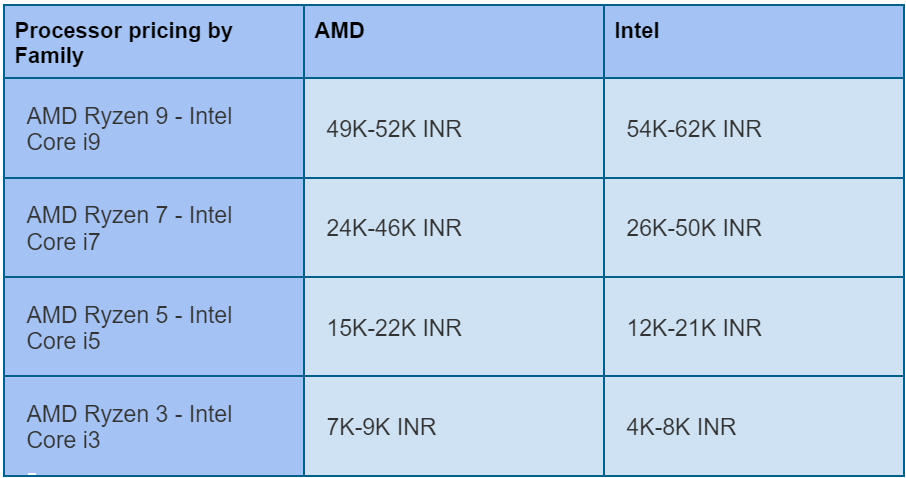
Value for money is a critical consideration for many gamers, especially those balancing gaming with life's other expenses. Historically, AMD has often been seen as the value king, offering more cores and threads for a similar price point compared to Intel. This trend largely holds true in 2026, particularly in the mid-range segment where AMD's Ryzen 5 and Ryzen 7 series provide an excellent balance of gaming performance and multitasking capability without demanding a premium. Intel has become more aggressive with its pricing, especially on older generations, but for bleeding-edge performance per dollar, AMD frequently comes out on top for balanced builds. Factors like motherboard cost and platform longevity also contribute to the overall value proposition; AMD's AM5 platform, for instance, promises longer support than recent Intel sockets.
Are AMD or Intel Processors Better for Multitasking and Streaming?
For gamers who juggle multiple tasks, such as streaming their gameplay, running Discord, browsing the web, or even doing some light video editing in the background, AMD processors often hold an advantage. Their higher core and thread counts, especially in the Ryzen 7 and Ryzen 9 series, provide superior multi-threaded performance. This means your game can run smoothly while your streaming software encodes video, or while you are rendering a short clip for your social media. Intel's latest hybrid architecture, combining performance cores (P-cores) and efficient cores (E-cores), has significantly improved their multitasking capabilities, but AMD still often delivers a more consistent and robust experience for heavy multi-threaded workloads. If you are aiming to be the next big streamer or content creator, an AMD CPU might offer a more streamlined experience.
What About Future-Proofing My Gaming PC: AMD or Intel?
Future-proofing is a common concern for gamers who want their investment to last. In 2026, the discussion around future-proofing often revolves around platform longevity and new technologies. AMD's recent commitment to supporting its AM5 socket for several generations gives it an edge in terms of upgradeability. This means you might be able to upgrade your CPU without needing a new motherboard and RAM for future generations. Intel, on the other hand, often introduces new sockets more frequently, potentially requiring a full platform upgrade sooner. Both companies are innovating with features like PCIe 5.0 and DDR5 support, but AMD's longer platform commitment generally offers a more reassuring path for future upgrades, which is great for budget-conscious gamers wanting to stay current without constant rebuilds.
Does My Game Choice Influence Which CPU I Should Pick?
Absolutely! The type of games you play can definitely sway your CPU decision. Some games, particularly older titles or competitive esports games (like Valorant, CS:GO, League of Legends), tend to be more CPU-bound and often prefer higher single-core performance. In these scenarios, Intel might provide a few extra frames that can make a difference on high refresh rate monitors. Newer AAA titles, especially open-world games or those with complex physics and AI (e.g., Starfield, Cyberpunk 2077, Helldivers 2), are increasingly optimized to utilize more cores and threads. Here, the multi-core strength of AMD Ryzen processors can shine, providing smoother gameplay and better overall system responsiveness. It is always wise to check benchmarks for the specific games you play most frequently when making your final decision.
How Do I Decide Between AMD and Intel for My Gaming Budget?
Your budget is perhaps the most defining factor. For entry-level gaming PCs (under $800), both AMD and Intel offer integrated graphics options that can handle light gaming, though a dedicated GPU is always recommended. In the mid-range ($800-$1500), where most busy adult gamers find themselves, AMD often delivers superior performance per dollar, especially if you factor in the cost of a compatible motherboard. You can get more cores for multitasking and excellent gaming frame rates. At the high-end ($1500+), both brands offer top-tier CPUs that excel, with marginal differences in gaming performance. Here, personal preference, specific workload needs (streaming vs. pure gaming), and platform longevity might tip the scales. Always consider the total platform cost (CPU + Motherboard + RAM) when budgeting.
What Are the Ecosystem Differences Between AMD and Intel?
Beyond the processor itself, the ecosystem plays a crucial role. AMD's AM5 socket offers DDR5 memory support and PCIe 5.0, with a promise of multi-generational compatibility, meaning you might not need a new motherboard for your next CPU upgrade. Intel's current sockets also support DDR5 and PCIe 5.0, but new generations often bring new socket types, requiring a motherboard upgrade. Cooling solutions can also differ; AMD CPUs generally run cooler and are more power-efficient than previous generations, though high-end chips from both companies still benefit greatly from robust cooling. Driver support and chipset features (like USB ports, M.2 slots) are comparable, but always verify motherboard compatibility and desired features based on your chosen CPU. The community for both is vast, offering plenty of support.
So, which is it? AMD or Intel for gaming in 2026? The truth is, there is no single 'better' answer. It depends entirely on your specific needs: your budget, the games you play, whether you stream or multitask, and how long you want your platform to last. Both companies offer incredible technology that will deliver fantastic gaming experiences. Focus on what matters most to *you* as a gamer balancing life's demands. Remember to check current benchmarks for the games you love and consider the total cost of your build. The best CPU is the one that fits your life and lets you unwind, connect, and have fun.
What is your biggest gaming challenge? Comment below! Share your experiences and let us build a stronger gaming community together.
FAQ Section
Q: Is AMD still better for budget gaming in 2026?
A: Generally, yes. AMD often offers a better core-to-price ratio in the mid-range, providing strong gaming and multitasking performance for budget-conscious gamers. Intel has competitive options, but AMD frequently provides more overall value for system builders.
Q: Do I need a high-end CPU for 1440p or 4K gaming?
A: For 1440p and especially 4K gaming, the graphics card (GPU) is typically the bottleneck, not the CPU. A mid-range to high-end CPU from either AMD or Intel will suffice, allowing you to prioritize your GPU budget for the best visual experience.
Q: How much RAM do I need with my AMD or Intel gaming CPU?
A: For most gaming in 2026, 16GB of DDR4 or DDR5 RAM is the sweet spot. If you plan on heavy multitasking, streaming, or playing very demanding open-world titles, upgrading to 32GB can provide a noticeable improvement in smoothness and stability.
Q: Can I use my old cooler with a new AMD or Intel CPU?
A: It depends on the socket. AMD's AM4 coolers are often compatible with AM5, but Intel frequently changes sockets. Always check your cooler's mounting compatibility with your new CPU's socket (e.g., LGA 1700 for Intel, AM5 for AMD) to avoid issues.
Q: What is the main difference between AMD Ryzen and Intel Core CPUs for casual gamers?
A: For casual gamers, the main difference is often negligible in terms of pure gaming experience at common resolutions. Both offer excellent performance. The decision usually comes down to overall system cost, platform upgradeability, and preference for integrated graphics features.
AMD often leads in multi-core performance and value, while Intel frequently offers slightly higher single-core speeds crucial for raw gaming FPS. Your choice depends on budget, game types, and whether you stream or multitask. Current trends show both brands are highly competitive across different price points, with platform longevity and integrated features also playing a significant role in the decision-making process for gamers in 2026.
35


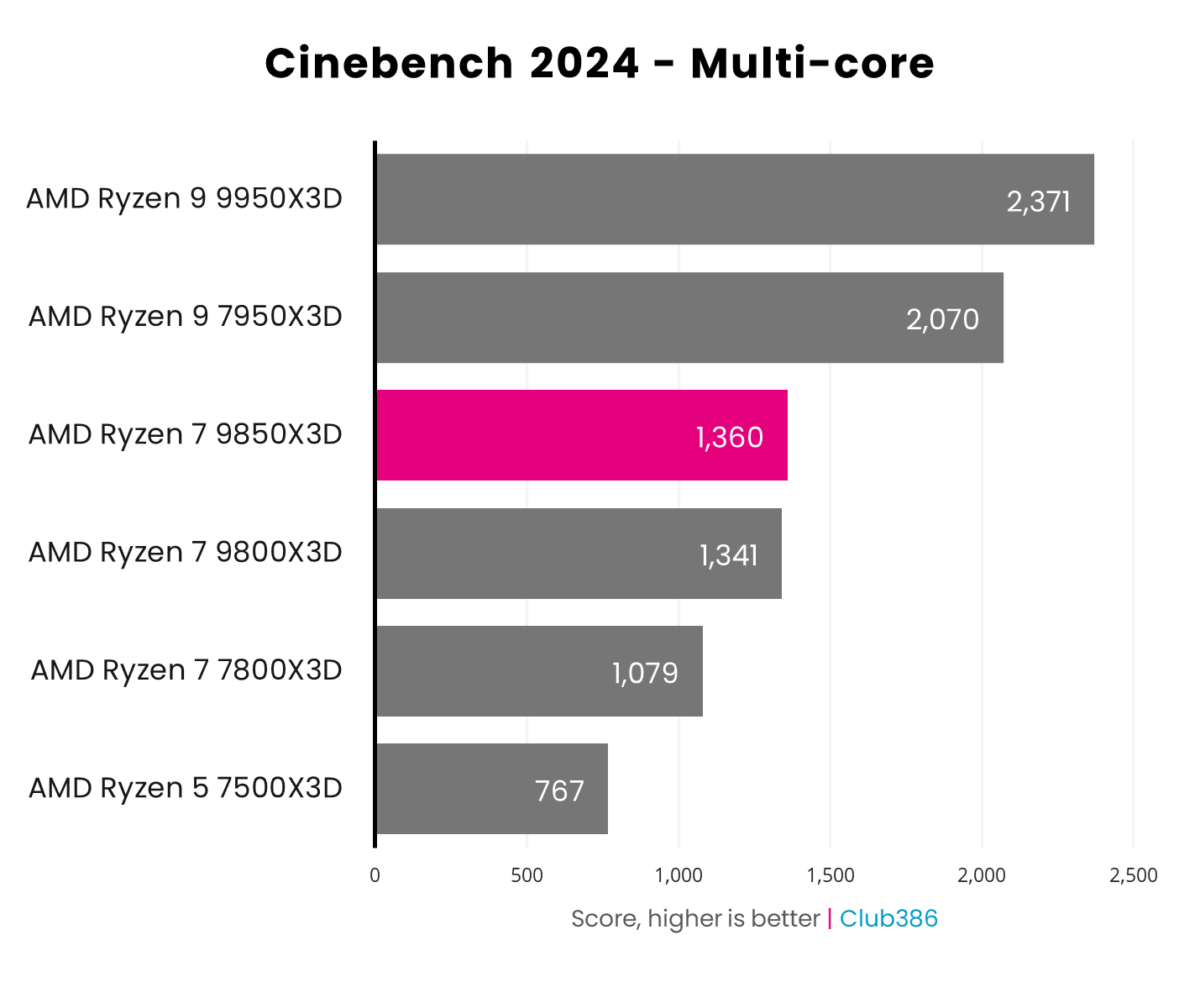
AMD Vs Intel Gaming June 2026 8 CPUs Tested Benchmarked Featured Image Oqqd1wqf . Intel Vs AMD Which CPUs Are Better In 2026 Intel Vs Amd Gaming Fps 1440p. Intel Vs AMD Which CPUs Are Better In 2026 Intel Vs AMD Which CPUs Are Better In 2026. Intel Vs AMD Which CPU Is Better For Gami Gaming PC Guru Intel Vs Amd Gaming 2026 Featured . Best CPU 2026 AMD And Intel Chips Go Head To Head Amd Ryzen 7 9850x3d Review Graphs Cinebench 2024 Mt 1200x982

AMD Dan Intel Adu Cepat CPU Gaming 2026 Ini Bawa Game Makin Ngebut AMD Dan Intel Adu Cepat CPU Gaming 2026 Ini Bawa . Mejor Procesador 2026 Top 7 Intel Vs AMD Para Gaming Mejor Procesador Intel Vs Amd 2026.webp. Intel Vs AMD Processors In 2026 What S Better Right Now Amd Vs Intel Cpu 150x84 . Best Gaming Processor 2026 AMD Vs Intel Comparison Complete Guide Amd Vs Intel Cpu. Intel And AMD Processor Updated Guide Intel AMD 2026

INTEL Vs AMD Ryzen Processor 2026 Which One Is Better For You YouTube . Best Gaming CPU 2026 Top AMD Intel Processors For Your Build Best Gaming CPU In 2025 Top AMD And Intel Processors For Your Next Build . 5 Best Budget Gaming Processors In 2026 D06ba 1920 . Intel Vs AMD Gaming Laptop CPU 2026 Which Processor Is Best 5.1 . AMD Vs Intel AMD Takes The Lead In 2026 NASDAQ AMD Seeking Alpha 49636850 Origin


Intel Vs AMD Laptop Processors 2026 CPU Showdown 4 1 2 . AMD Vs Intel Which Is Best Gaming CPU Comparison Amd Vs Intel . Best Gaming CPU 2026 Top Processors For Gaming Switchblade Gaming Best Gaming Cpu 2026.webp. Intel Vs AMD For Desktop PCs 2026 Which Should You Choose Intel Vs AMD CPUs The 2026 Desktop Showdown . 2026 CPU Showdown Intel Vs AMD Intel Vs Amd 2026 Which Cpu Platform Wins Banner.webp

AMD Reveals New Roadmap For Its Ryzen CPUs Teasing Zen 7 As The True . 12 Best AMD CPU For Gaming 2026 Tested Ranked Featured Image Pj0dxlou 300x210 . Cpu Chip Comparison AMD Vs Intel Quarterly Growth 1200px . Intel Vs AMD Which CPUs Are Better In 2025 . Intel Vs AMD Which CPUs Are Better In 2026

AMD Vs Intel Gaming Which Is The Better Processor 2023 AMD Vs Intel Gaming Info . Intel Vs AMD Laptop Processors 2026 CPU Showdown 4 3 2 1024x576 . Intel Vs AMD Which CPUs Are Better In 2026 6 Best GPUs For AI And Deep Learning In 2026.webp. Best Gaming Processor 2026 AMD Vs Intel Comparison Complete Guide Cpu Gaming Intel. AMD Vs Intel Processors 2026 Gaming Work Servers Image


Intel Vs AMD Ryzen Processors 2026 Best CPU For Gaming Work And Intel Vs AMD Ryzen Processors 768x553 . AMD Vs Intel Which CPU Is Better In 2024 Coding Ninjas Comparison Between Amd And Intel 2 1664288119 . AI PC 2026 Intel Panther Lake Vs AMD Ryzen AI 400 Wer Dominiert Das Intel Panther Lake Vs. AMD Ryzen AI 400 Wer Dominiert Den AI PC 2026 . Intel AMD 2026 1 . Best Gaming Intel CPU 2026 8 Models Tested Compared Intel CPU 1024x559