Navigating the complexities of digital entertainment while maintaining a healthy life balance is a core challenge for many modern gamers. The question of who approves gaming disorder has significant implications for how we understand problematic gaming behaviors and seek support. This comprehensive guide delves into the official recognition of Gaming Disorder by leading global health authorities. We explore the World Health Organization's role in classifying this condition within the International Classification of Diseases 11th Edition ICD-11 outlining the specific criteria used for diagnosis. For the average gamer who balances responsibilities like jobs and family this information is crucial for understanding whether their passion crosses into problematic territory and where to find authoritative resources. Learn how these official classifications help distinguish intense recreational play from a genuine health concern providing clarity and practical steps for maintaining well-being in the dynamic world of gaming. Our discussion addresses common gamer pain points like balancing play with real life commitments and identifying signs that might warrant further attention. This trending topic is vital for promoting responsible gaming habits and ensuring that mental health support is accessible and accurately informed by global standards.
Who formally recognized Gaming Disorder as a health condition?
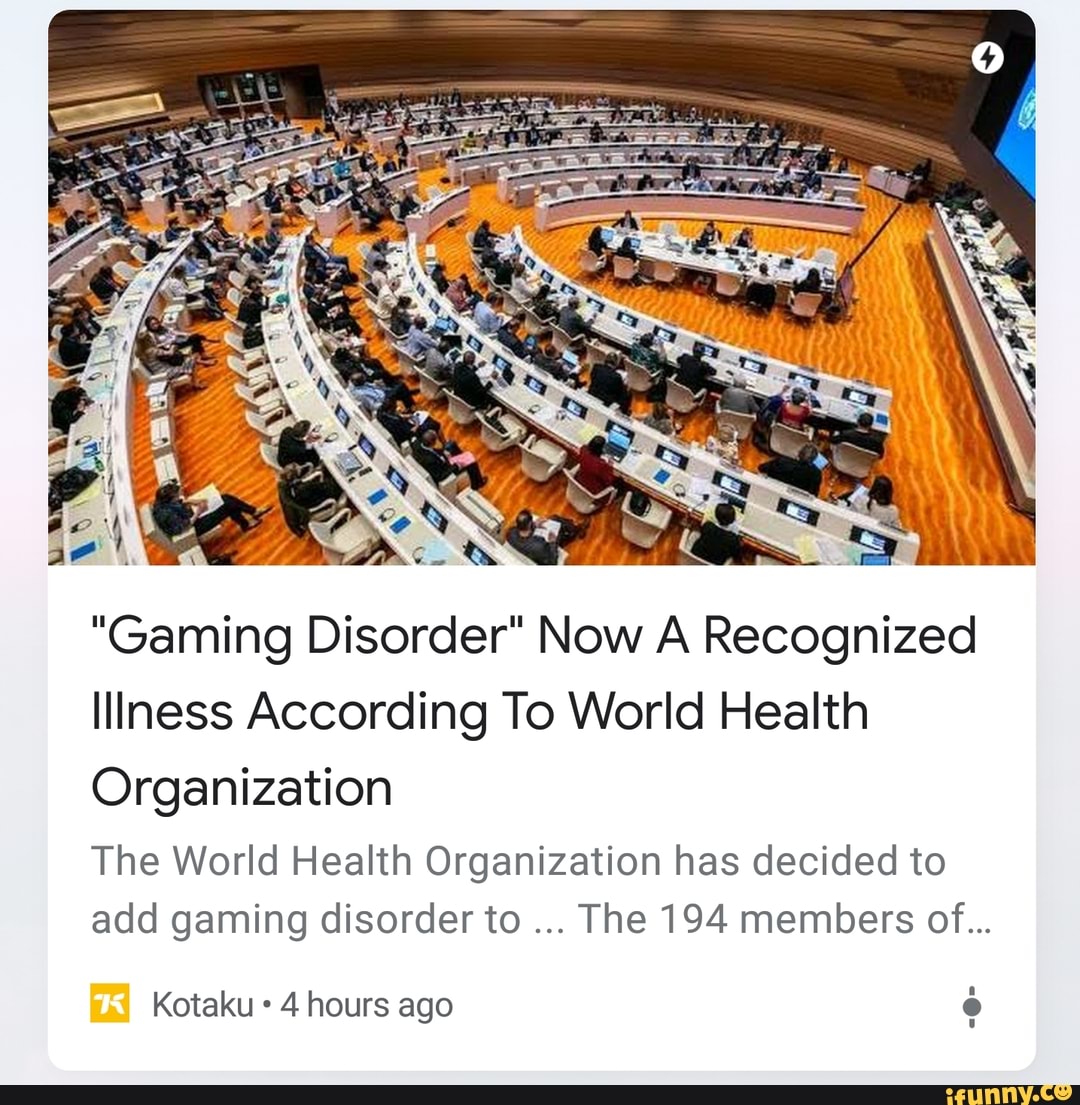
The World Health Organization WHO formally recognized Gaming Disorder as a health condition, including it in the 11th revision of its International Classification of Diseases (ICD-11). This official classification provides a global standard for diagnosis and treatment.
What is the World Health Organization's role in this classification?
The World Health Organization (WHO) plays a crucial role as the leading international health authority. Its classification of Gaming Disorder in ICD-11 provides a standardized framework for healthcare professionals worldwide to diagnose, treat, and research the condition, ensuring consistency and promoting public health awareness.
Are there other major health bodies that approve this diagnosis?
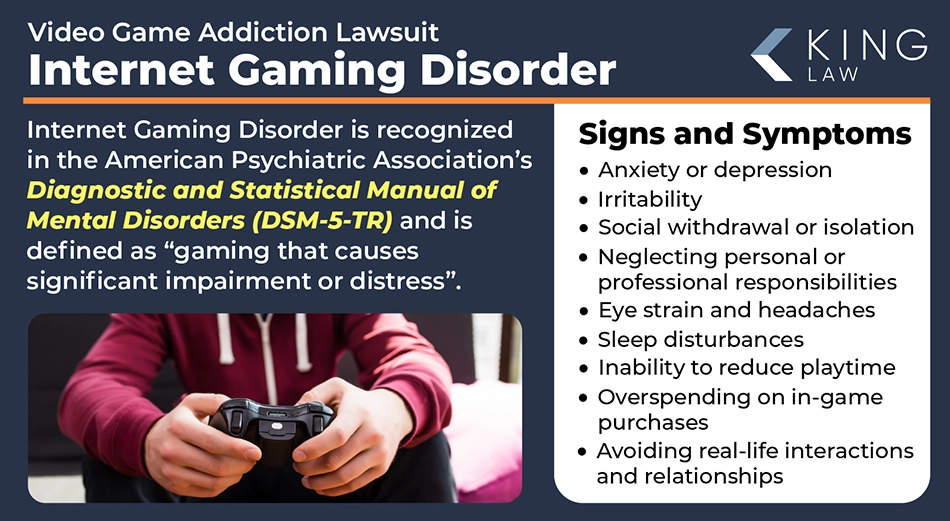
While the World Health Organization (WHO) is the primary international body, the American Psychiatric Association (APA) has included "Internet Gaming Disorder" as a condition for further study in its Diagnostic and Statistical Manual of Mental Disorders (DSM-5). This indicates growing recognition within other major health bodies, although the APA's classification is not yet a formal diagnosis like WHO's.
Why is international approval of Gaming Disorder significant for gamers?
International approval by the WHO provides legitimacy to the struggles some gamers face, enabling better access to medical support, research, and prevention strategies. It helps differentiate severe problematic gaming from enthusiastic play, giving clarity to gamers and families about when and how to seek help without unnecessary stigma.
How does the approved definition help in identifying problematic gaming?
The approved definition outlines specific diagnostic criteria, such as impaired control over gaming, increasing priority given to gaming over other life interests, and continuation despite negative consequences. This clear framework helps mental health professionals and individuals identify truly problematic patterns that cause significant functional impairment, rather than just high engagement.
Does this approval mean all intense gaming is considered a disorder?
No, this approval does not mean all intense gaming is considered a disorder. The WHO's classification specifically targets severe behavioral patterns where gaming leads to significant impairment in various life areas. It explicitly distinguishes between passionate, high-engagement gaming that does not cause distress or impairment, and the disorder itself.
Where can one find the official diagnostic criteria for Gaming Disorder?
The official diagnostic criteria for Gaming Disorder can be found in the World Health Organization's (WHO) International Classification of Diseases, 11th Edition (ICD-11). This document is publicly accessible on the WHO's official website, providing detailed information for clinicians and the public on the condition's definition and diagnostic requirements.
Hey fellow gamers! We all love jumping into our favorite virtual worlds whether it's winding down after a long day at work tackling a raid with friends or sharpening our skills in competitive esports. Gaming is a huge part of life for many of us – in fact, recent US stats show about 87% of adults regularly game often putting in 10+ hours a week across mobile PC and console. But sometimes a question pops up that makes us pause: at what point does our passion for gaming become something more something concerning? You might have heard terms like gaming disorder or gaming addiction floating around. It's a topic that can spark debate and even a bit of anxiety especially for those of us trying to balance our love for games with jobs family and personal well-being.
Understanding who approves gaming disorder as a legitimate health condition isn't just for medical professionals it's vital for us too. Knowing the official stance helps us separate hype from reality understand what healthy gaming looks like and recognize when our own habits or those of a friend might genuinely need attention. This article cuts through the noise offering clear practical answers to your questions about Gaming Disorder its official recognition and what it means for you as a gamer. We're here to equip you with the knowledge to maintain that sweet spot where gaming remains a source of relaxation fun and connection without derailing other aspects of your life.
Who Officially Approves Gaming Disorder as a Health Condition?
The World Health Organization WHO is the primary international body that officially approves and classifies Gaming Disorder as a recognized health condition. This classification was formalized in the 11th revision of its International Classification of Diseases ICD-11 which came into effect globally in January 2022. The WHO's decision to include Gaming Disorder followed extensive reviews of scientific evidence and consultations with global experts in mental health public health and addiction. Their goal is to provide a standardized diagnostic framework for clinicians worldwide ensuring consistency in identifying and addressing the condition.
What Exactly is Gaming Disorder According to the WHO?
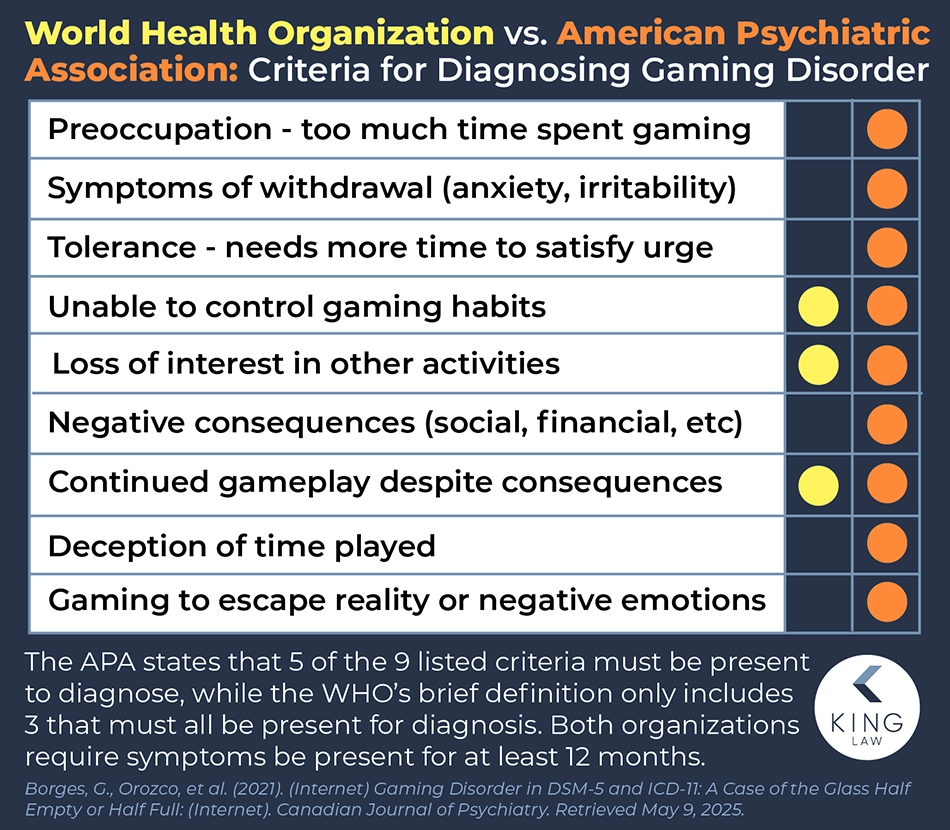
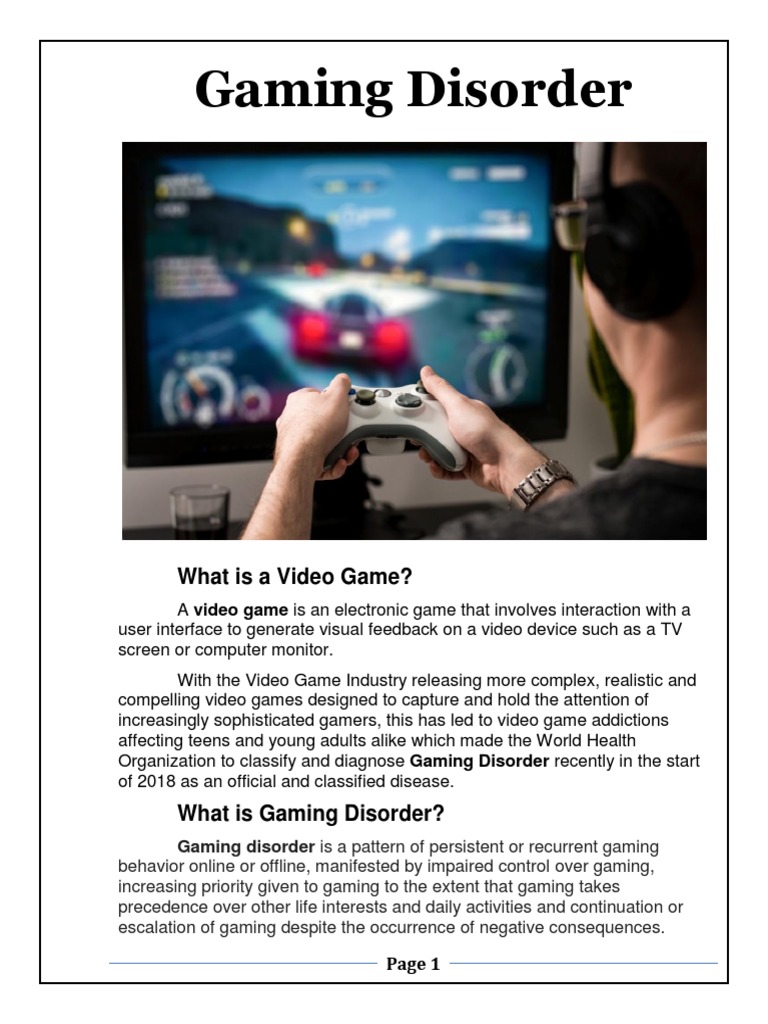
According to the WHO's ICD-11 Gaming Disorder is characterized by a pattern of gaming behavior whether online or offline manifested by impaired control over gaming increasing priority given to gaming over other life interests and daily activities and continuation or escalation of gaming despite the occurrence of negative consequences. For a diagnosis these behaviors must be sufficiently severe to result in significant impairment in personal family social educational occupational or other important areas of functioning and would normally have been evident for at least 12 months. This definition emphasizes functional impairment rather than just the amount of time spent gaming making it distinct from simply enjoying games passionately.
Why Did the World Health Organization Classify Gaming Disorder?
The World Health Organization classified Gaming Disorder primarily to address a growing public health concern and provide a framework for diagnosis and treatment. Experts observed an increasing number of individuals experiencing significant impairment due to gaming behaviors often struggling to find appropriate help because the condition lacked official recognition. By including it in ICD-11 the WHO aims to standardize how health professionals identify and treat the disorder facilitate research and encourage the development of prevention and intervention strategies. This classification helps ensure that individuals suffering from severe gaming-related problems receive the medical attention they need much like any other recognized health condition.
How Do I Know if My Gaming Habits are Problematic?
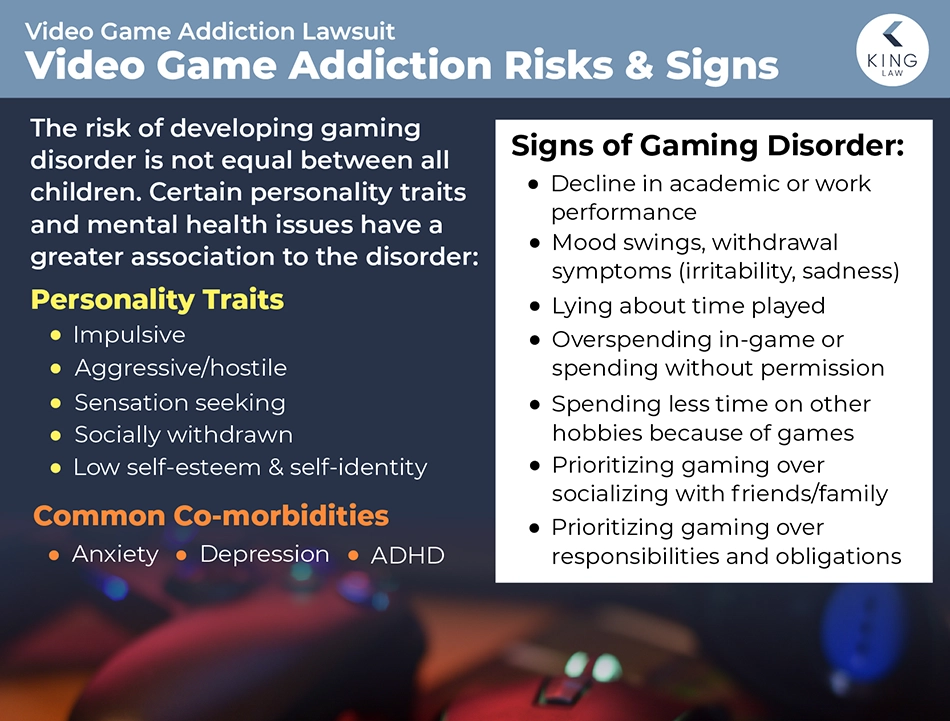
Recognizing problematic gaming habits means looking beyond just how much time you spend playing and focusing on the impact gaming has on your life. If you find yourself consistently sacrificing sleep work or family time for gaming struggling to cut back even when you want to or feeling irritable or anxious when you can't play these could be red flags. Other signs include losing interest in former hobbies neglecting personal hygiene or responsibilities and using gaming as your primary coping mechanism for stress or negative emotions. The key is observing whether gaming has started to control your life rather than remaining a part of it. Many adult gamers, around age 36, manage jobs and families; if gaming is regularly causing conflict or failure in these areas, it's worth a closer look.
Is Gaming Disorder the Same as Being Passionate About Games?
Absolutely not. Being passionate about games is a completely different experience from having Gaming Disorder. Most gamers, including the vast majority of the 87% of US adults who play regularly, engage with games for fun relaxation social connection and skill building without any negative impact on their lives. They can balance gaming with work family and other hobbies. Passionate gamers might spend many hours playing but they retain control can stop when needed and gaming enhances rather than detracts from their overall well-being. Gaming Disorder however involves a loss of control a compulsion to play despite negative consequences and significant distress or impairment. The WHO's classification specifically targets this severe functional impairment not enthusiasm for the hobby.
What Resources are Available for Gamers and Families Concerned About Gaming Disorder?
For gamers and families concerned about Gaming Disorder a variety of resources are available. Start by consulting a mental health professional such as a psychologist psychiatrist or addiction counselor who can provide an accurate assessment and guidance. Many countries have national helplines or online services dedicated to mental health and addiction. Support groups both in-person and online can offer a community of understanding and shared strategies. Educational websites from reputable health organizations often provide self-assessment tools and information on healthy gaming practices. Organizations like the American Psychiatric Association or the National Institute of Mental Health also offer valuable resources and insights into behavioral addictions and mental wellness. Don't hesitate to reach out if you feel gaming is becoming a problem for you or a loved one.
How Can Gamers Maintain a Healthy Balance Between Gaming and Life?
Maintaining a healthy balance between gaming and life especially for busy adults, is crucial and achievable. First set clear time limits and stick to them using alarms or parental control features if necessary. Schedule your gaming sessions like any other activity. Prioritize real-world responsibilities like work family and personal health first. Engage in other hobbies and activities outside of gaming to ensure a diverse and fulfilling life. Use gaming for relaxation and social connection but also cultivate face-to-face interactions. Be mindful of your motivations for gaming; if it's consistently to escape problems rather than for enjoyment consider alternative coping strategies. For many adult gamers who enjoy social play, scheduling specific game nights with friends can help manage time and maintain connections without it spilling over into uncontrolled play.
Are There Any Positive Aspects of Gaming Acknowledged by Health Organizations?
Yes health organizations and researchers widely acknowledge the many positive aspects of gaming. Video games can foster problem-solving skills creativity and strategic thinking. Social gaming especially popular among the 87% of US gamers, provides opportunities for building friendships and community connections often through platforms like Discord. Games can also improve hand-eye coordination reaction time and spatial awareness. Many titles offer stress relief and a healthy escape providing a valuable form of relaxation after a demanding day. Even for those with limited time there are fantastic cozy games and engaging free-to-play options that offer significant value. The key is balance and ensuring gaming remains a beneficial and enriching activity rather than an all-consuming one.
Does the Diagnosis Impact My Ability to Enjoy Gaming?
A diagnosis of Gaming Disorder is not intended to take away your ability to enjoy gaming. Instead it's about helping you regain healthy control so you can enjoy gaming in a balanced and sustainable way. For many who receive a diagnosis and seek treatment the goal is to develop healthier gaming habits and reintegrate gaming into their lives as a positive activity. The diagnosis simply acknowledges that for some individuals gaming can become problematic requiring support to manage. It's about empowering you to find that equilibrium where games are a source of fun relaxation and connection without negative consequences allowing you to continue building skills and socializing online without impairment.
What's the Difference Between "Gaming Disorder" and "Internet Gaming Disorder"?
While often used interchangeably there's a subtle but important distinction between "Gaming Disorder" and "Internet Gaming Disorder." The World Health Organization's ICD-11 uses the term "Gaming Disorder" which encompasses both online and offline gaming. It focuses on the problematic behavior pattern regardless of internet connectivity. On the other hand the American Psychiatric Association's APA Diagnostic and Statistical Manual of Mental Disorders DSM-5 includes a condition called "Internet Gaming Disorder" in its Section 3 "Conditions for Further Study." This classification specifically focuses on problematic gaming that occurs over the internet. Both terms describe similar problematic patterns of gaming behavior but "Gaming Disorder" by WHO is a formal diagnosis for both online and offline forms, while "Internet Gaming Disorder" by APA is currently a research diagnosis focused solely on online play.
We hope this comprehensive dive into who approves gaming disorder helps clarify a lot of questions you might have had. For the millions of us who find joy connection and challenge in gaming it's about being informed and empowered. Recognizing the official classification isn't meant to demonize our beloved hobby but to provide a framework for understanding and addressing the rare instances where gaming can become problematic. By staying aware of healthy habits and knowing where to find help we can ensure gaming remains a positive force in our lives while balancing work family and everything else.
What's your biggest gaming challenge when it comes to balancing it with life? Comment below and share your tips!
FAQ Section
Is Gaming Disorder a recognized mental health condition globally? Yes Gaming Disorder is officially recognized as a mental health condition by the World Health Organization WHO in its International Classification of Diseases 11th Edition ICD-11.
What are the main criteria for diagnosing Gaming Disorder? The main criteria include impaired control over gaming increasing priority given to gaming and continuing or escalating gaming despite negative consequences leading to significant impairment in life areas for at least 12 months.
Can I still enjoy gaming if I'm diagnosed with Gaming Disorder? Yes a diagnosis aims to help you regain healthy control allowing you to enjoy gaming in a balanced way as part of a fulfilling life rather than having it dominate your life negatively.
Does intense gaming automatically mean I have Gaming Disorder? No intense gaming or passion for games does not automatically mean Gaming Disorder. The diagnosis focuses on severe functional impairment and loss of control not simply the amount of time spent playing.
Where can I get help if I suspect I or a loved one has Gaming Disorder? You can seek help from mental health professionals such as psychologists or addiction counselors national helplines or support groups. Reputable health organizations also offer informational resources.
Is Gaming Disorder limited to online games? No the WHO's definition of Gaming Disorder includes both online and offline gaming distinguishing it from the American Psychiatric Association's research diagnosis of Internet Gaming Disorder which focuses specifically on online play.
World Health Organization WHO officially approves Gaming Disorder as a classified condition in ICD-11. Diagnostic criteria include impaired control increasing priority and continuation despite negative consequences for at least 12 months. This recognition aims to standardize diagnosis and facilitate treatment. It distinguishes severe functional impairment from enthusiastic gaming. US gamers balancing life commitments need to understand this classification to promote healthy gaming habits.
35
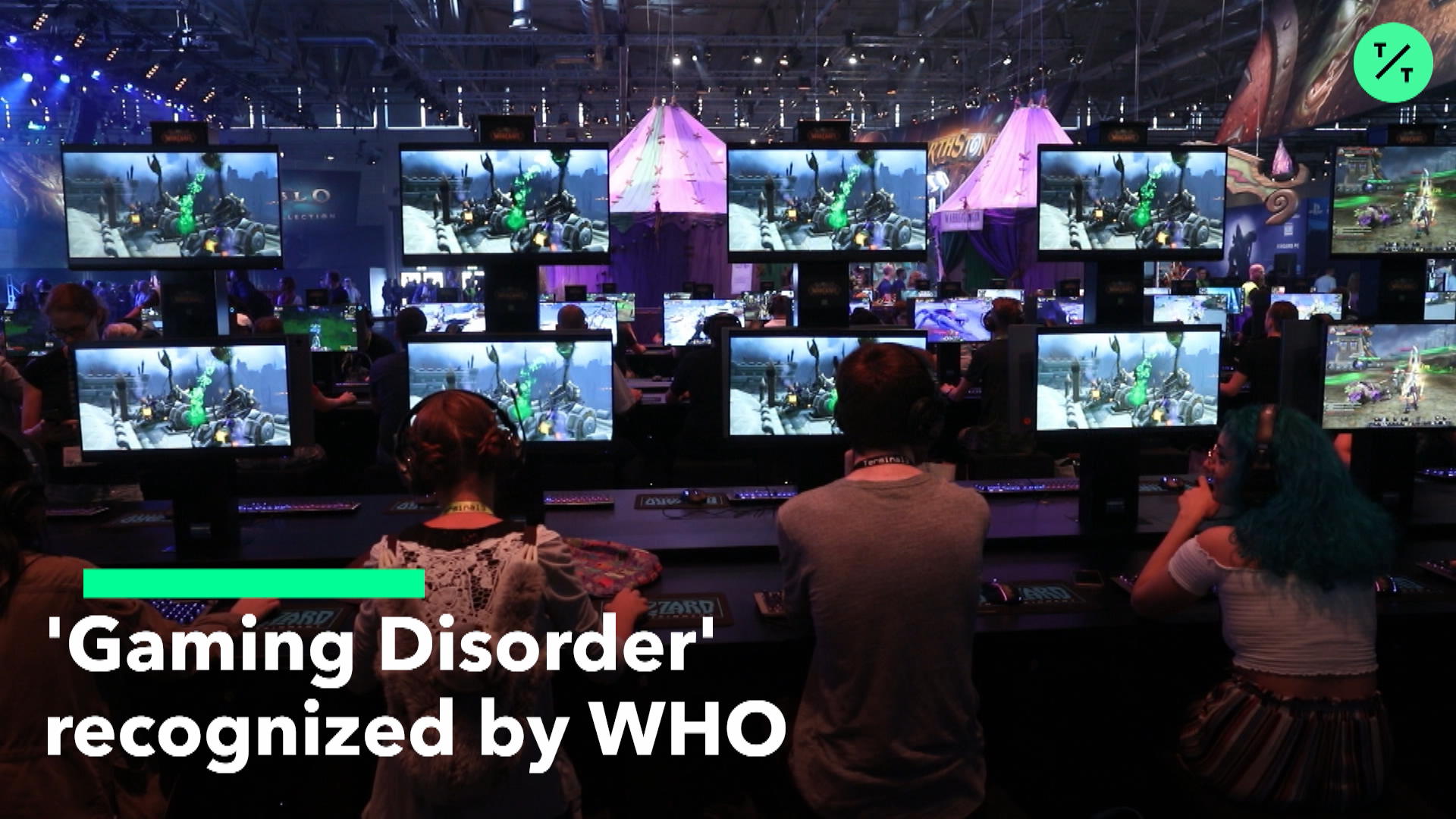
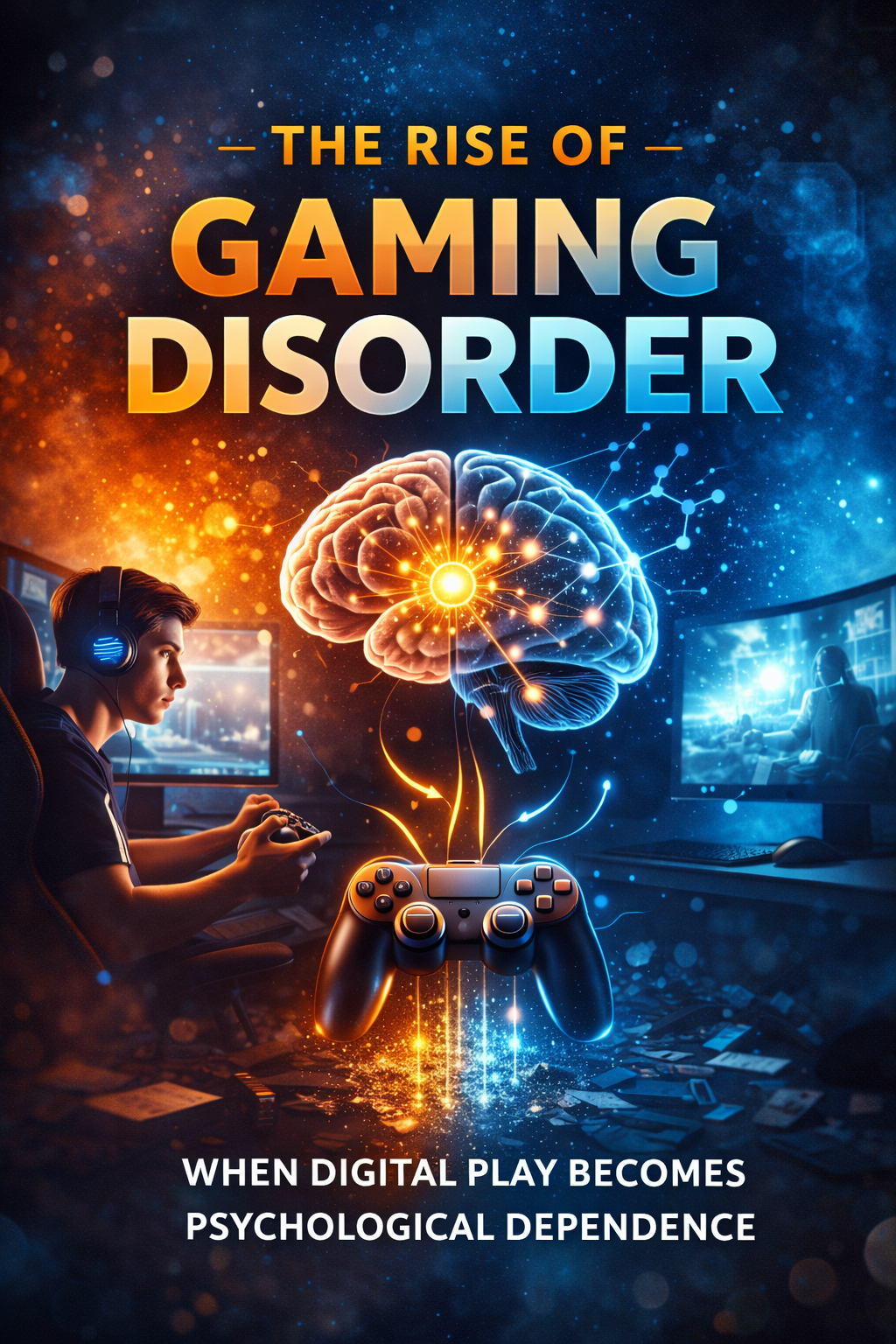

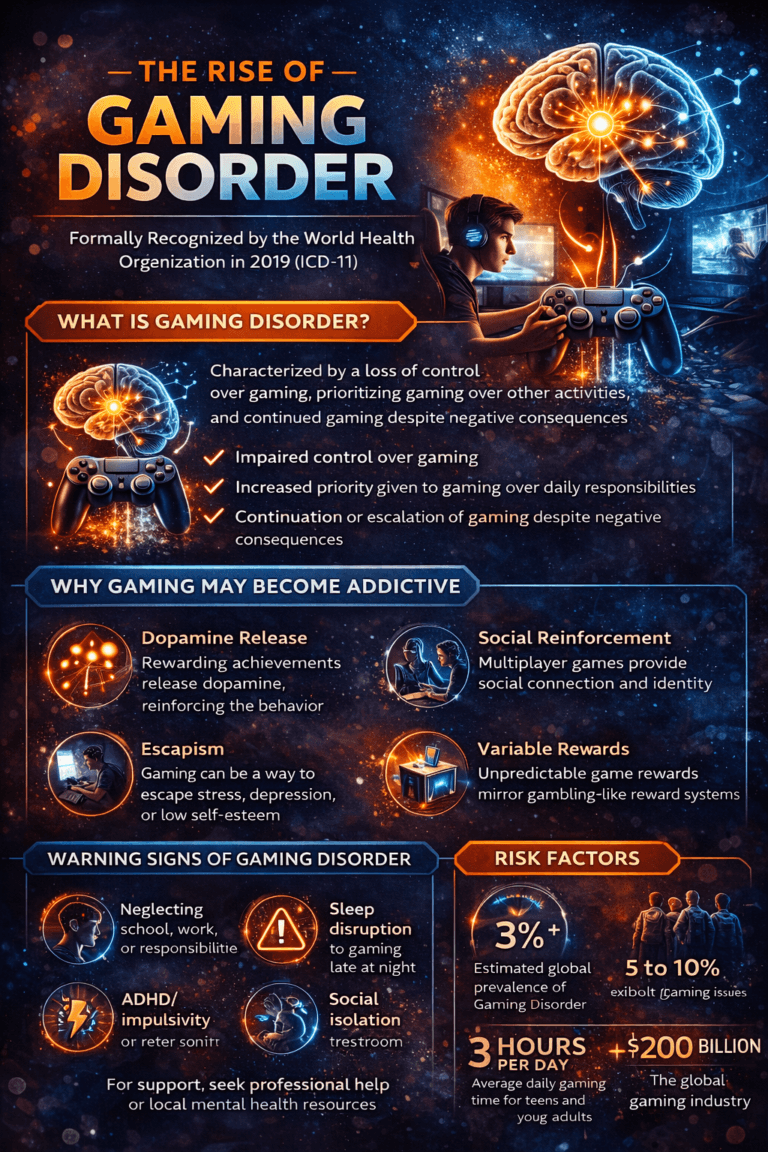
Global Gaming Addiction Statistics 2025 Global Gaming Addiction Statistics 2025 . Watch WHO Recognizes Gaming Disorder Bloomberg 1x 1 . The Rise Of Gaming Disorder Addiction Treatment For You Rise Of Gaming Disorder Title . World Health Recognized Video Games As Behavioral 1010wins Radio Articles World Heath Org Recognized Video Games Behavioral Addiction 2019 06 06 17 06 13 474x1024 . The Rise Of Gaming Disorder Addiction Treatment For You Rise Of Gaming Disorder IG 768x1152
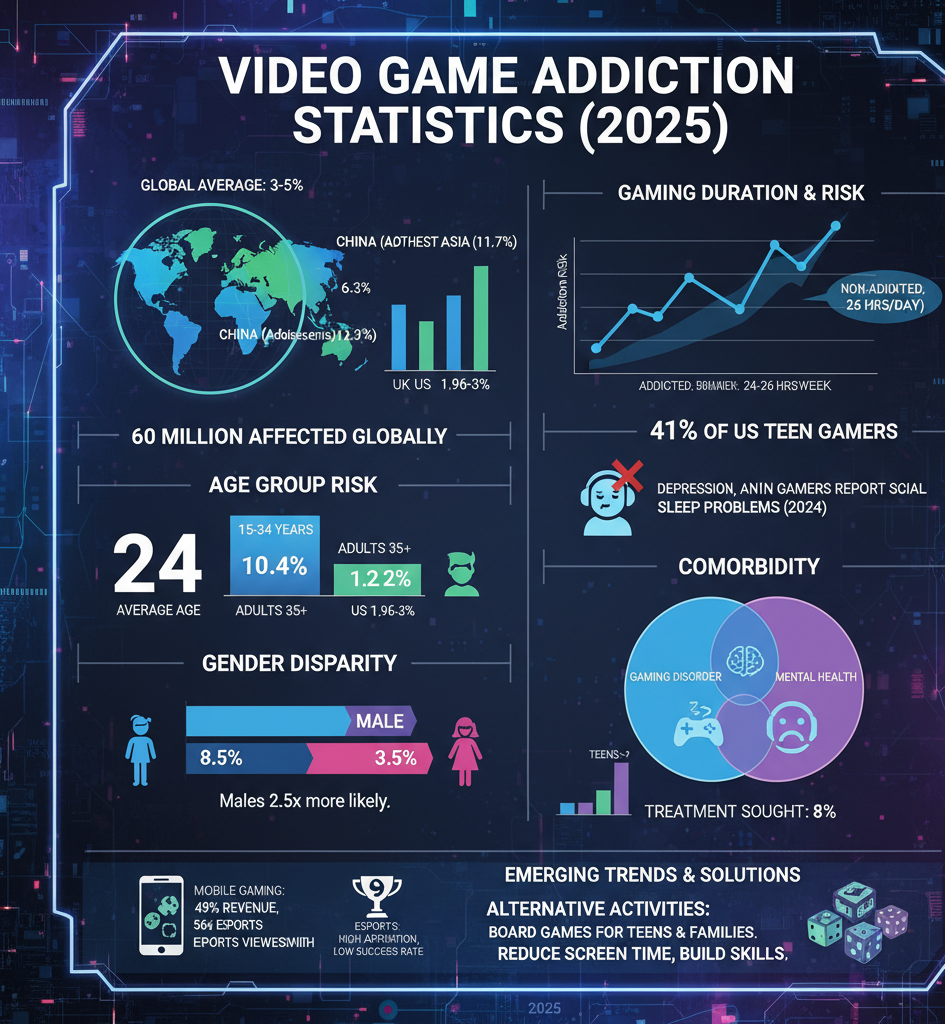

Gaming Statistics 2025 Mobile PC Console Trends Video Game Addiction Statistics 2025 . Rocket League Lawsuit For Video Game Addiction June 2026 Update What Is Internet Gaming. Microsoft Lawsuit For Video Game Addiction 2026 Update How Video Game Companies Foster Addiction Mental Disorders And Physical Health Issues 1536x864 . About Video Game Disorder What It Is And How To Spot It Gaming Disorder Diagnosis. Epic Games Lawsuit For Video Game Addiction 2026 Update King Law Video Game Addiction Lawsuit Gaming

ICD 11 Gaming Disorder PDF Mental Disorder Psychology 1. About Video Game Disorder What It Is And How To Spot It Signs Of Video Game. Gaming Disorder Now A Recognized Illness According To World Health 1 . Gaming World Health Disorder The World Health Definition Of Gaming Disorder From The WHO 2018 . WHO Wants To Add Gaming Disorder To The List Of Diseases Is The Diagnosis A Gamer Who Wants To Add Gaming Disorder To The List Of Diseases


How To Beat Video Game Addiction Psychology Behind The Screen Of Video Gamers Round The World 2048x1158 . What Is A Gaming Disorder Mental Health Hotline Mhh What Is A Gaming Disorder 1024x536 . WHO Gaming Disorder Is A Real Illness CNN Who Gaming Disorder Is A Real Illness 00004904 . Five Things To Know About Gaming Disorder Bench Press Gaming Disorder Things To Look Out For 1 . Misogyny And Youth Harm Risks In Online Gaming Resolver Its Just A Game Blog 3 1024x622
Gaming Disorder Latest Research And Treatment Approaches Gaming Disorder Risk Factors 600x343 . Frontiers Assessment Of Hazardous Gaming In Children And Its Fpsyt 14 1226799 G001 . Gaming Disorder Causes Symptoms Effects And Treatment 1707491970. Gaming Disorder Video Game Addiction Recognizing And Addressing It Gaming Disorder Video Game Addiction Recognizing And Addressing It . What Is New Gaming Disorder Full Details For 2024 19107EBC35D Blog CoverImage 300 200

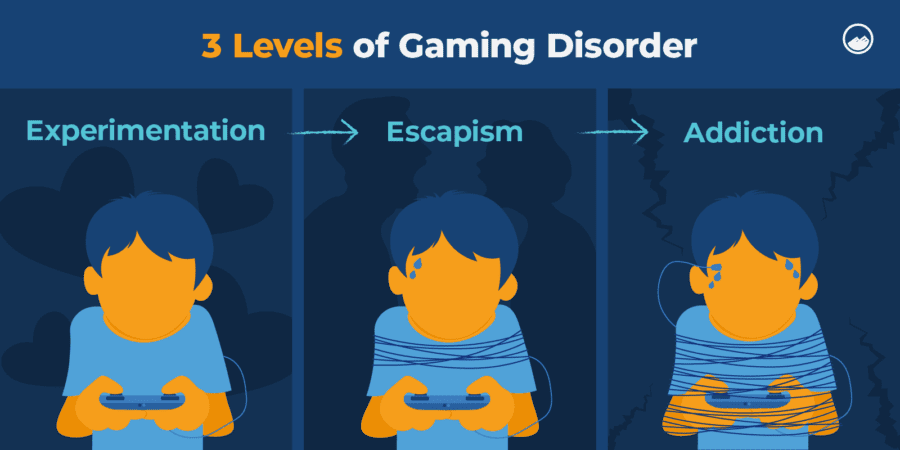


Gaming Disorder What Are The Facts 18b177 . Video Game Addiction 11 Signs Symptoms And Treatments Video Game Addiciton Graphics 04 The Three Levels Of Gaming Disorder 900x450 . Gaming Disorder Recognized As A Proper Disease By The World Health Gaming Addiction 940x627 . 45 Video Game Addiction Statistics 2026 How Many People Are Addicted More Than 105 Million Gamers Worldwide Are Addicted To Gaming 1 . Gaming Disorder In Adolescents Signs Causes Treatment Gaming Disorder In Adolescents Warning Signs And Evidence Based 750x469


Identifying And Treating Gaming Addiction In Adults ICANotes 01 Gaming Disorder In Adults How It Manifests And Why Its Often Overlooked . Gaming Disorder Definition Causes And Associated Impacts Gaming Disorder . WHO Decision To Classify Gaming Addiction As Mental Health Disease . Gaming Disorder What Researchers Say Untamed Science Gaming Disorder 300x169 . Frontiers Young And Adult Patients With Gaming Disorder Psychiatric Fpsyt 15 1423785 G001