Unlocking the creative potential within Roblox often requires understanding the platform's core mechanics, and knowing how to get image ID Roblox assets is fundamental for any aspiring game developer or customization enthusiast. This comprehensive guide delves into the essential steps for finding and utilizing image IDs, a crucial skill for customizing your in-game experiences, building unique environments, or personalizing your avatar's look. Many US gamers, balancing demanding jobs and family life, seek efficient ways to enhance their Roblox gameplay without extensive troubleshooting. We explore methods that save time and ensure a smooth creative process, addressing common pain points like asset discovery and proper implementation. Whether you are adding custom textures to your builds, designing unique UI elements, or simply updating your character's appearance, mastering how to get image ID Roblox resources streamlines your workflow. This article is designed to be a quick yet thorough reference, ensuring you spend less time searching and more time creating, making your Roblox journey more enjoyable and productive. Stay ahead of the curve with these practical tips, designed for busy gamers who value both efficiency and creativity.
Q: How do I get an Image ID for a texture I want to use in my Roblox game?
A: To get an Image ID for a texture, you first need to upload your image to Roblox. Go to the Roblox Create page, navigate to the "Decals" section, and upload your image file. Once approved by moderation, click on your uploaded decal. The unique numerical ID will be visible in the URL of its asset page, typically after "asset/?id=". This ID is what you'll use in Roblox Studio's "TextureId" property for parts or "Image" property for UI elements.
Q: What's the quickest way to find a specific Image ID if I only have the image file on my computer?
A: The quickest way to find the Image ID for a file already on your computer is to upload it directly to Roblox via the "Create" section's "Decals" page. After a successful upload and moderation, Roblox assigns a unique ID. You'll find this ID in the URL of the decal's asset page, right after the "id=" parameter. It's the most direct path from your local file to a usable Roblox Image ID.
Q: Why is my Roblox Image ID not working in Studio and showing a blank texture?
A: If your Image ID isn't working and shows a blank texture, first check the Roblox Studio Output window for error messages – it often indicates "Failed to load asset" or similar. Second, verify the ID is correct and hasn't been mistyped. Third, ensure the image isn't pending moderation or has been rejected/deleted by Roblox for violating community guidelines. Lastly, make sure the asset is publicly accessible if it's not your own upload.
Q: Can I extract the Image ID from a decal already applied to a model in a Roblox game?
A: Yes, you can usually extract the Image ID from a decal applied to a model within a game, especially if you have access to the game in Roblox Studio. In Studio, select the part with the decal, then look in the "Properties" window. The Image ID will typically be listed under the "Decal" object's "Texture" or "Image" property. Copying this numerical value gives you the Image ID.
Q: How often do Roblox Image IDs change, and do I need to worry about them breaking?
A: Roblox Image IDs, once assigned, are permanent for that specific asset. They do not change. However, you do need to worry about them breaking if the original asset is deleted by its creator, removed by Roblox moderation for content violations, or if the asset's privacy settings are changed. It's rare for an active, approved asset's ID to stop working unless one of these events occurs.
Q: What's the process for reusing an Image ID across multiple parts or games in Roblox Studio?
A: The beauty of Roblox Image IDs is that they are universal. Once you have an Image ID, you can reuse it across as many parts or different games in Roblox Studio as you like, provided the asset remains active and public. Simply copy and paste the same numerical ID into the "TextureId" or "Image" property of any object where you want to apply that specific visual asset. This efficiency is a core benefit for creators.
Q: Are there any ways to get Image IDs without uploading my own images, like from a public library?
A: Absolutely! You can find a vast array of Image IDs without uploading your own by utilizing Roblox's public library. Both the Roblox Creator Marketplace (accessible via the website) and the "Toolbox" within Roblox Studio offer extensive collections of decals and images uploaded by other creators, many of which are free to use. Just browse these sections, find an image you like, and its ID will be readily available on its asset page or in the Studio properties.
Ever found yourself staring at a blank canvas in Roblox Studio, brimming with ideas for custom textures, decals, or UI elements, only to hit a wall trying to figure out how to bring them to life? You're not alone. For many US gamers, particularly those balancing careers, families, and a love for gaming, maximizing creative time on platforms like Roblox is key. We all want to build amazing experiences or customize our avatars without getting bogged down in technicalities. The good news is that mastering how to get image ID Roblox assets is simpler than you might think, and it’s a foundational skill that unlocks a world of creative possibilities. This guide is crafted specifically for you – the busy gamer who values efficiency, wants to avoid setup hassles, and seeks clear, actionable steps to enhance their Roblox journey. Whether you're a seasoned developer or just starting to experiment with custom assets, understanding image IDs will save you countless hours and empower you to truly personalize your creations. Dive in, and let's demystify the process, ensuring your next Roblox project is as vibrant and unique as your imagination.
How Do I Find an Image ID on Roblox?
Finding an image ID on Roblox is a straightforward process, crucial for anyone looking to incorporate custom visuals into their games or items. Most image IDs are associated with assets uploaded to the Roblox platform. The primary method involves navigating the Roblox website's asset pages. When you upload a decal, texture, or even a simple image to Roblox, the system assigns a unique numerical identifier to it. This ID is then used in Roblox Studio to reference that specific image. For instance, many adult gamers, who dedicate around 10 hours a week to gaming, appreciate efficient solutions to such tasks, allowing them more time for actual gameplay or social interactions within their favorite Roblox experiences. Knowing this process helps streamline asset integration, avoiding common performance issues associated with incorrect asset referencing.
What is a Roblox Image ID and Why Do I Need It?
A Roblox Image ID is a unique numerical identifier assigned to every image asset uploaded to the Roblox platform. Think of it as a digital fingerprint for your decals, textures, and other visual elements. You absolutely need these IDs if you plan to use custom images within your Roblox Studio creations. For example, if you're building a detailed house and want to apply a specific wood grain texture to its walls, you'll need the Image ID for that texture. Similarly, custom UI buttons, signs, or clothing designs all rely on these IDs. Without them, Roblox Studio wouldn't know which specific image to display. For the 87% of US gamers who regularly engage with platforms like Roblox, understanding these core components empowers them to move beyond pre-made assets and truly personalize their experiences, fostering a sense of ownership and creativity.
Can I Get Image IDs from Other Creators' Assets on Roblox?
Yes, you can often get image IDs from other creators' assets, provided those assets are publicly available or are part of a game you have access to within Roblox Studio. This is a common practice for learning and remixing, though it's essential to respect intellectual property. The easiest way to find these IDs is by looking at the URL of the asset page on the Roblox website. For instance, if you see a cool decal in a game, you might be able to find its asset page. Many developers often make their decals and textures public for others to use, fostering a collaborative environment. However, always ensure you have the appropriate permissions or that the asset is explicitly marked for public use to avoid copyright issues. This collaborative aspect is a major draw for social gaming trends, allowing players to build upon and be inspired by each other's creations.
How to Upload an Image to Roblox to Get its ID?
Uploading an image to Roblox to obtain its ID is a straightforward process, acting as your gateway to custom textures and decals. Here's a step-by-step guide:
- Go to the Roblox Create Page: Open your web browser and navigate to create.roblox.com/creations/experiences.
- Select Decals: In the left-hand menu, under "Creations," find and click on "Decals."
- Choose Your Image: Click the "Choose File" button. A file explorer window will open. Select the image file you wish to upload from your computer. Ensure the image adheres to Roblox's guidelines (e.g., appropriate content, supported file types like .png, .jpg, .gif, and reasonable file size).
- Name Your Decal: Give your decal a descriptive name. This helps you identify it later.
- Upload: Click the green "Upload" button.
- Wait for Moderation: Roblox moderates all uploaded content. This usually takes a few minutes, but can sometimes take longer. Once approved, your decal will appear in your "Decals" list.
- Get the ID: Click on your newly uploaded decal's name or thumbnail in the "Decals" list. This will take you to its asset page. The Image ID is prominently displayed in the URL. It's the series of numbers right after "catalog/" or "asset/". For example, in "roblox.com/asset/?id=123456789", "123456789" is your Image ID.
What Are the Best Practices for Using Roblox Image IDs in Studio?
Using Roblox Image IDs effectively in Studio involves several best practices to ensure optimal performance and maintainability. Firstly, always test your images on different devices, especially given mobile gaming's dominance, to ensure they scale and render correctly. Secondly, use meaningful names for your uploaded decals to make them easy to find later. When applying textures, understand the difference between a decal (a flat image on one surface) and a texture (repeated across a surface). For textures, use seamlessly tileable images to avoid visible seams. Regularly audit your project for unused assets to keep it lean, as bloated projects can lead to performance issues, a common pain point for gamers seeking smooth gameplay. Lastly, consider grouping related assets into folders within Studio for better organization. These practices help manage your creations efficiently, a valuable trait for busy adult gamers who need their creative time to be productive.
Are There Any Limitations or Common Issues When Getting Image IDs?
Yes, there are a few limitations and common issues you might encounter when working with Roblox Image IDs.
- Moderation Delays: Newly uploaded images must pass Roblox's moderation. This can sometimes take time, meaning your image won't be immediately available for use, which can be frustrating when you're in a creative flow.
- Content Guidelines: Images must comply with Roblox's Community Standards. Violations will result in rejection and potentially account warnings. This is crucial for maintaining a safe platform.
- File Format & Size: Ensure your images are in supported formats (JPG, PNG, GIF) and within the allowed file size limits.
- Expired/Deleted Assets: An Image ID might stop working if the original asset is deleted by its creator or removed by Roblox moderation.
- Privacy Settings: Some images might be set to private by their creators, preventing you from accessing their IDs or using them directly.
How Do Image IDs Contribute to Roblox Game Performance?
Image IDs significantly contribute to Roblox game performance, both positively and negatively, depending on how they are managed. On the positive side, Roblox efficiently caches assets, meaning once an image associated with an ID is loaded, subsequent uses are faster. This is crucial for seamless gameplay, especially in large games. However, poor asset management can lead to performance problems.
- High-Resolution Images: Using excessively high-resolution images when lower resolutions would suffice can bloat your game's memory footprint and increase load times, particularly on mobile devices.
- Too Many Unique Assets: Having an abundance of unique, unoptimized image assets can also slow down loading and rendering.
- Inefficient UV Mapping: When applying textures, inefficient UV mapping can cause visual glitches or force the engine to work harder.
Can I Use Image IDs for Animated Textures or GIFs?
While Roblox does support animated visuals, using a direct "Image ID" in the same way you would for a static texture is a bit different for animations. For animated textures or GIFs, you typically upload them as "Video Frames" or "Spritesheets" which are then processed differently within Roblox Studio. A standard Image ID usually points to a single, static image file. However, you can achieve animated effects by uploading a spritesheet (multiple frames of animation compiled into one image) and then scripting the display of individual frames over time using a "Texture" object and adjusting its "Offset" and "Scale" properties. This requires a bit more scripting knowledge than simply applying a static image ID. It's a fantastic way to add dynamic elements to your game, appealing to creators looking to build more immersive and engaging experiences, a growing trend in the Roblox community.
How to Debug Issues with Missing or Broken Image IDs in Roblox Studio?
Debugging issues with missing or broken Image IDs in Roblox Studio is a common troubleshooting task. Here's how a seasoned gamer would approach it:
- Check the Output Window: Roblox Studio's Output window is your best friend. It will often display warnings or errors if an asset fails to load, sometimes even indicating "Failed to load asset" followed by the problematic ID.
- Verify the ID: Double-check that the Image ID you've entered is correct. A single misplaced digit can cause the asset to fail.
- Check Asset Status Online: Go to the Roblox website and try to navigate to the asset page using the problematic ID (e.g., roblox.com/asset/?id=YOUR_ID_HERE). If the page doesn't load or shows a "Not Found" error, the asset might be private, deleted, or under moderation.
- Ensure Proper Asset Type: Confirm you're using the Image ID in the correct property (e.g., a "TextureId" property for a Part, or an "Image" property for a UI element).
- Re-upload if Necessary: If the asset is yours and you suspect it was moderated or corrupted, try re-uploading the image to get a new ID.
- Clear Roblox Cache: Sometimes, local caching issues can occur. Clearing your Roblox cache (found in your AppData folder on Windows) can resolve persistent loading problems, similar to how you'd clear game caches for performance optimization.
Where Can I Find Free Roblox Image IDs for Common Textures?
Finding free Roblox Image IDs for common textures is a great way to kickstart your building projects without creating every asset from scratch. Roblox provides a vast library of public assets that creators often make available. Here's where to look:
- Roblox Creator Marketplace: This is your primary hub. On the Roblox website (create.roblox.com), navigate to the "Marketplace" section. You can filter by "Images," "Decals," or "Meshes" and often find a plethora of free-to-use textures like grass, brick, wood, and more.
- Roblox Studio Toolbox: Within Roblox Studio, open the "Toolbox" tab. Switch from "Models" to "Images" or "Decals." Here, you'll find a massive collection of user-uploaded images, many of which are generic textures. Just be sure to filter by "Free" if that option is available or check the asset details for usage rights.
- Community Resources: Many Roblox developer communities on platforms like Discord or forums share collections of useful Image IDs. While these are excellent resources, always verify the IDs on the Roblox website before incorporating them into your projects to ensure they are still active and appropriate.
Mastering how to get image ID Roblox assets is a fundamental skill that significantly enhances your ability to create, customize, and innovate within the Roblox platform. We've covered everything from finding and uploading images to debugging common issues and leveraging community resources. For busy US gamers who seek both creative outlets and efficient solutions, understanding these mechanics means more time building and less time troubleshooting. The ability to personalize your games, avatars, and experiences with unique visuals is a powerful tool, reflecting your individual style and vision. Keep experimenting, keep creating, and remember that every image ID you discover or create brings you one step closer to realizing your imaginative Roblox worlds.
What's your biggest Roblox creation challenge right now? Comment below!
How do I make my Roblox image public?
When you upload an image (decal) through the Roblox Create page, it is typically public by default after passing moderation. However, if you're referring to an asset within a game, ensure the game itself is public and that any specific settings on the image within Roblox Studio allow it to be seen. You can check the asset's page on the Roblox website to confirm its public status.
Can I use copyrighted images for IDs in Roblox?
No, you should not use copyrighted images without permission. Roblox has strict community guidelines regarding intellectual property. Uploading copyrighted material without authorization can lead to your asset being removed, account warnings, or even termination. Always use images you own, have created, or have explicit permission to use, or source them from royalty-free libraries.
What's the difference between a Decal ID and an Image ID?
On Roblox, "Decal ID" and "Image ID" are often used interchangeably, but technically, a Decal is a specific type of image asset designed to be placed flat on a surface, usually created when you upload an image through the "Decals" section. The ID you get from this upload is its Image ID. So, while all Decal IDs are Image IDs, not all Image IDs necessarily refer to something uploaded specifically as a Decal (e.g., textures used internally might have IDs too).
How can I find image IDs from old Roblox games?
To find image IDs from old Roblox games, you can sometimes use the Roblox Studio "Explorer" window to inspect game assets if you have access to the game place file. For publicly available old assets, try searching the Roblox Creator Marketplace or specific fan wikis and archive sites. However, older assets might have been deleted or made private over time, making them harder to track down.
Is there a way to batch upload images and get IDs?
Currently, Roblox's standard web interface doesn't offer a direct batch upload feature for images to simultaneously get multiple IDs. You typically upload images one by one through the "Decals" section of the Create page. For large-scale development, experienced developers might use external tools or custom plugins that interact with the Roblox API, but this is beyond the standard user's workflow and requires advanced scripting knowledge.
Why is my uploaded image not showing up in Roblox Studio?
There are several reasons an uploaded image might not show up: It might still be undergoing moderation; the ID you're using could be incorrect; the image asset might have been rejected due to content violations; or there could be a local caching issue. Always check the asset's status on the Roblox website, verify the ID in Studio, and ensure Studio's Output window isn't reporting any errors.
Learn to efficiently locate Roblox image IDs for custom assets. Understand the process for uploading images and obtaining their unique IDs. Discover how image IDs are crucial for in-game customization and development. Find solutions to common issues when searching for image IDs. Streamline your Roblox creative workflow for custom textures and UI.
35
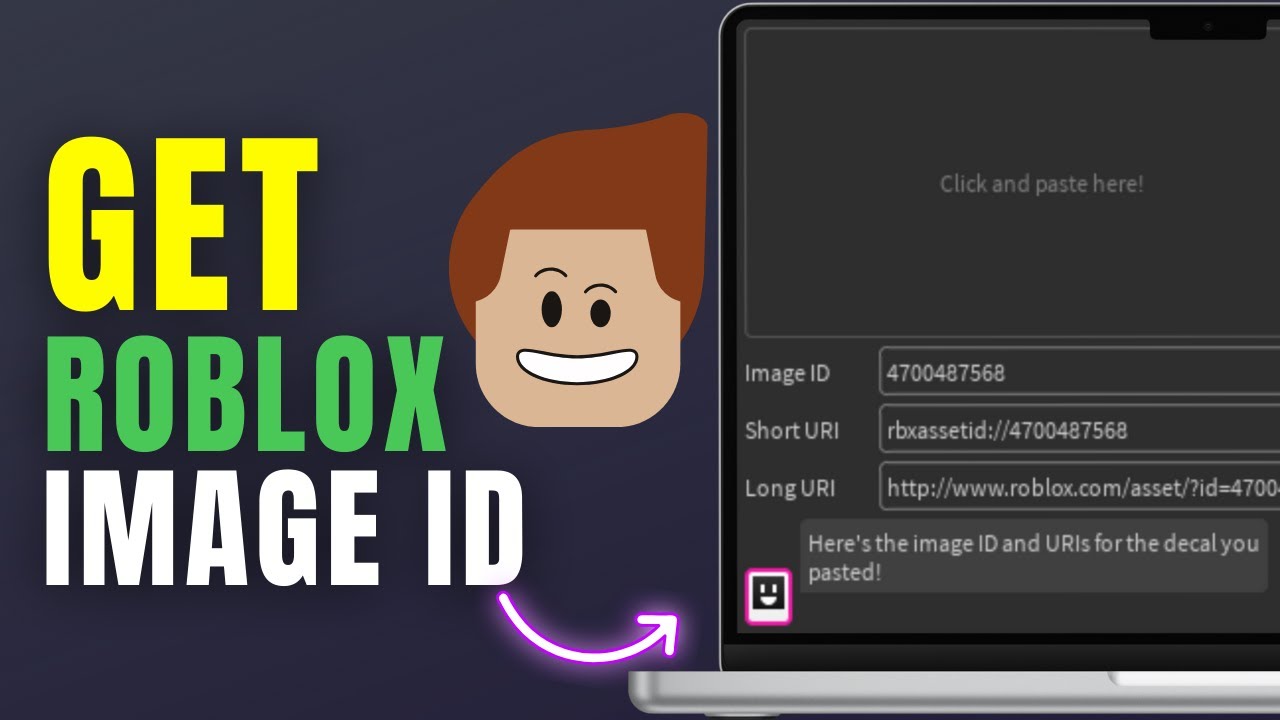


How To Get Image ID In Roblox Copy Decal ID 2026 Update YouTube . How To Get Image ID In Roblox Copy Decal ID YouTube . How To Get Image ID In Roblox Copy Decal ID Easily 2025 Update . How To Get Image ID For Roblox Roblox Copy Decal ID YouTube . How To Get A Roblox Image Id

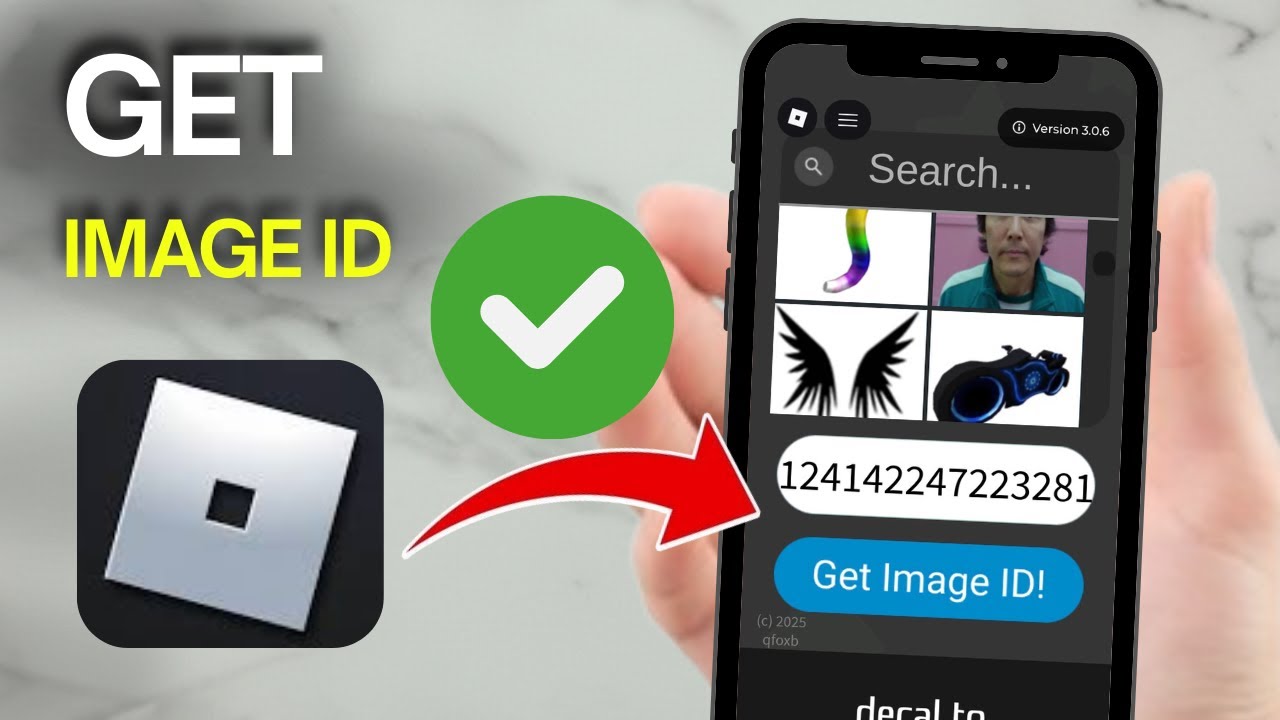


How To Get Image ID In Roblox YouTube . How To Get Image ID In Roblox Mobile Copy Decal ID IPhone Android . How To Get Image ID For Roblox Full Guide YouTube . How To Get Image ID In Roblox Step By Step YouTube . How To Get Image ID In Roblox Copy Decal ID YouTube



How To Get Image ID Or Copy Decal ID In Roblox Complete Guide YouTube . How To Get Image ID In Roblox Mobile Copy Decal ID YouTube . How To Get Decal ID Or Image ID In Roblox Mobile Fastest Guide YouTube . How To Get Image ID Roblox 2026 Step By Step Guide YouTube . How To Get Image Decal ID In Roblox Full Tutorial YouTube



How To Find Decal ID On Roblox Copy Image IDs YouTube . How To Get Image ID On Roblox Decal ID Full Guide 2025 YouTube . How To Get Image ID In Roblox Mobile And Copy Decal ID Roblox Image . How To Get A Roblox Image Id . How To Get Images ID On Roblox Quick And Easy Tutorial YouTube


How To Get A Roblox Image Id How To Find Your Roblox User Id In Minutes 4 1024x685 . Roblox Image ID Database 2026 Lawod Roblox Image ID Database 1536x864 . How To Get Texture ID In Roblox 2026 YouTube . How To Find User ID In Roblox Easily 2026 Guide Apps Roblox.PNG. How To Add People Roblox Easily Your 2026 Guide
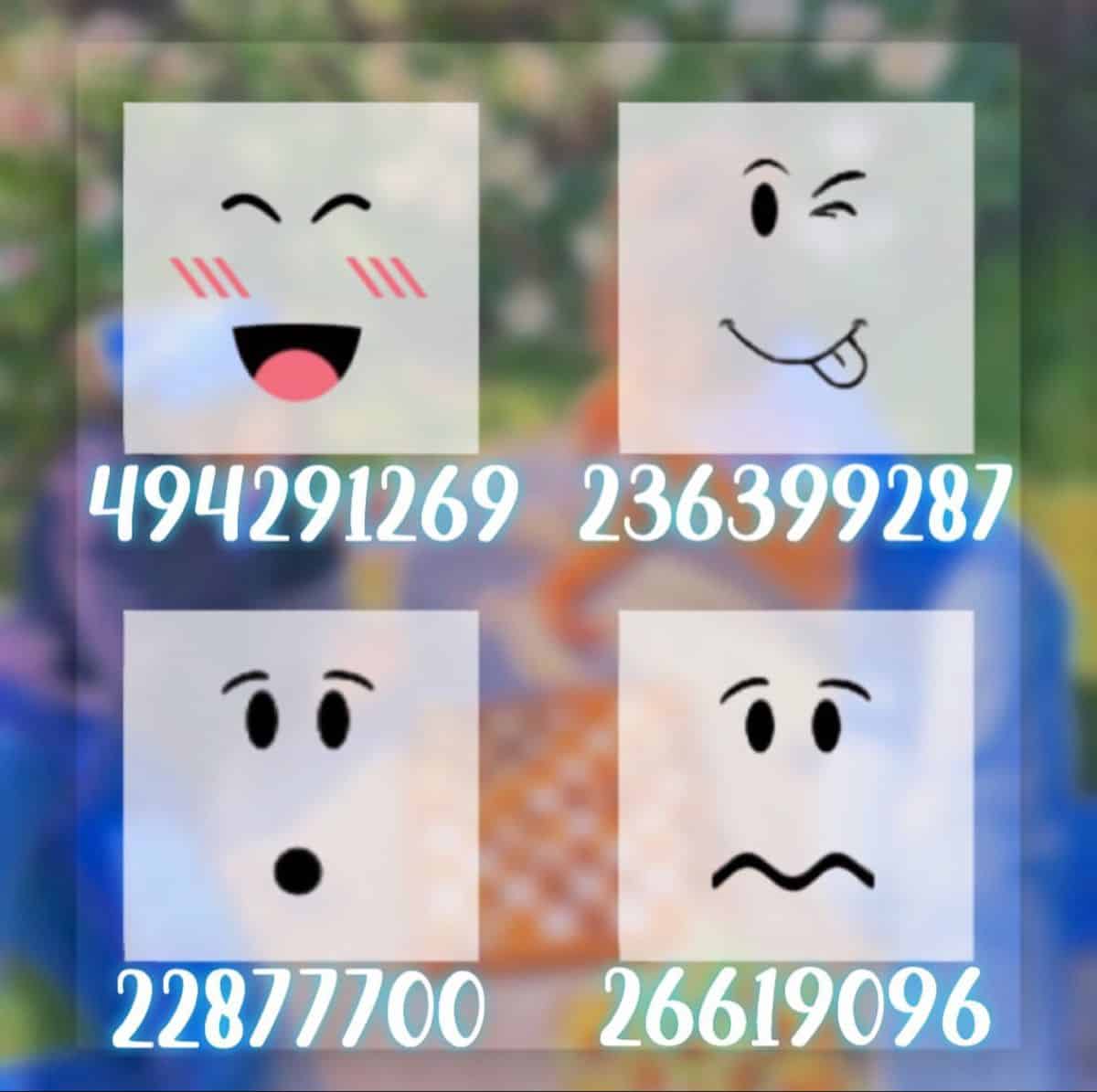

How To Get Trusted Connections In Roblox 2026 Full Tutorial Roblox Trusted. All Roblox Face Codes How To Get Face IDs For 2026 Popular Roblox Face Codes . 100 Roblox Music Code ID S 2026 WORKING AFTER UPDATE . Definitive Guide To Roblox 2026 TM 07169 Definitive Guide To Roblox 2026 . How To Verify Your Age And ID On Roblox In 2026 Guide Tech Nerdiness How To Verify Your Age And ID On Roblox 860x450


How To Get Image ID In Roblox Copy Decal ID 2024 YouTube . Roblox 2026 Logo REVEALED New Color New Look YouTube Maxres2 . How To Get Image ID In Roblox Copy Decal ID 2024 YouTube . How To Get Image Or Decal ID On Roblox Mobile YouTube . Roblox 2026 The Face ID Game Overhaul Explained TikTok Img