Are you a dedicated gamer balancing work, family, and life, often wondering, "why is gaming unhealthy"? You're not alone. Many US gamers, with an average age of 36, navigate the exciting but sometimes challenging landscape of digital entertainment. While gaming offers immense joy, relaxation, and social connection, concerns about its potential downsides are valid. This comprehensive guide cuts through the hype to provide practical, evidence-based answers to your most pressing questions about gaming's impact on physical and mental health. We'll explore common pitfalls like excessive screen time, sedentary habits, and the subtle signs of imbalance, offering actionable strategies to help you maintain a healthy relationship with your passion. Discover how to optimize your setup, manage your time effectively, and leverage gaming for positive social interaction, ensuring your playtime enriches your life without compromising your well-being. This resource is designed for the modern adult gamer seeking real solutions and informed advice.
What are the common misconceptions about why gaming is unhealthy?
Many people assume gaming is inherently detrimental, often focusing on extreme cases or outdated stereotypes. The reality for most US gamers, an average age of 36 who balance jobs and families, is far more nuanced. While excessive gaming can pose risks, moderate, mindful play offers numerous benefits, including stress relief, cognitive skill development, and social connection. The key isn't gaming itself, but how it's integrated into a balanced lifestyle.
How can excessive screen time from gaming negatively impact eye health and sleep patterns?
Prolonged screen exposure, common in gaming, can lead to digital eye strain, characterized by dry eyes, blurred vision, and headaches. The blue light emitted by screens also interferes with melatonin production, disrupting natural sleep cycles, especially when gaming late into the evening. This impacts overall rest quality, essential for physical and mental restoration.
Are there specific mental health conditions exacerbated by unhealthy gaming habits?
Yes, while gaming can be a coping mechanism, unhealthy habits can exacerbate underlying issues like anxiety, depression, and social phobia. For individuals already struggling, excessive gaming might lead to greater isolation, neglected responsibilities, and a worsened mood cycle, making it harder to engage with real-world solutions or social support.
What are the physical symptoms that signal you might be gaming unhealthily?
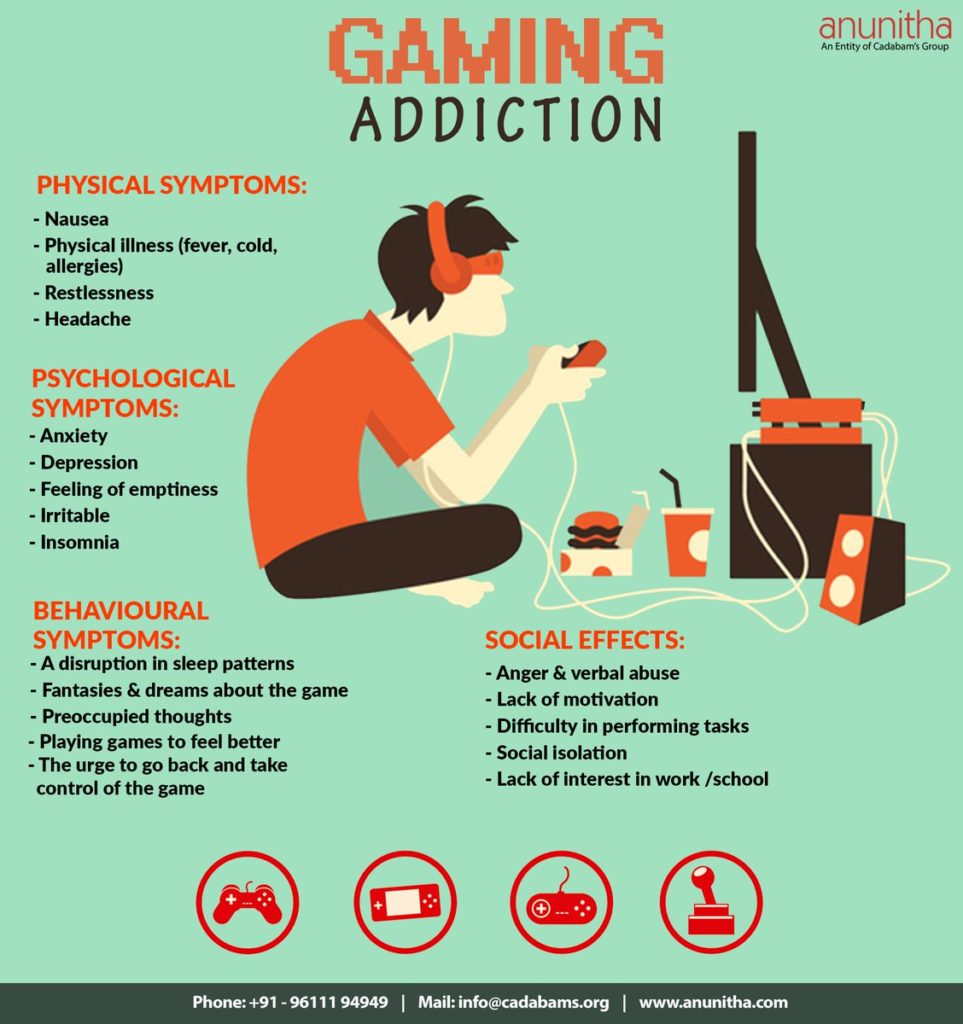
Look out for persistent neck and back pain, carpal tunnel syndrome, repetitive strain injuries, poor posture, and a sedentary lifestyle leading to weight gain. Neglecting personal hygiene, poor diet choices, and disrupted sleep patterns are also strong indicators that your gaming habits are negatively affecting your physical well-being and overall health.
How can I balance my passion for gaming with my work and family life effectively?
Effective balance involves setting clear boundaries and schedules. Treat gaming time like any other important appointment, scheduling it deliberately. Communicate your gaming schedule with family to avoid conflicts. Prioritize real-world responsibilities and use gaming as a reward or relaxation tool, not an escape from obligations. Many busy adult gamers find success by setting daily or weekly time limits.
Why is social isolation a concern when gaming, and how can I avoid it?
While many games offer robust social features and communities, some gamers can gravitate towards solitary play or substitute online interactions entirely for real-world ones, leading to isolation. To avoid this, actively seek out social games with friends, engage in voice chat on platforms like Discord, and critically, maintain and nurture your offline relationships. Gaming should complement, not replace, your in-person social life.
What practical steps can gamers take to prevent repetitive strain injuries and maintain better posture?
Invest in ergonomic equipment like a comfortable chair, adjustable desk, and supportive mouse/keyboard. Take frequent breaks (e.g., 5-10 minutes every hour) to stretch, walk around, and rest your eyes. Practice proper posture by keeping your feet flat, back supported, and monitor at eye level. Incorporate simple stretches for your wrists, hands, neck, and shoulders into your routine to prevent common gaming-related injuries.
Hey fellow gamers! Let's be real: we love our games. Whether it's unwinding after a long day, connecting with friends across states, or diving into a new immersive world, gaming offers an escape and a thrill unlike anything else. But in the quiet moments between quests, have you ever found yourself wondering, 'Why is gaming unhealthy for me, or could it be?' If so, you're tapping into a very common thought among adult gamers. The US gaming landscape is diverse, with a significant 87% of adults gaming regularly, often clocking in 10+ hours a week. For many of us, gaming isn't just a pastime; it's a social hub, a skill-building arena, and a vital stress reliever. But with jobs, families, and life's endless demands, finding that sweet spot where gaming enhances rather than detracts from our well-being can be a real challenge. This guide is for you – the busy adult gamer who wants to keep the fun without sacrificing health or happiness. We're going to dive deep into the 'unhealthy' aspects of gaming, not to demonize it, but to equip you with the knowledge and practical strategies to game smarter, healthier, and with complete peace of mind. Let's tackle those common pain points and make sure your gaming life is as optimized as your in-game build!
Is excessive gaming truly unhealthy?
Yes, while gaming in moderation offers numerous benefits, excessive gaming can indeed become unhealthy. The line between a fun hobby and an unhealthy habit often blurs when gaming starts to negatively impact other areas of life, such as sleep, physical activity, social interactions, work, or school responsibilities. For the average US gamer, who's about 36 years old and juggling significant life commitments, recognizing this imbalance is crucial. It's not about the game itself, but how it's integrated into your overall lifestyle. When gaming consistently takes precedence over essential self-care or responsibilities, that's when it crosses into potentially unhealthy territory, affecting both your physical and mental well-being.
What are the physical health risks associated with too much gaming?
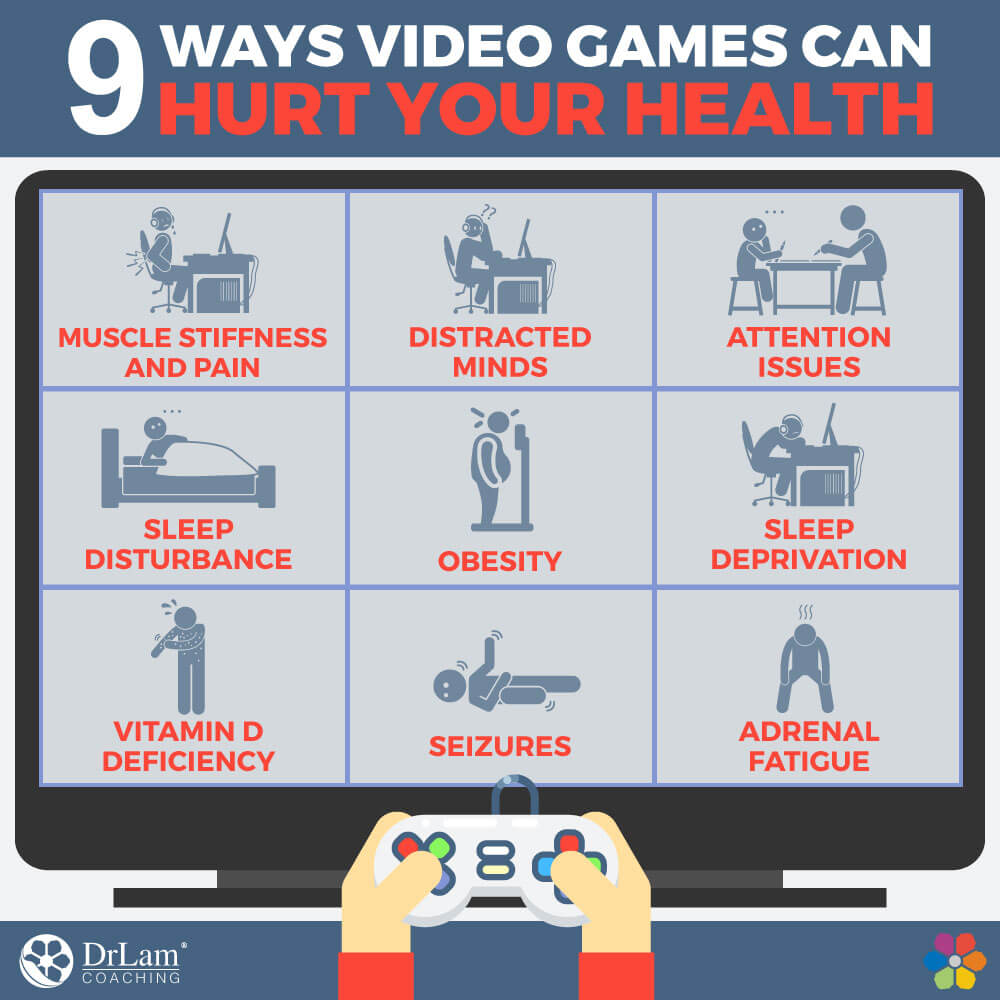
Prolonged gaming sessions often lead to a sedentary lifestyle, which is a major concern. This can contribute to weight gain, poor cardiovascular health, and an increased risk of type 2 diabetes. Furthermore, the ergonomics of gaming setups, if not optimized, can cause a range of musculoskeletal issues. We're talking about conditions like carpal tunnel syndrome, 'gamer's thumb,' neck and back pain from poor posture, and even repetitive strain injuries (RSIs) in wrists and hands. Eye strain, also known as computer vision syndrome, is another common complaint, leading to dry eyes, blurred vision, and headaches due to extended focus on screens. Recent studies suggest that many gamers neglect physical activity, even though a balanced routine is essential for long-term health, especially as we age.
How does gaming impact mental health and well-being?
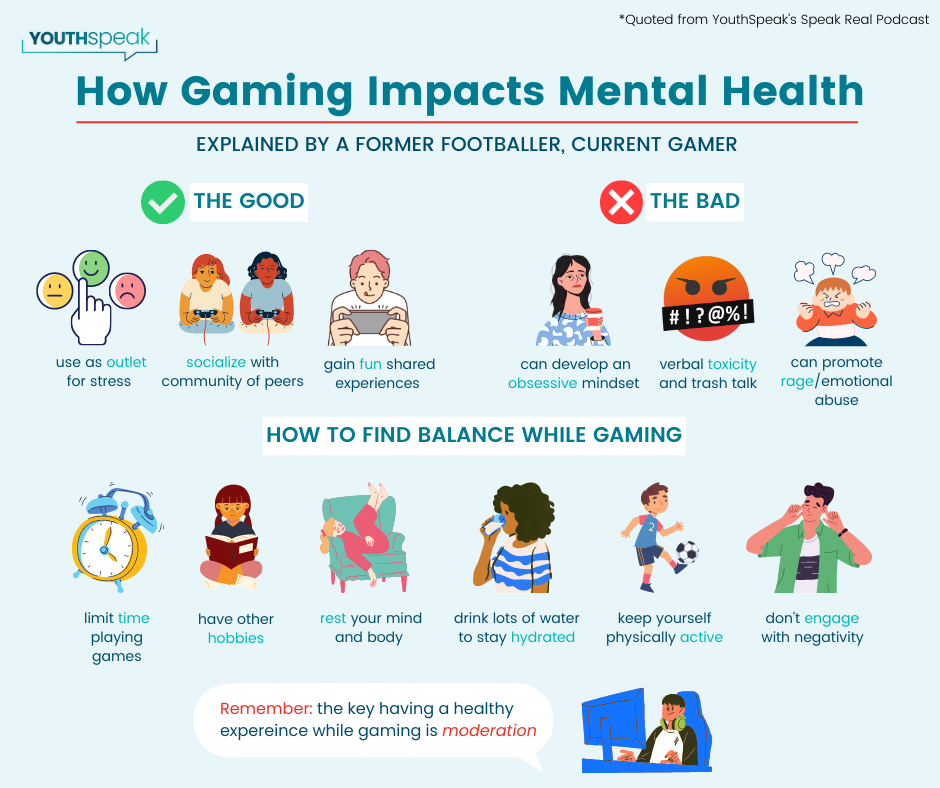
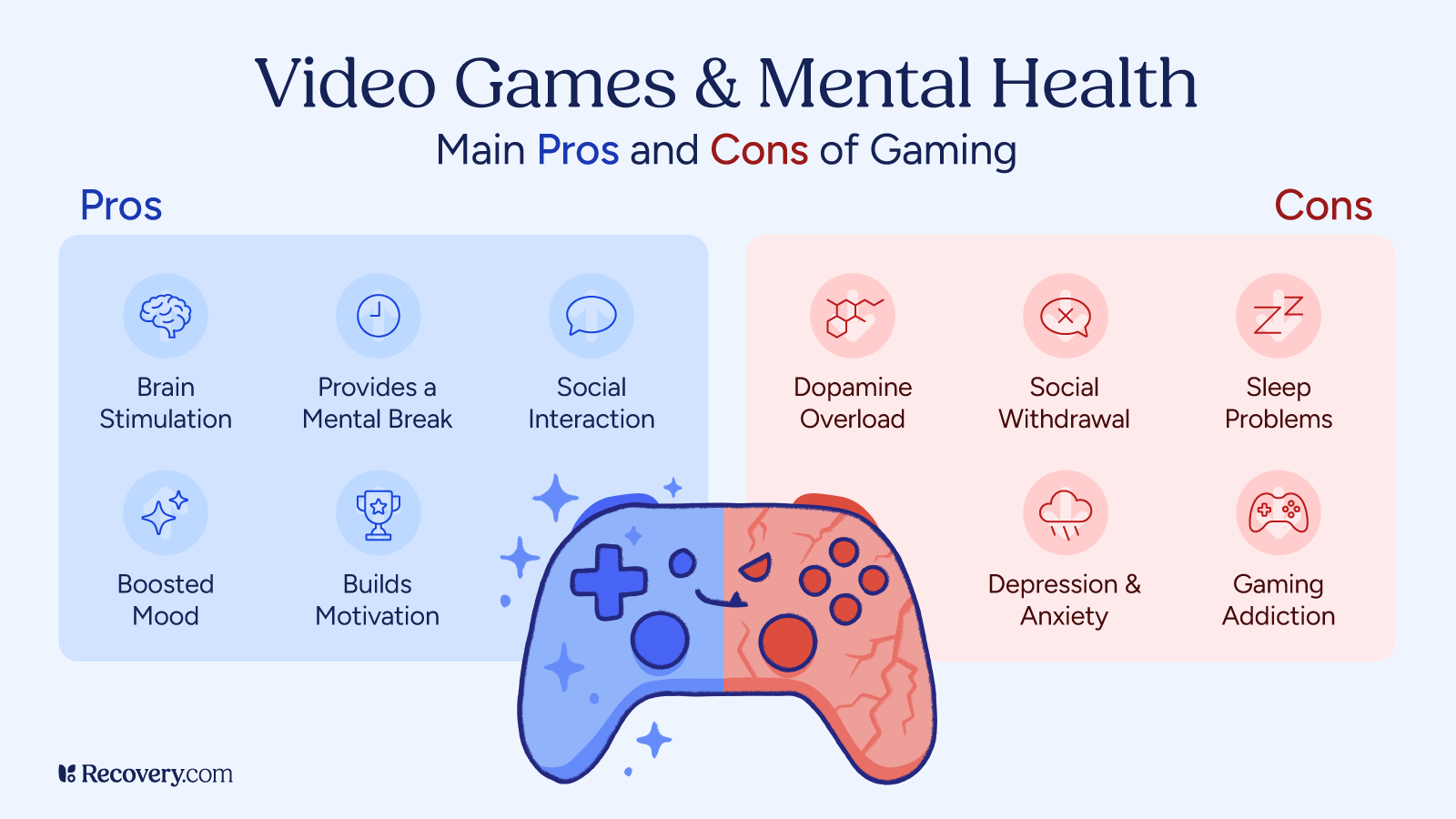
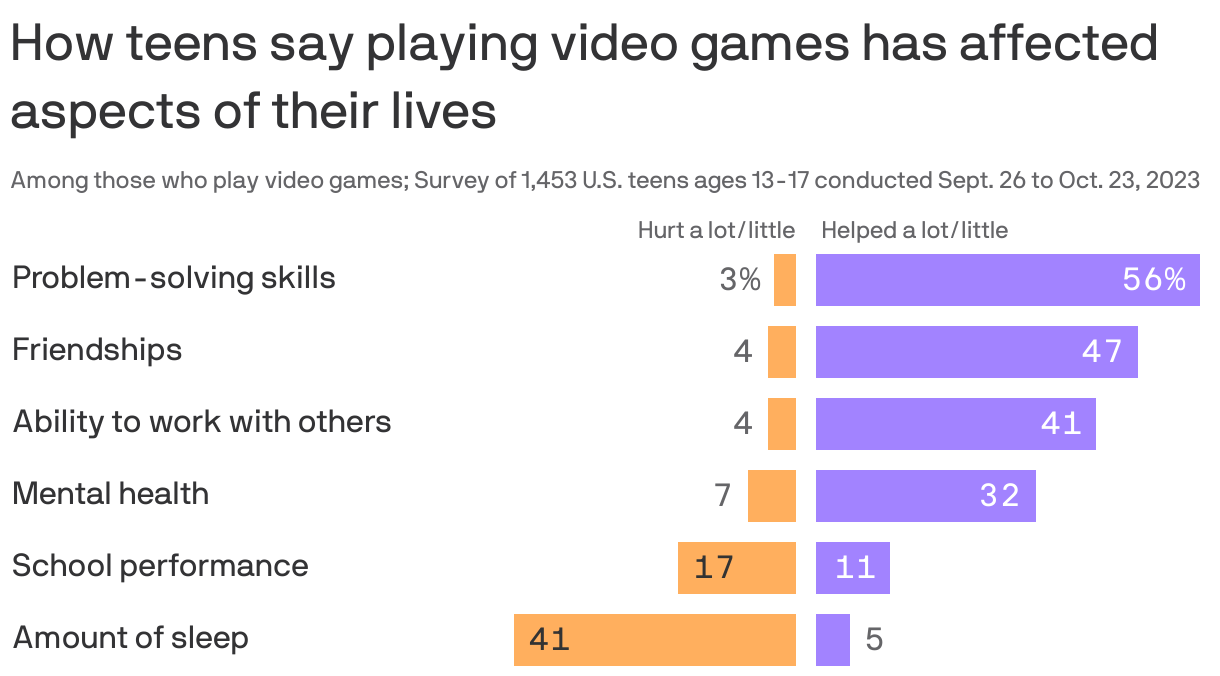
Gaming's effect on mental health is a double-edged sword. On one hand, it can be a fantastic stress reliever, a source of social connection (especially with the rise of social gaming trends and cross-play platforms like Discord), and a way to build cognitive skills like problem-solving and reaction time. Many Gen Z and Millennial gamers use it to unwind. However, when gaming becomes excessive, it can lead to increased anxiety, depression, and social isolation. Neglecting real-world relationships and responsibilities in favor of virtual ones can diminish self-esteem and create feelings of guilt or emptiness. It can also disrupt sleep patterns, as the blue light from screens can interfere with melatonin production, leading to fatigue and irritability, which further exacerbates mental health challenges.
Can gaming lead to addiction, and how do I recognize the signs?
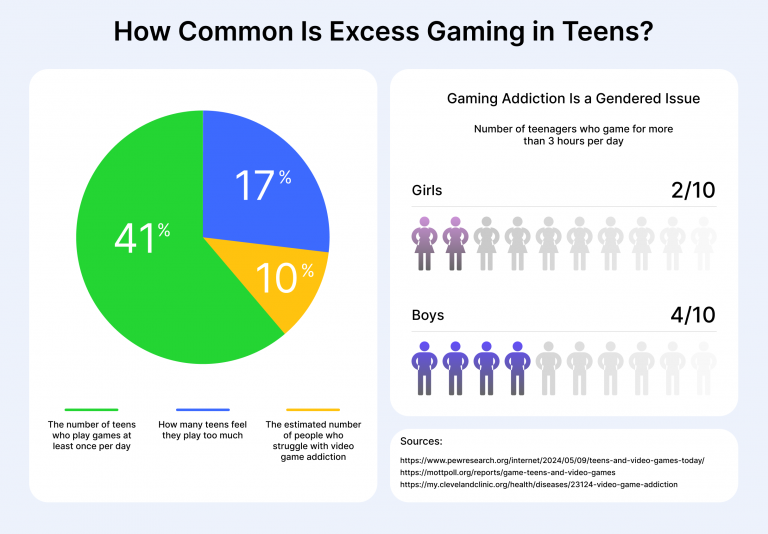
Yes, gaming can lead to what's formally recognized as Gaming Disorder by the World Health Organization. While it affects a relatively small percentage of gamers, it's a serious concern. Signs to look out for include: a preoccupation with gaming, withdrawal symptoms (irritability, anxiety, sadness) when unable to play, needing to spend increasing amounts of time gaming to feel satisfaction, loss of interest in other hobbies, continuing to game despite negative consequences, deceiving family or friends about gaming time, and using gaming to escape negative moods. For adults balancing work and family, these signs might manifest as neglecting deadlines, forgetting family commitments, or consistently choosing gaming over real-world interactions. If these behaviors persist for 12 months or more and cause significant distress or impairment, it’s time to consider seeking help.
Why is balancing gaming with real-world responsibilities so hard?
Balancing gaming with real-world responsibilities is challenging because games are designed to be engaging and rewarding, often leveraging psychological principles that can make them incredibly hard to put down. For many adult gamers, who already have packed schedules with work and family, gaming offers a much-needed escape or a sense of accomplishment that might feel missing elsewhere. This creates a strong pull. The instant gratification, social validation, and continuous progression in games can make mundane tasks or less exciting responsibilities seem less appealing. Additionally, the fluid nature of online gaming, where you can hop in and out with friends, can make setting firm time boundaries difficult, leading to late nights and neglected duties.
What are practical strategies for maintaining healthy gaming habits?
Maintaining healthy gaming habits starts with intentionality. First, **set clear time limits** and stick to them. Use timers or built-in console/PC features to manage your play sessions. Second, **schedule non-gaming activities** like exercise, family time, and household chores before you even think about logging on. Third, **prioritize sleep**; establish a consistent bedtime and power down screens at least an hour before. Fourth, **create an ergonomic setup** to prevent physical strain – invest in a good chair, adjust your monitor height, and take frequent micro-breaks to stretch. Lastly, **diversify your hobbies** to ensure gaming isn't your only source of entertainment or social interaction. Many budget-conscious gamers even look for free-to-play options or game passes to keep things fresh without overspending, fitting gaming into a broader, balanced budget.
How can I ensure my gaming remains a positive social outlet?
Gaming is a fantastic way to connect, especially with trends like mobile and PC/console cross-play making it easier than ever to link up. To keep it positive: **actively seek out social games** or guilds that promote teamwork and communication. Use voice chat platforms like Discord to deepen connections with your online friends beyond just in-game interactions. Crucially, **remember to balance online socializing with offline relationships**. Plan virtual game nights with real-life friends, or use gaming as a topic to bond with family members. Avoid substituting all real-world interactions for online ones; instead, let gaming complement your social life, building meaningful friendships both online and off. This month's data shows social/cozy games are trending for exactly this reason, emphasizing connection over pure competition.
Are there specific game genres or platforms that are more or less healthy?
The health impact of a game genre or platform largely depends on individual usage patterns and content. Competitive esports titles or highly addictive mobile games with aggressive monetization (like some free-to-play options) can be more prone to fostering unhealthy habits due to their intense, continuous engagement loops and potential for in-game purchases. Conversely, cozy games, narrative-driven single-player experiences, or games focused on creativity (like builders) can offer relaxed, stress-reducing experiences. Mobile gaming, while dominant, can also lead to more fragmented playtimes. Ultimately, no genre or platform is inherently 'unhealthy'; it's about self-awareness, setting boundaries, and ensuring the game aligns with your goals for relaxation, fun, or skill-building without dominating your life.
What role does screen time play, and how can I manage it effectively?
Screen time is a significant factor in why gaming can be unhealthy, impacting eye strain, sleep, and overall sedentary behavior. To manage it effectively, **be aware of your total daily screen exposure**, not just gaming. This includes work, phone, and TV. Implement the **20-20-20 rule**: every 20 minutes, look at something 20 feet away for 20 seconds to reduce eye strain. Use **blue light filters** on your devices, especially in the evening. Most importantly, establish a **'digital curfew'**: stop all screen use, including gaming, at least one hour before bedtime to allow your brain to wind down naturally. Prioritizing physical activity and face-to-face interactions helps to balance out the effects of extensive screen time, fostering better digital well-being.
How do I talk to family or friends about my gaming habits?
Open and honest communication is key. Start by explaining what gaming means to you – whether it's for relaxation, social connection, or skill-building. Address any concerns they might have about your habits directly, without getting defensive. Share the strategies you're implementing to maintain balance, such as your planned gaming schedule, exercise routine, and how you prioritize family time. Involve them in your gaming sometimes, or help them understand the specific game you're playing. For instance, explaining the strategic depth of a game or the social dynamics of your online community can help them see gaming as more than just 'wasting time.' Remember, mutual understanding is the goal, so be prepared to listen to their perspectives too.
When should I seek professional help for gaming-related issues?
Knowing when to seek professional help is a sign of strength, not weakness. If you find that gaming is consistently interfering with your daily life – impacting your job performance, relationships, academic responsibilities, or personal hygiene – and you're unable to control or reduce your gaming time despite wanting to, it's time to reach out. If you experience significant withdrawal symptoms when not gaming, or if gaming becomes your primary coping mechanism for all stress or negative emotions, a mental health professional can provide valuable guidance. Therapists specializing in behavioral addictions or digital well-being can help you develop healthier coping strategies and regain control over your gaming habits, ensuring it remains a source of joy rather than distress.
The journey to a balanced gaming life is ongoing, and it's unique for every player. What’s clear is that gaming itself isn't inherently unhealthy; it's how we integrate it into our lives. By being mindful of our habits, setting boundaries, prioritizing self-care, and communicating openly, we can harness the incredible benefits of gaming while minimizing its potential downsides. So go forth, game on, and keep leveling up in life and in your favorite virtual worlds, but always with an eye on your well-being. What’s your biggest gaming challenge when it comes to balancing life? Comment below!
FAQ Section
Is gaming ever truly healthy?
Yes, gaming can be very healthy! It offers stress relief, boosts cognitive skills like problem-solving and reaction time, and provides valuable social connections through online communities. Moderate, mindful gaming can enhance well-being and offer a creative outlet, especially when balanced with other life activities and responsibilities.
How much gaming is considered too much?
There's no universal number, but 'too much' typically means gaming time is consistently interfering with essential aspects of your life. This includes neglecting sleep, work, school, relationships, personal hygiene, or physical activity. For busy adults, it's about the negative impact on daily functioning, not just the hours logged.
Can a gaming addiction be cured?
Gaming addiction, or Gaming Disorder, can be effectively managed and treated, much like other behavioral addictions. With professional support, therapy, and a commitment to new coping strategies, individuals can regain control over their gaming habits and restore balance to their lives. 'Cured' implies it vanishes, but 'managed' highlights ongoing healthy choices.
What are some quick tips for better posture while gaming?
Elevate your monitor to eye level, sit with your feet flat on the floor and your back supported by your chair, and keep your keyboard and mouse close to avoid reaching. Take regular breaks (e.g., every hour) to stand, stretch, and move around. Simple adjustments can prevent significant long-term discomfort.
How can I find games that are less 'addictive'?
Look for single-player, narrative-driven games, cozy games focused on exploration or creativity, or titles with clear endpoints rather than endless progression loops. Avoid games with aggressive monetization strategies or highly competitive online modes if you struggle with over-engagement. Focus on games that offer relaxation or a sense of accomplishment without constant pressure.
Are mobile games more unhealthy than console/PC games?
Mobile games aren't inherently more unhealthy, but their accessibility and often 'free-to-play' models with microtransactions can make them prone to more fragmented, impulsive, and sometimes excessive play. Their design often encourages short, frequent sessions, which can lead to more overall screen time throughout the day compared to dedicated console or PC sessions.
What are the benefits of taking gaming breaks?
Breaks help prevent digital eye strain, reduce repetitive strain injuries, improve circulation, and give your mind a chance to reset. Stepping away, even for a few minutes, can actually enhance focus and performance when you return. It's crucial for both physical and mental well-being to integrate short, active breaks into your gaming sessions.
Understanding why gaming is unhealthy, recognizing signs of excessive play, managing screen time, improving physical posture, addressing mental health impacts, strategies for balancing gaming with life, fostering healthy social connections in gaming, identifying when to seek professional help.
35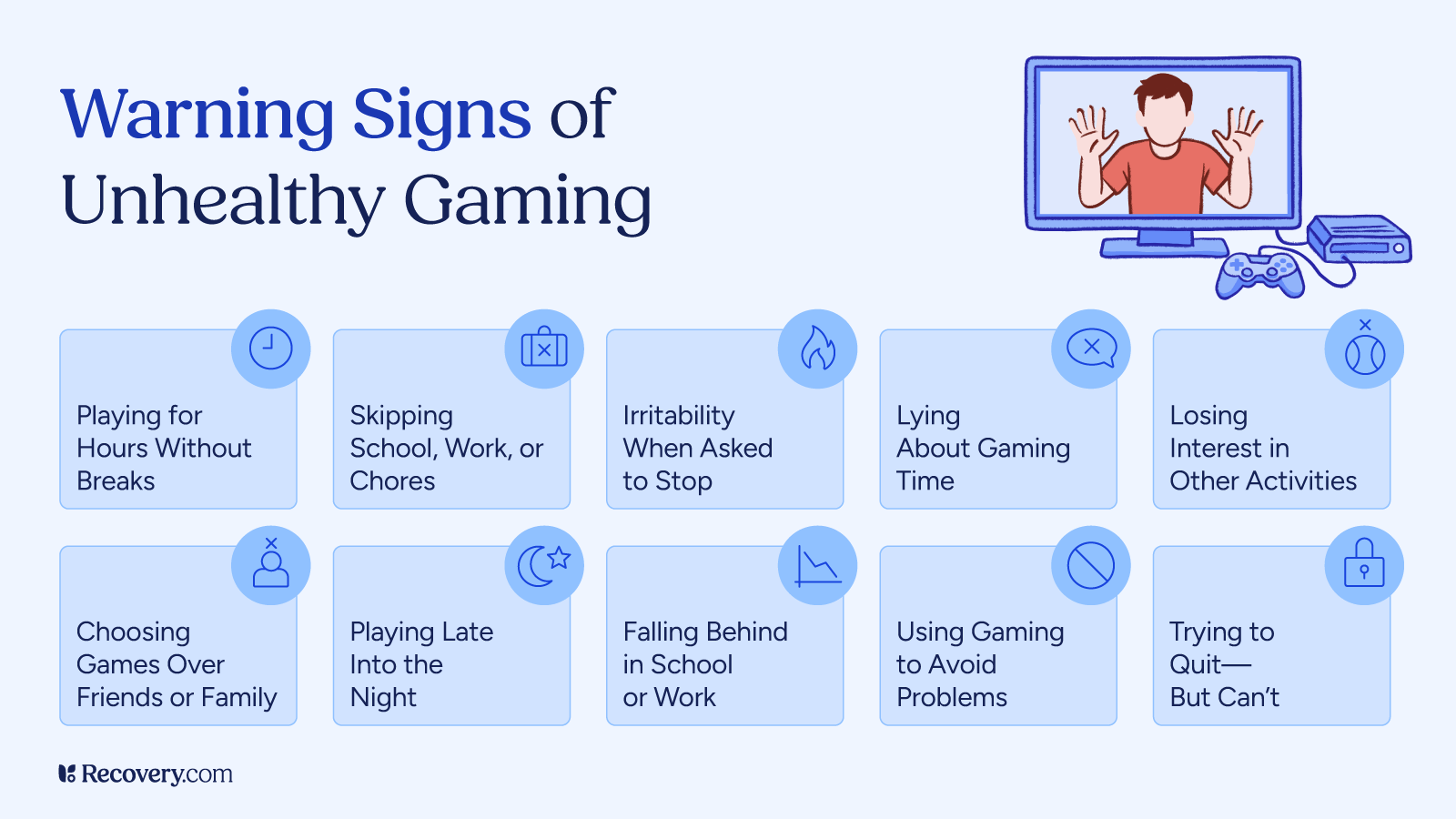

Video Games And Depression Gaming S Impact On Mental Health And Wellness Unhealthy Video Games Usage Warning Signs . 30 Video Game Addiction Statistics Sedona Sky Academy Video Game Addiction Infographic . Health Effects Of Too Much Gaming At Gerald Tapia Blog 963x1024 . Reasons Why Online Gaming Addiction Is Harmful Robots Net Why Online Gaming Is Addictive 1691156422 . The Toxic Meritocracy Of Video Games Why Gaming Culture Alienates And 5807b0cc E919 4cd0 9910 P

Gamings Effects On Mental Health How It Helps How It Harms And How Gaming And Mental Blog Post Image 2 . Video Games And Depression Gaming S Impact On Mental Health And Wellness Video Games Mental Health Pros Cons . Gaming Backlogs Are Unhealthy This Is Why YouTube . The Impact Of Online Gaming On The Mental Health Of Teenagers How Common Is Excess Gaming In Teens 768x534 . Nine Surprising Things Video Games Addiction Can Do To Your Health Infographic 9 Ways Video Games Can Hurt Your Health





Healthy And Unhealthy Approach To Gaming What Is The Difference Image6 1536x1026 . Why 2026 Is The WORST Year To Start Gaming YouTube . 20 Most Anticipated Video Games Of 2026 Page 10 1200x675 . Why I Quit Gaming In 2026 YouTube . Top Upcoming Games Of 2026 You Shouldn T Miss Gamersshub Top Games 2026 Gghub




10 Much Awaited Games Set To Launch In 2026 Games To Launch 2026 1536x967 . Negative Effects Of Video Games On Mental Health Unveiling The Truth . Top 10 Most Anticipated Games Of 2026 What To Watch Out For TVN GAMES IN 2026 . Why Game Reviews Matter 70 Gamers Choose Smarter In 2026 Image . Why Gaming Agent Programs Matter In 2026 The India Market Context Blog1




Sync Licensing 2026 Why Video Games VR Pay More Than TV Sync Licensing 2026 . Gaming Trends 2026 Guide To The Future Of Gaming Gaming Trends 2026 Guide To The Future Of Gaming . Video Games 2026 Ones To Watch Part 1 Quest Daily 2026 Games Pt 1 . 2026 Games Release Schedule Everything Coming Out This Year 2026 Most Anticipated Games . Most Anticipated Games Of 2026 Winztro Most Anticipated Games Of 2026




Video Games 2026 Ones To Watch Part 2 Quest Daily 2026 Games Pt 2 . 10 Best Gaming Phones In 2026 10 Best Gaming Phones 2026 Main . Why Does My Gaming Headset Sound Muffled 10 Fixes How To Fix A Slow Gaming PC . Why My Gaming Headset Sounds Bad And How To Fix It ChatGPT Image Jan 27 2026 12 38 40 PM . Why My Gaming Headset Sounds Bad And How To Fix It Budget Friendly Gaming Setup In 2026 1024x683


Why Gaming 2023 La Gu A De IAB Per Que Ayuda A Las Marcas A Llegar IAB PERU PRESENTA WHY GAMING 2023 1024x640 . Is Gaming Addictive What You Need To Know Video Game Addiction Definition Symptoms Causes Effects And Treatment 1024x576 . Your Gaming Habits May Be Ruining Your Mental Health Expert Explains Mn Gaming. Teen Gaming S Pros And Cons Full . 2026 In Gaming Releases What Are We This Year Blogs 2026 Gaming 2